Category: News

Timely coverage of major developments in travel, loyalty programs, airlines, hotels, and credit cards. News should answer what happened and why it matters.

  • Korean Air Gets Final Approval for Its Asiana Mileage Integration Plan

    Korean Air Gets Final Approval for Its Asiana Mileage Integration Plan

    Korean Air cleared one of the biggest remaining questions surrounding its merger with Asiana Airlines: what happens to all those Asiana Club miles.

    Korean Air acquired Asiana as part of a years-long consolidation of South Korea’s two largest airlines. The carriers are still operating separately for now, but Asiana will ultimately be folded into Korean Air, including its loyalty program.

    That mileage integration is scheduled for December 17, 2026. South Korea’s Fair Trade Commission has now given final approval to Korean Air’s plan, which lays out what happens to existing Asiana miles and elite status.

    Rather than immediately turning every Asiana mile into a Korean Air SKYPASS mile, members will have plenty of time to decide what to do with them.

    Asiana Miles Can Stay Separate for 10 Years

    When the programs integrate on December 17, existing Asiana miles will move into Korean Air accounts as a separate “Asiana Mileage” balance alongside any SKYPASS miles already there.

    Those miles can remain separate for up to 10 years, although their existing expiration dates won’t change. After the integration, new activity will earn SKYPASS miles instead.

    Keeping Asiana miles separate comes with an interesting benefit. They’ll become usable for economy and Prestige Class award tickets across all Korean Air-operated routes while continuing to follow Asiana’s existing redemption chart. That means the miles won’t be limited to destinations Asiana flies today.

    For example, a one-way Korean Air Prestige Class award between Korea and North America will cost 62,500 Asiana miles during off-peak dates. Economy on the same routes will start at 35,000 miles one way.
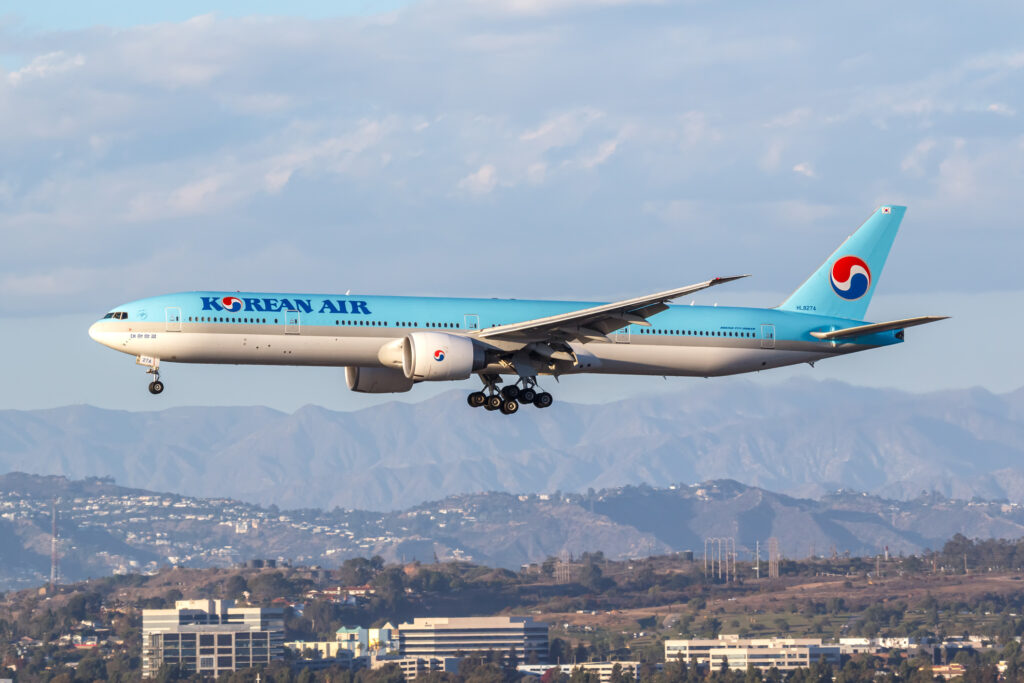
    Los Angeles, United States - November 2, 2022: Korean Air Boeing 777-300(ER) airplane at Los Angeles International Airport (LAX) in the United States.
    BOARDING1NOW / ISTOCK

    Asiana miles can also be used for economy-to-Prestige Class upgrades and Korean Air’s Cash and Miles option, which allows miles to cover up to 40% of an eligible fare.

    There are some limitations. Separately held Asiana miles won’t be usable for awards on SkyTeam or other partner airlines. And Asiana and SKYPASS miles can’t be combined to book the same award.

    To combine the two balances, the Asiana miles have to be converted to SKYPASS. Once that’s done, the decision can’t be reversed.

    Not All Asiana Miles Will Convert at the Same Rate

    The conversion rate depends on how the Asiana miles were earned.

    Miles earned from flying will convert 1:1. Miles earned through Asiana’s non-airline partners, such as credit cards, hotels, and other partners, will convert at a lower rate of 1:0.82.

    So, 10,000 Asiana miles earned from flights would become 10,000 SKYPASS miles. If those same 10,000 miles came from partners, they’d become 8,200 SKYPASS miles.

    There’s no need to make that decision right away. Asiana miles can be converted at any point during the 10-year period. Anything remaining at the end will automatically convert at the applicable rate.

    For partner-earned miles in particular, there’s a reason to think before converting. Keeping them as Asiana miles avoids the 18% reduction while still allowing them to be used for Korean Air flights under Asiana’s redemption chart.
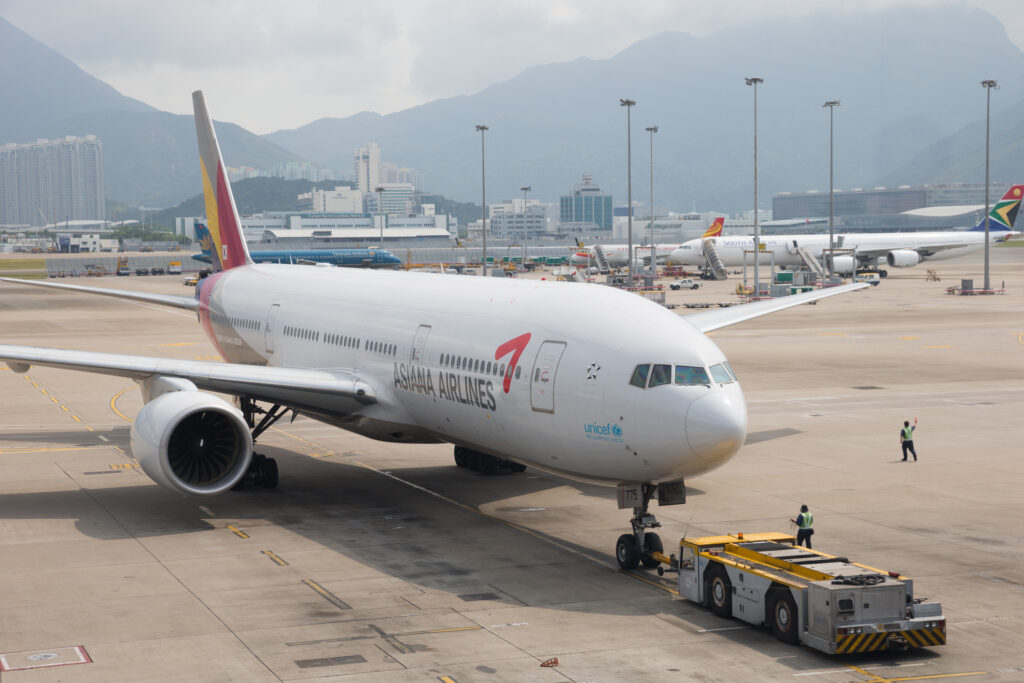
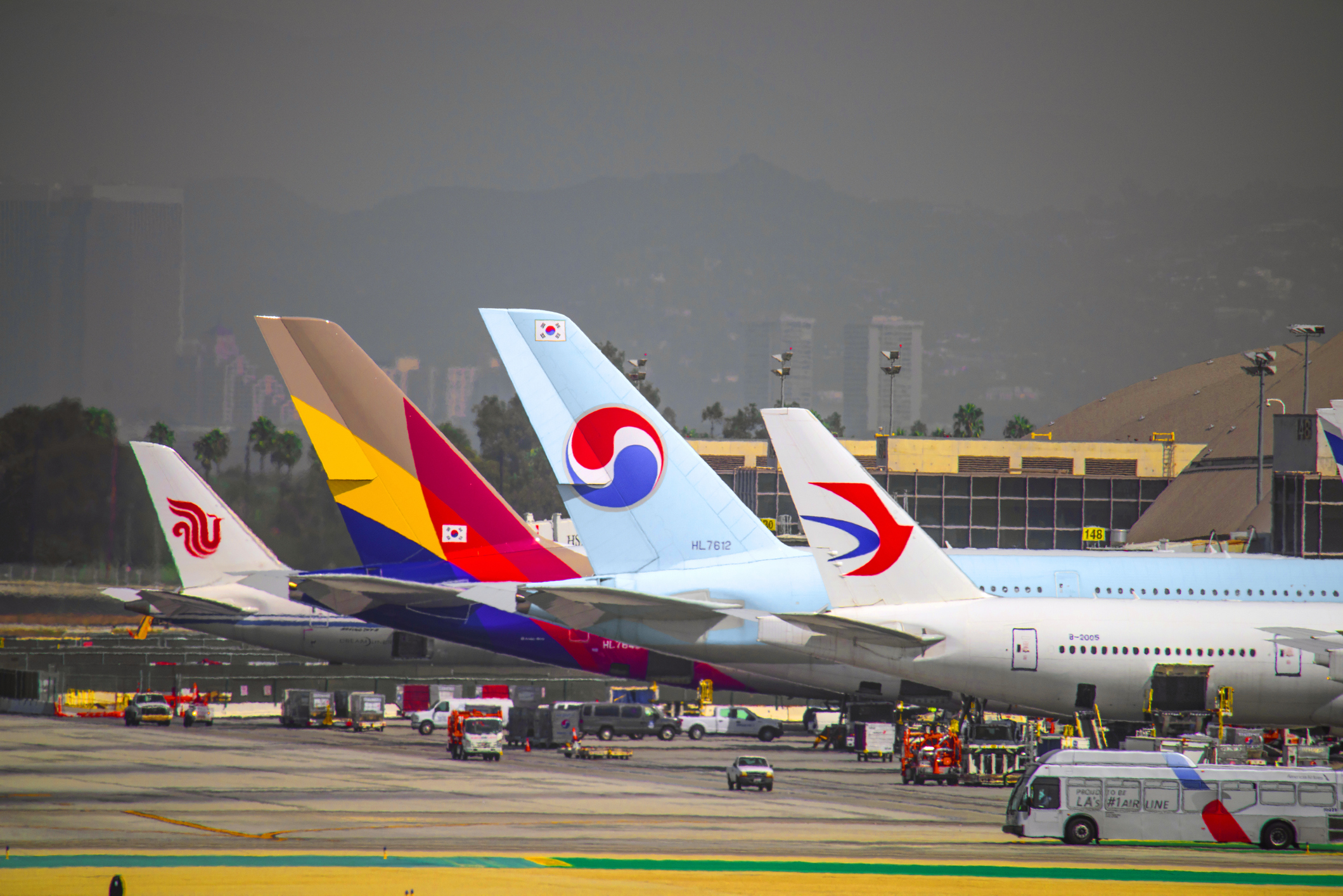
    Hong Kong, China - September 24, 2013: Asiana Airlines Boeing 777-200ER at Hong Kong International Airport, Hong Kong. It is one of South Korea's two major airlines. Some ground staffs are working at the airport.
    WINHORSE / ISTOCK

    Asiana Elite Status Is Mapping to Korean Air

    Asiana elite members won’t have to start over. Their status will be matched to a Korean Air tier when the airlines integrate.

    Asiana statusKorean Air status
    PlatinumMillion Miler Club
    Diamond PlusMorning Calm Premium Club
    Diamond Plus Limited TermMorning Calm Select Club
    DiamondMorning Calm Select Club
    GoldMorning Calm Club

    Morning Calm Select is a new Korean Air tier being created as part of the integration and will include SkyTeam Elite Plus benefits.

    Anyone who already has Korean Air status will receive whichever tier is higher after the match. The expiration date on the existing Asiana status will carry over.

    Converting Asiana miles could provide another opportunity to move up. At that point, Korean Air will combine eligible flight mileage earned with Asiana with existing Korean Air qualification mileage and reassess the account. If that total qualifies for a higher tier, the member will move up.

    Korean Air Is Making Award Availability Commitments Too

    The approved plan also includes some unusually specific promises about award availability.

    Korean Air says award seats will remain at or above pre-integration levels. On long-haul routes to the Americas, Europe, and Oceania, the airline says it will offer at least as many award seats as the highest levels recorded during the past 10 years.

    Korean Air has also committed to making enough award space available for members to redeem at least 20% more miles annually than Korean Air and Asiana members did before the integration.

    Whether those commitments translate into noticeably easier award bookings is something to keep an eye on once the programs come together.

    For now, anyone with Asiana miles has plenty of time to decide what to do. Those miles can remain separate for up to a decade, retain Asiana’s redemption rates, and become usable across Korean Air’s entire network.

    Converting them to SKYPASS will remain an option. But particularly for miles earned through Asiana’s non-airline partners, there’s no reason to rush into taking an 18% reduction.
  • Etihad Details New A330neo Cabins, Announces Fleet Retrofit

    Etihad Details New A330neo Cabins, Announces Fleet Retrofit

    Etihad Airways revealed the cabins that will debut on its Airbus A330neo fleet when the aircraft enter service in late 2027.

    The airline first announced plans last year to add 15 A330neos over five years. On Monday, September 14, it shared what passengers can expect onboard while also outlining a broader investment push in its aircraft, lounges, and other parts of the travel experience.

    Three Cabins, Including Four First Suites

    The Airbus A330neo will feature three cabins with four first suites, 24 business class seats, and 252 economy seats.

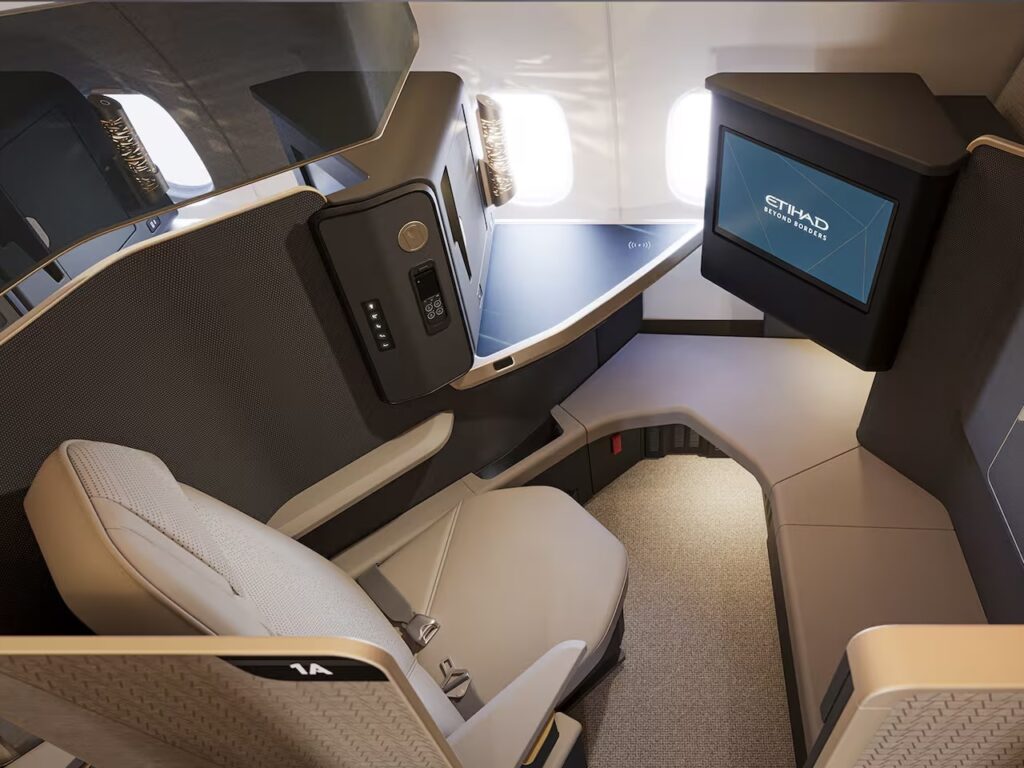
    The first class cabin is the most exclusive, with just four enclosed suites. Each includes a sliding privacy door, space for a companion to dine, wireless charging, a 32-inch entertainment screen, dedicated storage, and a personal vanity.

    Behind it are 24 fully lie-flat business class seats arranged in a 1-2-1 configuration, giving every passenger direct aisle access. Each seat includes a sliding privacy door, a 17.3-inch entertainment screen, wireless and wired charging, a large tray table, and additional storage.

    Etihad rendering of A330neo business class.
    ETIHAD

    The economy cabin includes 252 seats with 13.3-inch 4K entertainment screens, USB charging, redesigned headrests, and personal device holders. Another 32 seats will be sold as Extra Legroom and will offer roughly four additional inches of pitch.

    Etihad says the aircraft will primarily fly regional and medium-haul routes across Europe, Asia, and the Middle East beginning in September 2027.

    First Class Is Still Part Of The Plan

    While several airlines have reduced or eliminated first class over the past decade, Etihad says it plans to continue expanding the cabin through both new aircraft deliveries and retrofit programs.

    The new A330 will have four first suites. That’s more than the airline’s Airbus A321LR, which has just two, but still far fewer than many of its traditional long-haul aircraft. And rather than concentrating first class on a handful of flagship jets, Etihad appears focused on offering it across more of its fleet.

    Exactly how those plans will take shape is still unclear. Etihad did not say which existing aircraft types will receive updated cabins or first class as part of its retrofit program.

    The Investment Goes Beyond The A330

    The new cabins are only one part of a much larger investment.

    Etihad says it plans to spend $20 billion on new aircraft and the broader passenger experience, including a $1 billion fleet retrofit program that will update existing aircraft over time.

    The investment extends beyond aircraft interiors. The airline says it also plans to refresh lounges, onboard dining, amenities, connectivity, and other parts of the travel experience as it works toward a more consistent experience across its network.

    The airline did not identify which aircraft will receive updated cabins or when those retrofits will begin. Even so, the announcement indicates that the new A330neo interiors are intended to be the starting point rather than a one-off cabin design.

  • SWISS Is Adding Another Airbus A350 With Its Newest Cabins

    SWISS Is Adding Another Airbus A350 With Its Newest Cabins

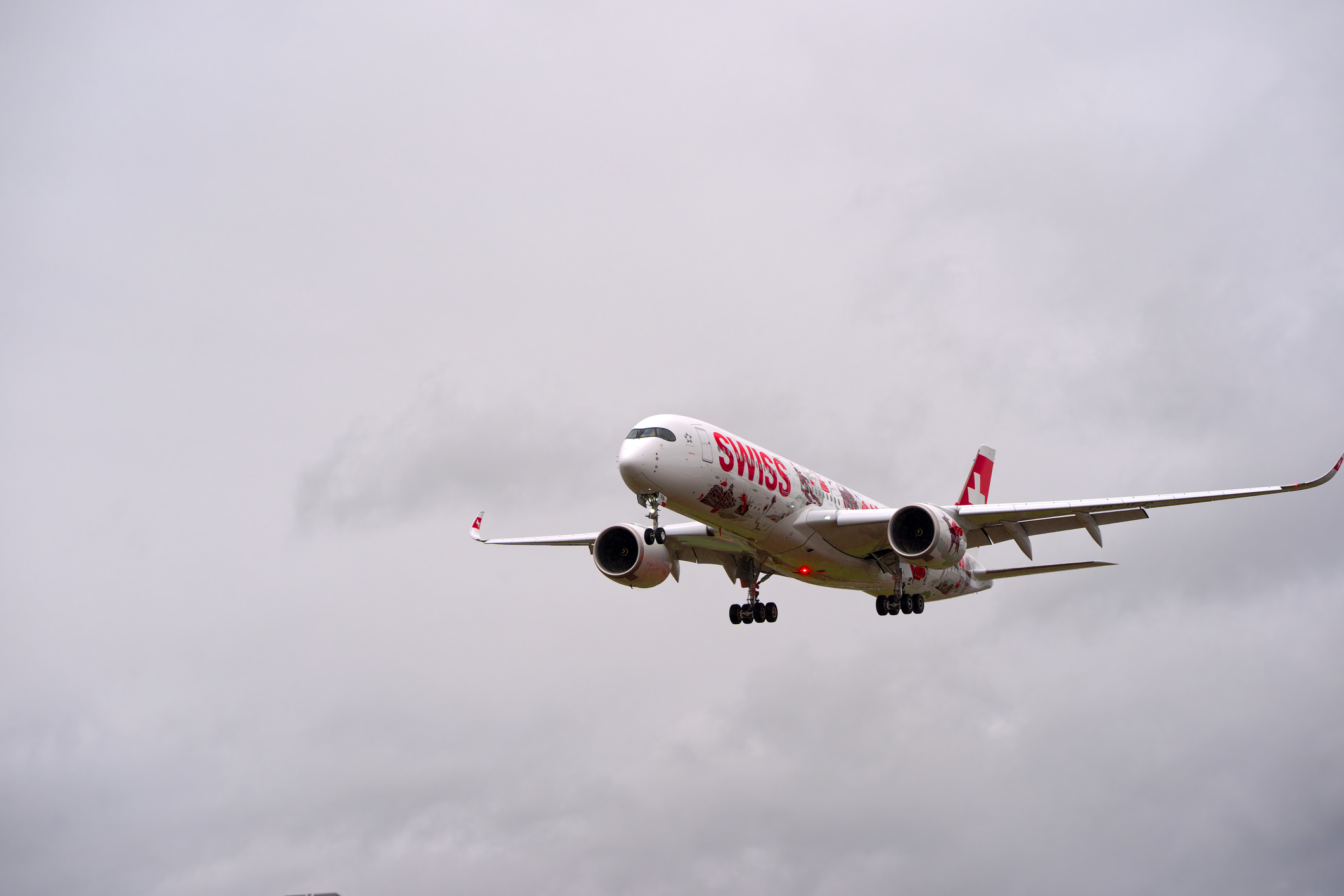
    SWISS is about to have a third Airbus A350 in its fleet.

    The airline announced that it expects its newest A350-900 to arrive in Zurich on Saturday, September 12, following a delivery flight from Airbus in Toulouse. The aircraft, registered HB-IFC and named Zug, is scheduled to land around 9:30 a.m. local time.

    Three airplanes isn’t a huge fleet. But SWISS only has 10 A350s on order, which means 30% of them will have arrived once Zug touches down in Zurich.

    SWISS is also bringing its newest cabins to some older aircraft through retrofits. The difference with the A350 is that each one arrives from the factory with the entire new SWISS Senses interior already installed.

    SWISS Is Slowly Getting More of Its New Cabins

    SWISS introduced the A350 in 2025 with its new SWISS Senses cabins from front to back.

    There are just 243 seats onboard, starting with four first-class suites and 45 business class seats. Another 38 seats are in premium economy, followed by 156 in economy.

    Every delivery puts another full set of SWISS’s newest seats into service as the airline gradually replaces some of its older long-haul aircraft. And with only 10 A350s planned, the arrival of a third is a meaningful step in what is still a relatively small fleet.

    I’ve seen the new interior firsthand. SWISS showed off its first A350 before it entered service last year, and the cabins are a considerable departure from what can still be found across much of the airline’s long-haul fleet.

    The changes aren’t limited to the airplane. SWISS is also updating its experience in Zurich, with two new lounges coming to Dock B in 2027. The roughly 28,000-square-foot project will include separate Business and Senator lounges.

    The third A350 will get a small welcome before it reaches the airport. SWISS says the aircraft is expected to circle over Zug, the city whose name it carries, before making its final approach into Zurich.

    Another A350 Becomes Bookable With Points

    There’s also a practical reason to keep an eye on aircraft deliveries.

    SWISS award seats can be booked through several Star Alliance loyalty programs, including United MileagePlus, Air Canada Aeroplan, and Avianca LifeMiles. That means Miles & More isn’t the only option for booking a SWISS flight with points or miles.

    Each new A350 therefore puts another aircraft with SWISS’s newest first, business, premium economy, and economy cabins into the mix when searching for an award with points and miles.

    Seven A350s are still to come. But with the third arriving Saturday, SWISS is getting closer to the point where its newest long-haul cabins aren’t quite as difficult to find.

  • Chase Is Overhauling the Aeroplan Card and Putting Air Canada Front and Center

    Chase Is Overhauling the Aeroplan Card and Putting Air Canada Front and Center

    The Aeroplan Credit Card is getting an overhaul, and it’s going to cost quite a bit more.

    Chase and Air Canada announced the changes on September 10. The newly renamed Air Canada Aeroplan Card will carry a $195 annual fee, up from $95, while adding automatic Aeroplan 25K status, a 15% discount on eligible Air Canada flights booked with points, up to $100 back on Air Canada purchases each year, and 3X points on travel.

    There are some tradeoffs. Grocery store and restaurant purchases will earn fewer points, and a standing 10% bonus on large transfers from Chase Ultimate Rewards to Aeroplan is going away at the end of the year.

    It’s a fairly substantial rethink of a card that has been around since 2021. And the new name offers a pretty good clue about where Chase and Air Canada are taking it.

    The Air Canada Aeroplan Card Will Cost $195

    The annual fee is jumping from $95 to $195.

    To help make up the difference, Chase is adding up to $100 in Air Canada statement credits each year. The benefit is split into two $50 credits, one every six months, so getting the full $100 back requires making at least two eligible Air Canada purchases during the year.

    There are more reasons to use the card when flying Air Canada, too.

    Cardmembers will automatically receive Aeroplan 25K status without a spending requirement. That comes with perks including priority check-in, Zone 2 boarding, and five eUpgrade credits each year.

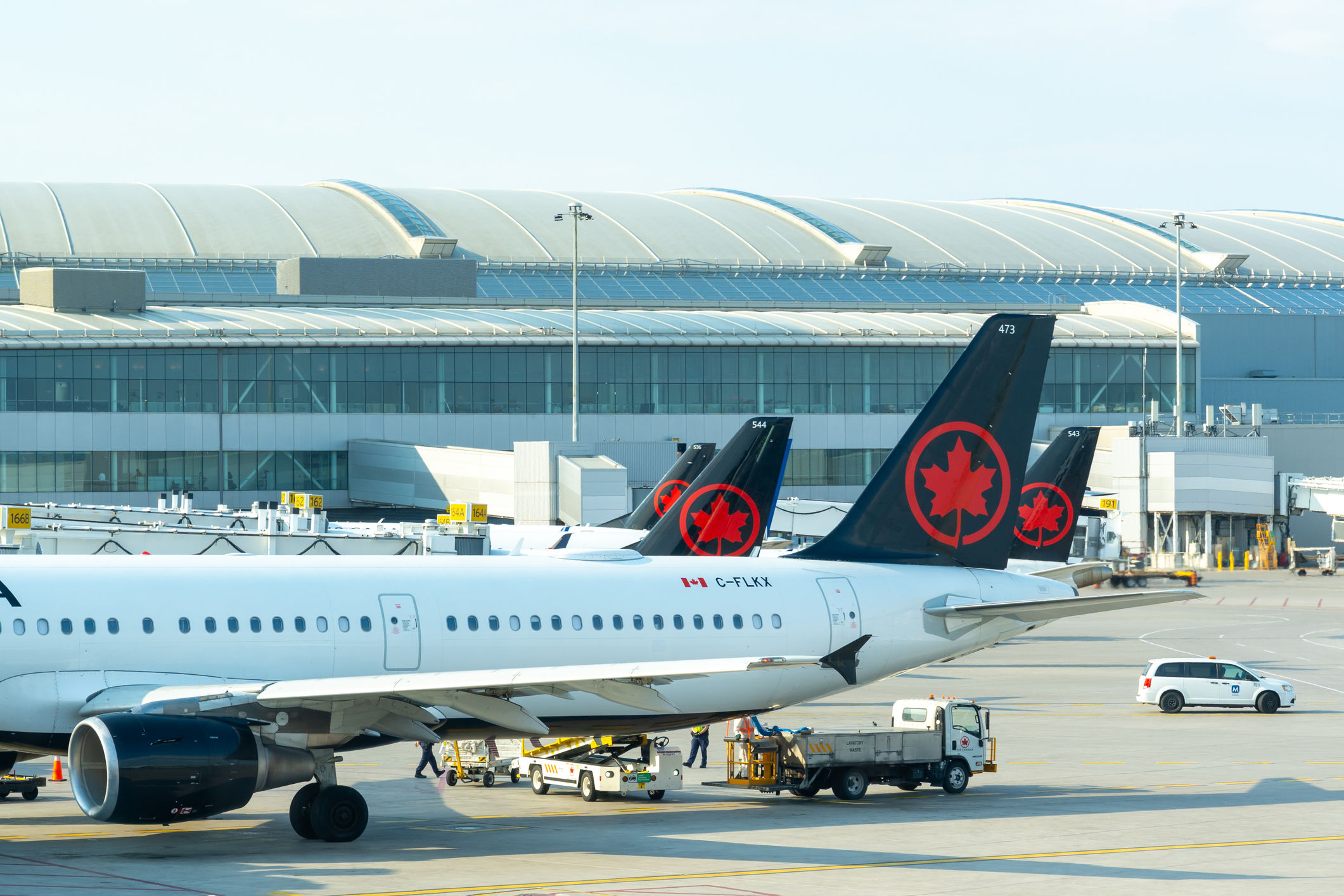
    Air Canada Boeing 777 on approach to Vancouver International Airport.
    ALVIN MAN / ISTOCK

    Perhaps more interesting is a new 15% discount on eligible Air Canada flights booked with Aeroplan points. A flight that would otherwise require 50,000 points, for example, would drop to 42,500 points if eligible for the discount.

    That’s potentially useful even without much interest in elite status. The catch is that the discount is limited to eligible Air Canada flights. Aeroplan points can be used with more than 45 partner airlines, and those flights aren’t included.

    Everyday Spending Is Changing, Too

    The card isn’t just getting new benefits.

    Grocery stores and restaurants currently earn 3 Aeroplan points per dollar. That’s dropping to 2X.

    Travel, meanwhile, becomes a new 3X category, and gas purchases will earn 2X. Air Canada purchases continue to earn 3X.

    Chase is also advertising up to 5X points on eligible Air Canada flights. The card itself isn’t earning all five, though. Three points per dollar come from paying with the card, while another two come from Air Canada on eligible flights as part of the Aeroplan 25K status that now comes with it.

    For anyone who has been using the Aeroplan Credit Card heavily at grocery stores or restaurants, the math gets worse. Spending on travel gets more rewarding instead.

    Two Existing Benefits Are Disappearing

    As the new benefits arrive, two existing ones are heading for the exit.

    Through December 31, 2026, cardmembers can still receive a 10% bonus when transferring at least 50,000 Chase Ultimate Rewards points to Aeroplan. The benefit can provide up to 25,000 bonus points per calendar year, but it disappears after that.

    The monthly spending bonus is going away at the same time. It currently awards 500 bonus points for every $2,000 spent on the card during a calendar month, up to 1,500 bonus points per month.

    Montreal, Canada - August 25, 2025: Air Canada airline logo sign inside Montreal Trudeau International Airport terminal
    ANDREI ANTIPOV / ISTOCK

    One more benefit arrives in January. Cardmembers will get a fourth day free on eligible four-day rental car reservations booked with Aeroplan points, joining an existing fourth-night-free benefit for eligible hotel bookings.

    There’s also a new welcome offer. New cardmembers can earn 75,000 Aeroplan points after spending $4,000 in the first three months, plus another 40,000 points after spending $20,000 in the first 12 months, for up to 115,000 points in total.

    Aeroplan Is Still Bigger Than Air Canada

    The name change is easy to overlook among everything else, but it fits neatly with what’s happening to the card.

    Aeroplan points aren’t just for Air Canada. They can be used to book flights with dozens of other airlines, which has long made the program useful even without much reason to fly Air Canada itself. The old $95 Aeroplan Credit Card fit comfortably into that world, too.

    That’s not changing. The Air Canada Aeroplan Card still earns Aeroplan points, and those points still work with the program’s airline partners.

    But the card itself is becoming more closely tied to Air Canada. The fee is higher, grocery and dining earning is lower, and the Chase transfer bonus is disappearing. In their place are a $100 Air Canada credit, automatic status, and a 15% discount that specifically rewards booking Air Canada flights with points.

    Even the name now says Air Canada.

    For someone who regularly flies the airline, there’s considerably more here than before. For someone who liked the old Aeroplan Credit Card mostly because Aeroplan points are useful elsewhere, the overhaul isn’t nearly as straightforward.

    {{ credit-card-widget uri=”ac” }}

  • Avianca Is Getting New Business Class Suites for Its Boeing 787s

    Avianca Is Getting New Business Class Suites for Its Boeing 787s

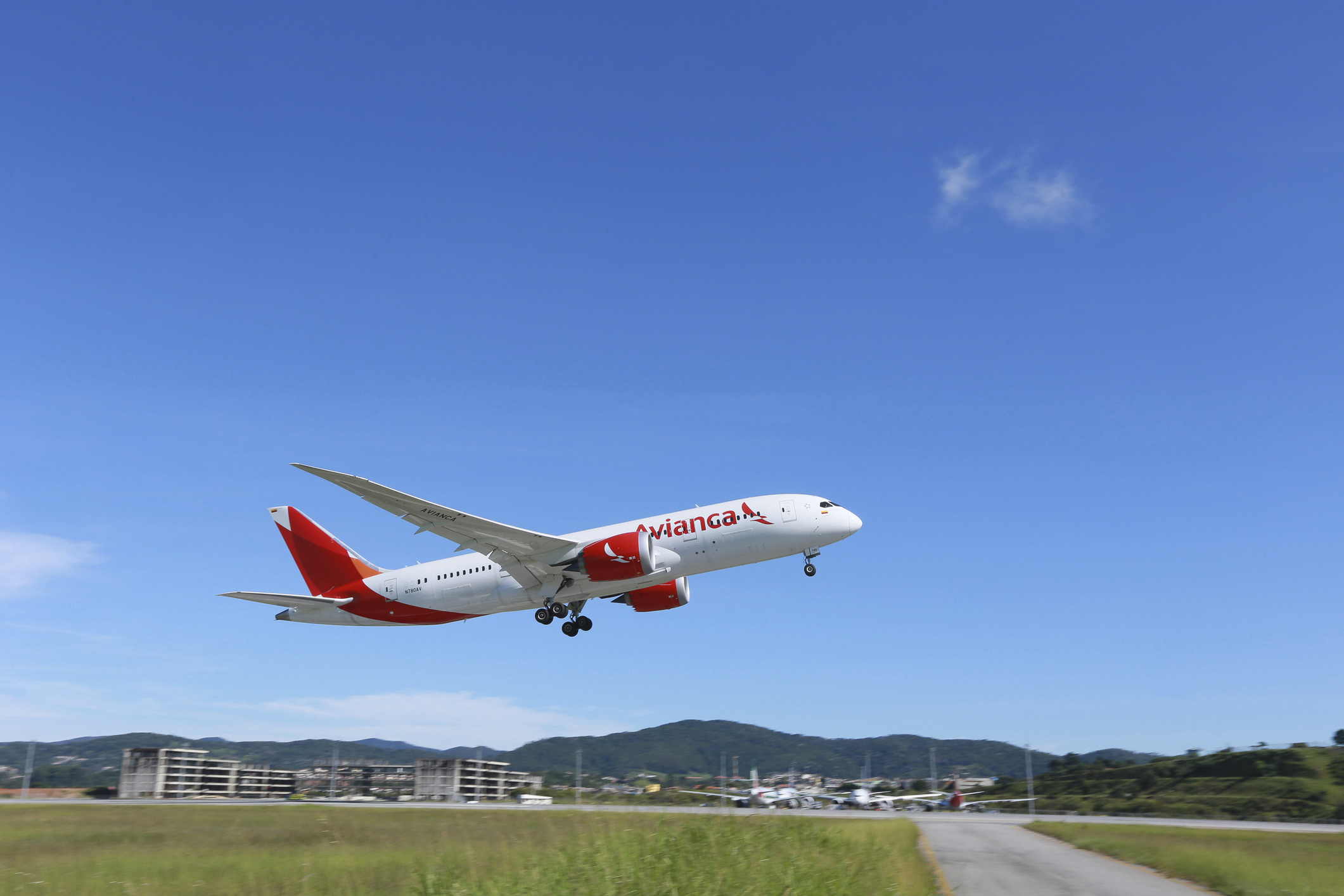
    Avianca is giving its long-haul business class an overhaul.

    The airline announced a series of upgrades to INSIGNIA by Avianca on September 9. New dining, amenities, and other onboard improvements are all part of the refresh.

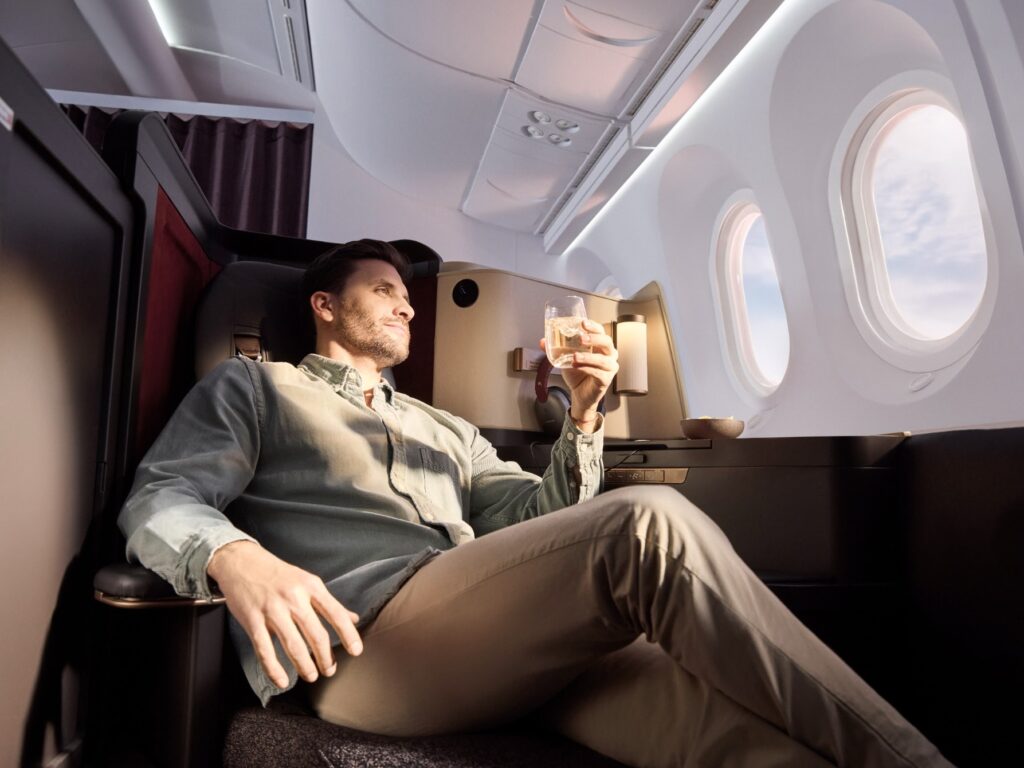
    Then, starting in 2027, Avianca plans to introduce an entirely new business class cabin to its Boeing 787s with suites offering more privacy.

    The new seats are the headline, but they’re only part of what Avianca is upgrading.

    New Business Class Suites Are Coming in 2027

    Avianca says its new business class cabin will begin rolling out aboard Boeing 787s in 2027.

    And based on the first images, this isn’t just a new cover on the same old seat. The new cabin will feature individual pods with much more privacy around each passenger, bringing Avianca closer to the enclosed, personal spaces that have become common in newer international business class cabins.

    That’s a meaningful change on the flights where Avianca offers INSIGNIA. Its 787s fly to New York and across the Atlantic to Europe, where a good business class seat can turn an overnight flight into a place to eat, work, and, most importantly, get some sleep.

    Avianca hasn’t shared many details yet, but we do know the first suites are scheduled to arrive next year.

    Rendering of Avianca's new business class suite.
    AVIANCA

    The Rest of Business Class Is Changing, Too

    A new seat is nice, but there’s quite a bit more to a long-haul business class experience than the few square feet around it.

    That’s where many of Avianca’s more immediate changes come in.

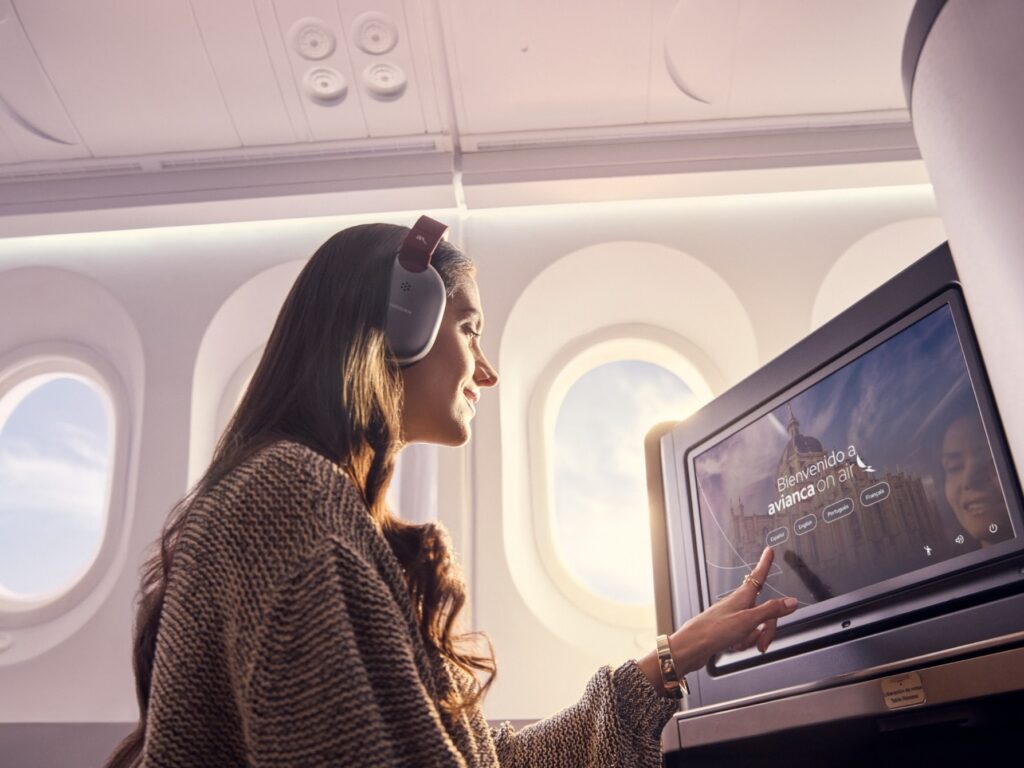
    The airline is adding new noise-canceling headphones, pajamas and slippers, along with redesigned amenity kits. Meals are changing, too, with new menus from chefs Álvaro Clavijo and Rafael Buitrago that lean into Latin American flavors.

    Those details aren’t nearly as flashy as a new suite, but they matter on a long flight. A lie-flat seat might be the biggest reason to book business class, but food, bedding, headphones, and service are what fill the other eight or nine hours onboard.

    Rendering of Avianca's new business class suite.
    AVIANCA

    Avianca is also putting more attention on service. More than 850 flight attendants have completed a business class training program focused on hospitality and etiquette.

    So while the suites won’t start arriving until 2027, the experience around them is already getting some attention.

    Avianca Wants to Be More Premium

    These changes also say something about where Avianca is headed.

    Avianca has spent the past several years adopting a much more stripped-down economy model on many of its flights. At the front of the cabin, though, it’s now putting more distance between the basic experience and what customers willing to pay more can get.

    Avianca now offers Business Class Américas throughout its network within the Americas. It’s a much simpler product than INSIGNIA, typically using economy-style seats with the middle seat blocked rather than the beds found on the 787. That’s not nearly as exciting as a private suite, but it fits the same broader push to create a more distinct experience at the front of the plane.

    The airline is also expanding onboard entertainment, gradually adding Wi-Fi, and renovating lounges, including its International Gold Lounge in San Salvador.

    LifeMiles Could Make the New Suites Particularly Interesting

    There’s another reason Avianca’s new 787 cabin matters.

    LifeMiles are fairly easy to earn thanks to several transferable points programs, and they can be redeemed for Avianca flights. That means the new suites should eventually be bookable with miles rather than a four-figure business class fare.

    How many miles they’ll cost and how easy they’ll be to book are questions for 2027.

    For now, Avianca is improving the meals, amenities, and service surrounding its long-haul business class seats. Next year, the seats themselves start changing, too.

  • Hyatt and Delta Are Launching a New Exclusive Loyalty Partnership

    Hyatt and Delta Are Launching a New Exclusive Loyalty Partnership

    On the same day Hyatt announced the end of its exclusive loyalty relationship with American Airlines, it lined up its replacement, too.

    Hyatt and Delta Air Lines announced Wednesday, September 9, that they’re forming a new long-term partnership. The relationship will formally launch in the coming months.

    World of Hyatt elites will be able to earn Hyatt points on qualifying Delta flights, while Delta Medallion members will earn SkyMiles on qualifying Hyatt stays.

    That’s about as specific as Hyatt and Delta are getting for now. The companies haven’t said which elite members will qualify, how much they’ll earn, or even exactly when the partnership will launch.

    But the timing clears up at least some of the mystery from earlier Wednesday. Hyatt isn’t walking away from airline partnerships. It’s swapping one exclusive airline relationship for another.

    World of Hyatt and Delta SkyMiles Members Will Be Able to Double Dip

    The first confirmed benefit is reciprocal earning.

    Eligible World of Hyatt elite members will earn Hyatt points on qualifying Delta airfare purchases in eligible fare classes. Delta Medallion members, meanwhile, will be able to earn SkyMiles on qualifying stays at participating Hyatt properties.

    Those rewards will come on top of what members already earn through the program they’re doing business with. Naturally, this will create a chance to double dip across flights and hotel stays.

    But there are still plenty of blanks to fill in.

    Hyatt and Delta haven’t shared which elite tiers will qualify, the earning rates, which Delta fares or Hyatt properties will participate, or exactly when the partnership will launch. Enrollment details are also coming later.

    And apparently, reciprocal earning is only the beginning. The companies say additional benefits and experiences will be unveiled later this year.

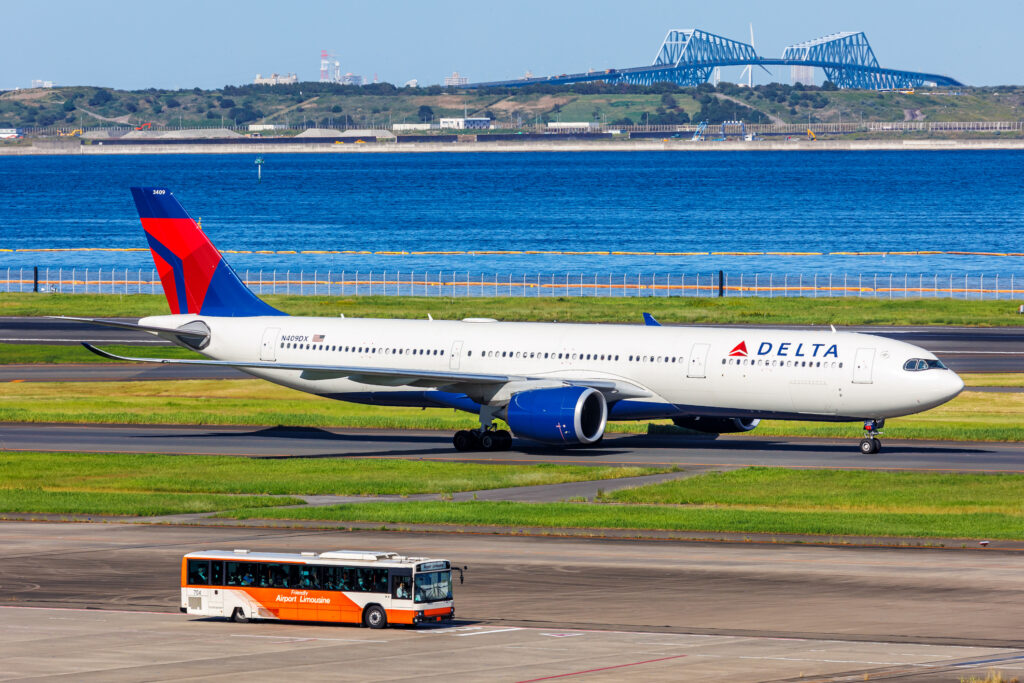
    Delta Air Lines Airbus A330-900 airplane at Tokyo Haneda Airport (HND) in Japan.
    BOARDING1NOW / ISTOCK

    Hyatt Is Swapping American for Delta

    Earlier Wednesday, American and Hyatt announced that they won’t continue their enhanced loyalty relationship. American later confirmed to Points Insider that its exclusive Hyatt partnership expires in November and won’t be renewed.

    A few hours later, Hyatt described its new relationship with Delta as exclusive.

    That explains quite a bit.

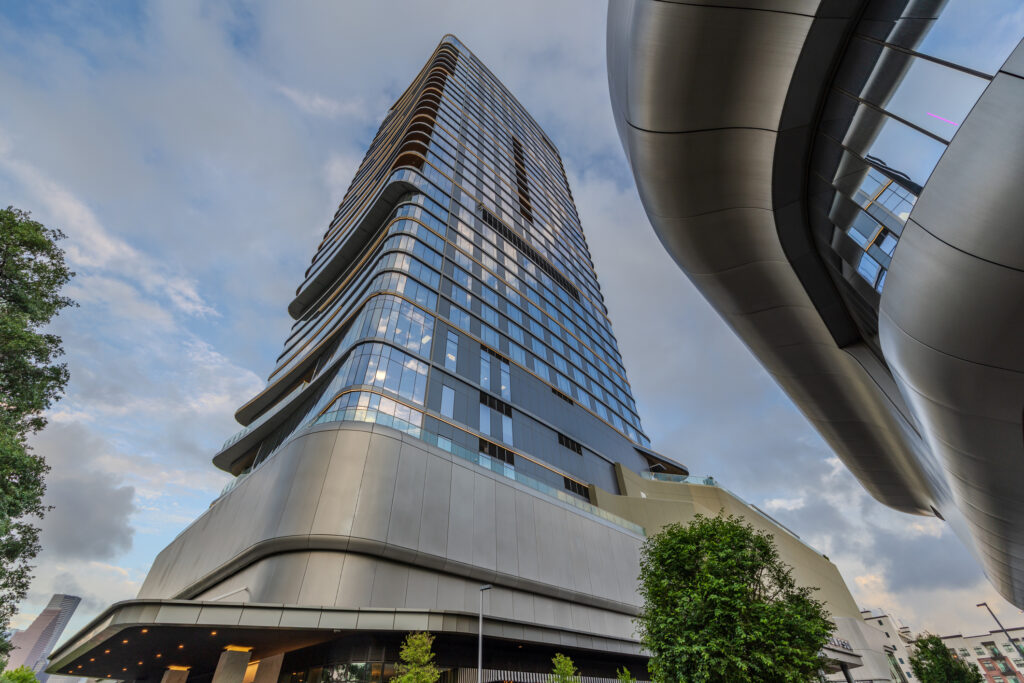
    The 2-year new Thompson Houston, by Hyatt, hotel tower in a cloudy afternoon.
    MAK STUDIO / ISTOCK

    We’ve covered the American breakup separately, including what happens to existing benefits and what AA told Points Insider about the decision. The short version is that a relationship that had already been scaled back in 2025 is winding down, while Hyatt is preparing to launch a new one with Delta.

    There’s an interesting reversal here, too. American and Hyatt eliminated reciprocal earning last year. Hyatt and Delta are putting it back at the center of their new partnership, at least for eligible elite members.

    However, the full details will determine whether that’s as useful as it sounds.

  • American and Hyatt Are Ending Their Exclusive Loyalty Partnership in November

    American and Hyatt Are Ending Their Exclusive Loyalty Partnership in November

    American Airlines and Hyatt are calling time on a loyalty partnership that once tied the two programs much more closely together.

    The two companies announced Wednesday, September 9, that they have “mutually decided” not to continue their enhanced relationship, which currently gives AAdvantage and World of Hyatt members opportunities to unlock benefits across both programs.

    The partnership had already been watered down considerably in 2025, when American and Hyatt eliminated reciprocal bonus earning on flights and hotel stays in favor of rewards tied to each program’s elite status qualification system.

    Now, those benefits are going away, too.

    For the moment, little is changing. Members can continue earning and redeeming eligible benefits through the current earning year, with parts of the relationship stretching into early 2027.

    American and Hyatt Are Going Their Separate Ways

    American and Hyatt have worked together since 2019. Initially, eligible elite members could earn bonus AAdvantage miles on Hyatt stays or bonus World of Hyatt points on American flights after linking their accounts.

    That arrangement changed in 2025. Rather than earning bonus points or miles whenever they stayed or flew, members began unlocking benefits in the other program through AAdvantage Loyalty Point Rewards and World of Hyatt Milestone Rewards.

    Those are the benefits now headed for the exit.

    American and Hyatt issued nearly identical statements Wednesday, saying the decision came “after careful consideration.”

    “We have mutually decided to not continue our enhanced relationship.”

    The initial announcement didn’t offer much more explanation than that. But an American spokesperson provided Points Insider with some additional context, confirming that what it described as the “exclusive loyalty partnership” with Hyatt expires in November and won’t be renewed.

    American said it’s focused on partnerships that provide AAdvantage members with “global scale and premium experiences” while also building relationships that are beneficial to customers and the airline’s financial outlook.

    The reference to exclusivity is what sticks out.

    Air Canada and Hyatt recently announced a new enhanced partnership between Aeroplan and World of Hyatt, giving members opportunities to earn rewards and access status benefits across the two programs.

    We specifically asked American whether Hyatt’s new Aeroplan partnership played a role in the decision not to renew its exclusive relationship. The airline didn’t address that question.

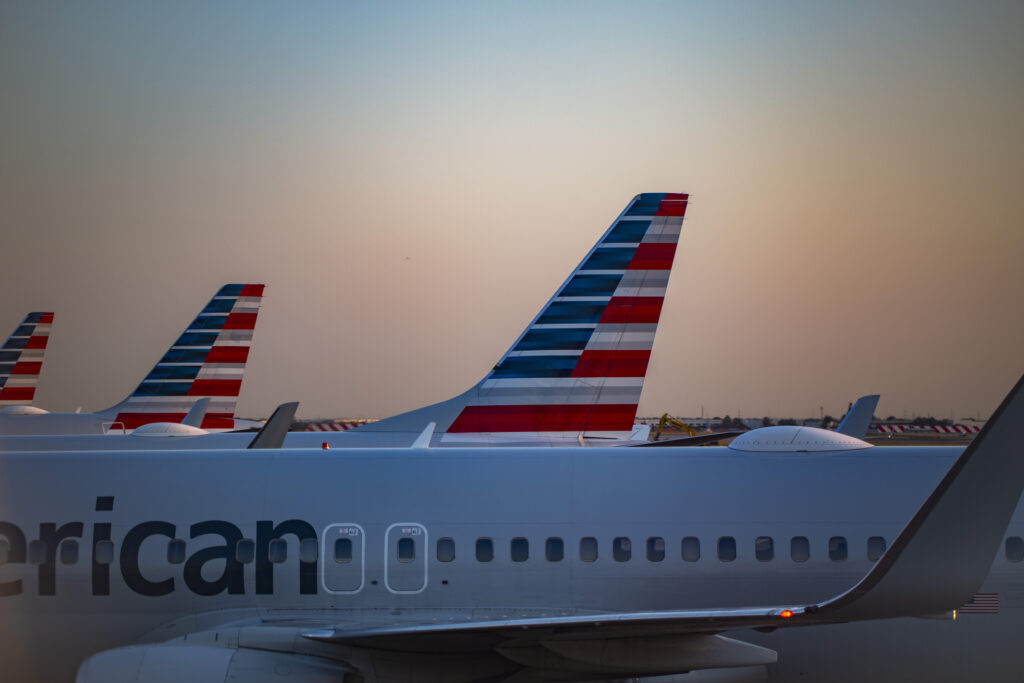
    American Airlines tails and fuselage at sunrise at Dallas Fort Worth International Airport in Oct 2024
    KAMERAWORLD / ISTOCK

    Current Benefits Aren’t Disappearing Immediately

    Members who already leverage the American and Hyatt partnership have some time before the biggest changes take effect.

    AAdvantage members who link their American and Hyatt accounts by November 15, 2026, can continue earning World of Hyatt awards through AAdvantage Loyalty Point Rewards through February 28, 2027.

    World of Hyatt members who link their accounts by November 15 can continue earning AAdvantage awards through Milestone Rewards through December 31, 2026.

    Benefits already earned won’t suddenly disappear, either. Both companies say members will receive the usual amount of time to select an award after earning it.

    One American and Hyatt Benefit Is Sticking Around

    Not everything is going away.

    AAdvantage members will still be able to earn 500 AAdvantage miles on eligible Hyatt stays after the broader relationship ends. Members can choose to earn the miles instead of World of Hyatt points by providing their AAdvantage number at check-in.

    It’s a much narrower tie-up than what American and Hyatt once offered, but the two programs aren’t severing ties completely.

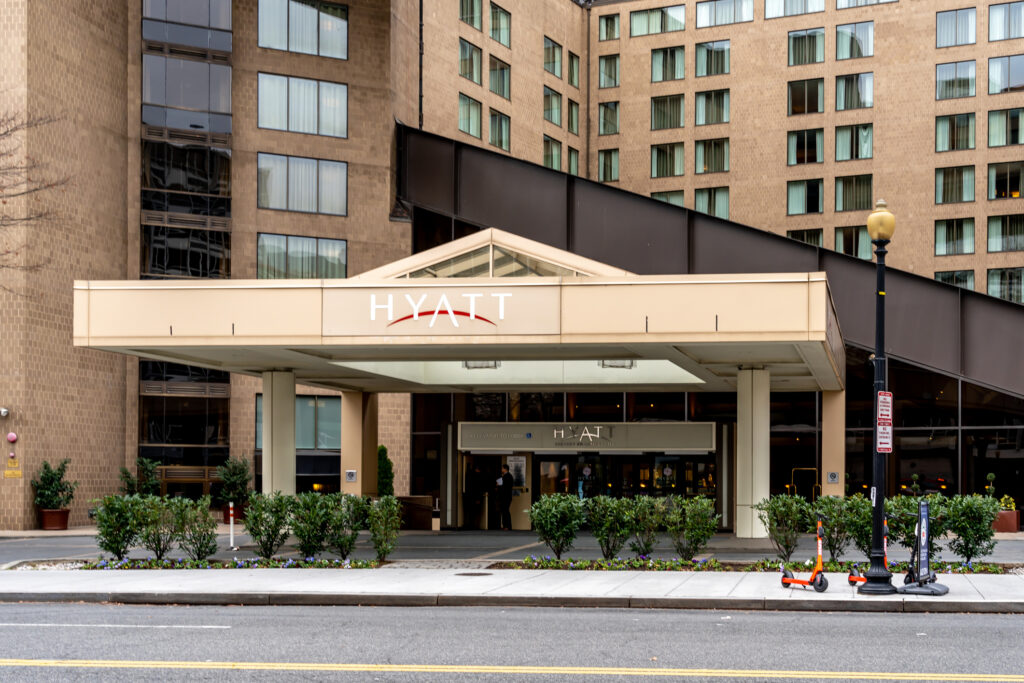
    Entrance of Hyatt Regency Washington on Capitol Hill.
    JHVEPHOTO / ISTOCK

    Why End the Partnership Now?

    That’s still the big unanswered question.

    American’s response offers a glimpse at what the airline wants from its loyalty partnerships, including global scale, premium experiences, and relationships that make financial sense. But it doesn’t explain why the Hyatt relationship no longer fits that strategy.

    The timing of Hyatt’s new Aeroplan partnership, coupled with American’s description of its Hyatt agreement as exclusive, makes the question particularly interesting.

    For now, though, there’s no confirmation that the two developments are connected.

    And the practical impact won’t be immediate. Members have several more months to earn benefits before the relationship winds down, and the option to earn AAdvantage miles instead of Hyatt points will remain.

    But the broader partnership has been shrinking for some time. It lost reciprocal earning in 2025, will lose its remaining cross-program milestone benefits over the coming months, and its exclusive contract expires in November.

    This time, American and Hyatt aren’t renewing it.

  • Flying Blue’s New Three-Tiered Pricing for Air France and KLM Awards Is Live

    Flying Blue’s New Three-Tiered Pricing for Air France and KLM Awards Is Live

    Flying Blue members now have more options when booking award flights with Air France and KLM.

    The joint loyalty program of Air France and KLM announced the change in mid-August, and the new pricing went live Tuesday, September 8. Instead of a single award option, flights now come in three flavors: Light, Standard, and Flex.

    The names are pretty straightforward. Light costs fewer miles and includes less. Standard sits in the middle. Flex costs more miles in exchange for more flexibility and included benefits.

    But the differences aren’t limited to mileage prices.

    Depending on the tier, checked bags, changes and refunds, seat selection, and even business class lounge access can come and go. Flex awards can also require considerably less cash alongside the miles.

    Ultimately, choosing which award to book now takes a little more thought.

    Flying Blue Awards Now Come in Three Tiers

    Flying Blue modeled the new award tiers after the fares Air France and KLM already sell on paid tickets.

    The three options apply to new award bookings on flights operated and marketed by Air France and KLM. Awards on partner airlines aren’t changing. If an itinerary combines an Air France or KLM flight with a partner flight, Standard will be the only option.

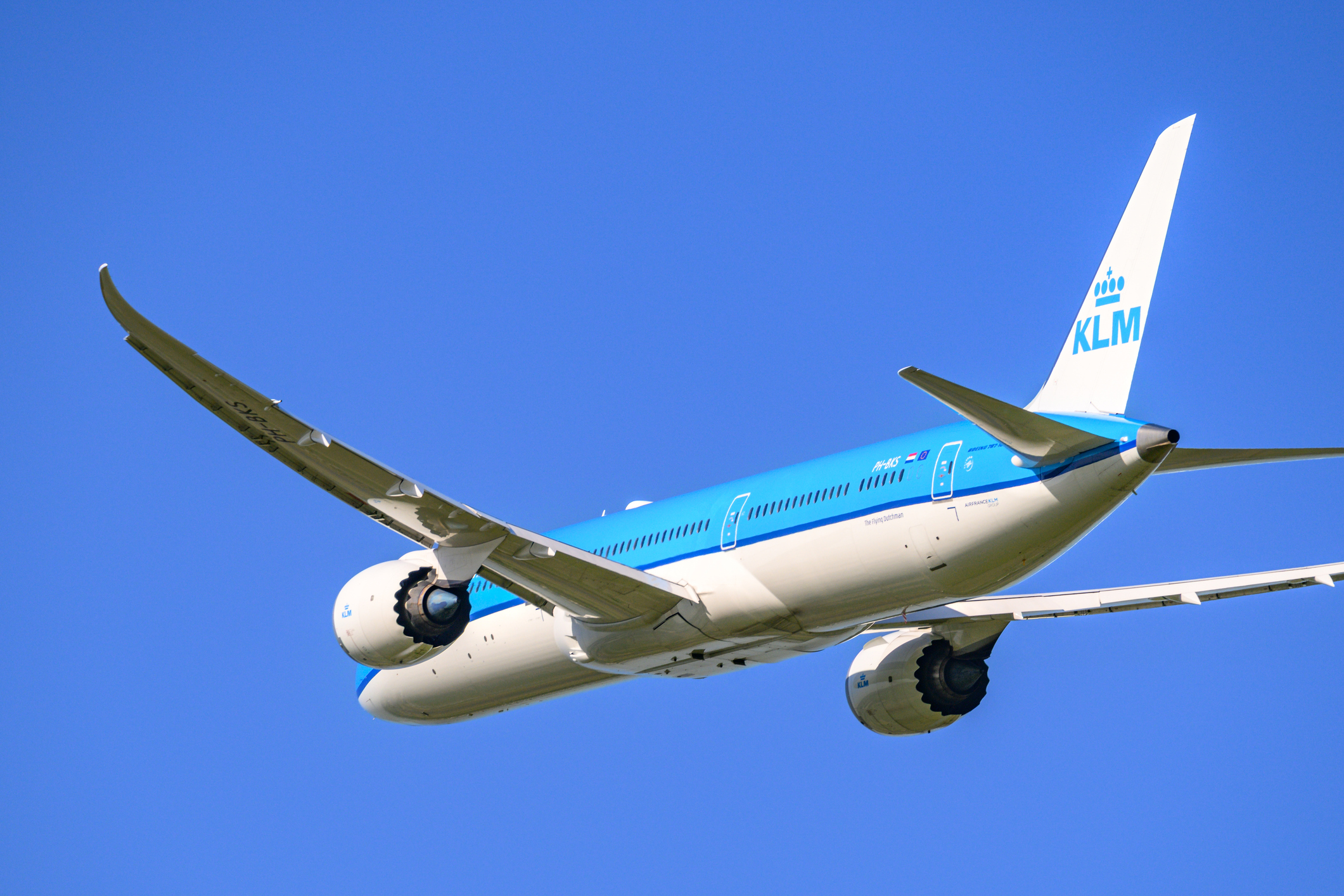
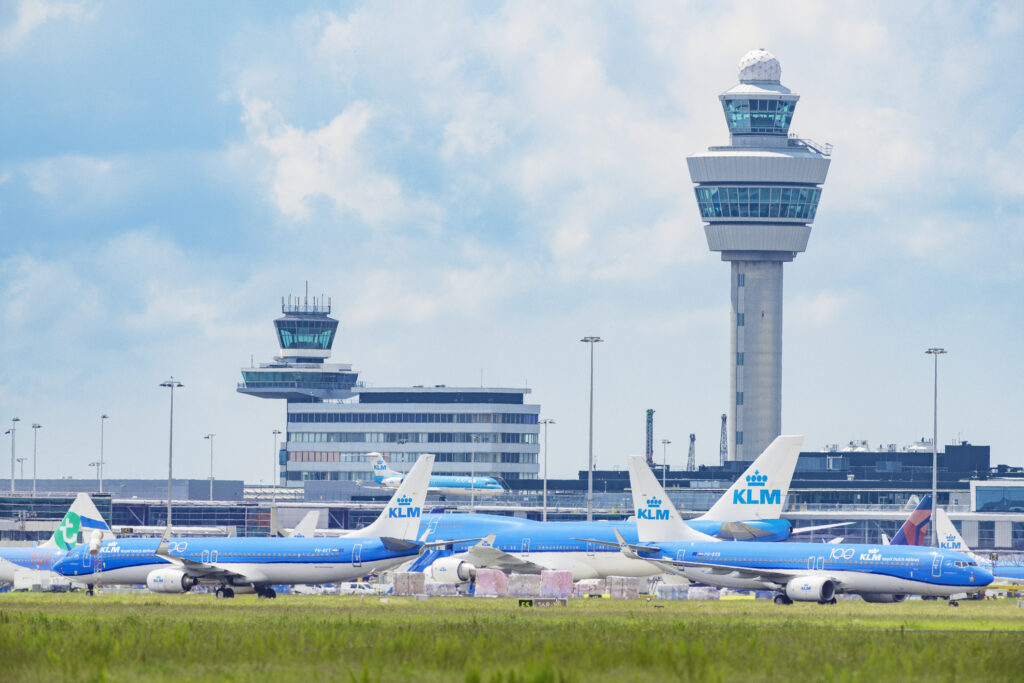
    KLM (Koninklijke Luchtvaart Maatschappij - Royal Dutch Airlines) airplanes parked on the tarmac of Schiphol Airport near Amsterdam
    SJO / ISTOCK

    At the most basic level, the three tiers work like this:

    • Light: Fewer miles, fewer included benefits, and no changes or refunds.
    • Standard: More miles, additional baggage, and changes or refunds for €70.
    • Flex: The most miles, more included benefits, and changes and refunds without a fee.

    Exactly what’s included depends on the cabin.

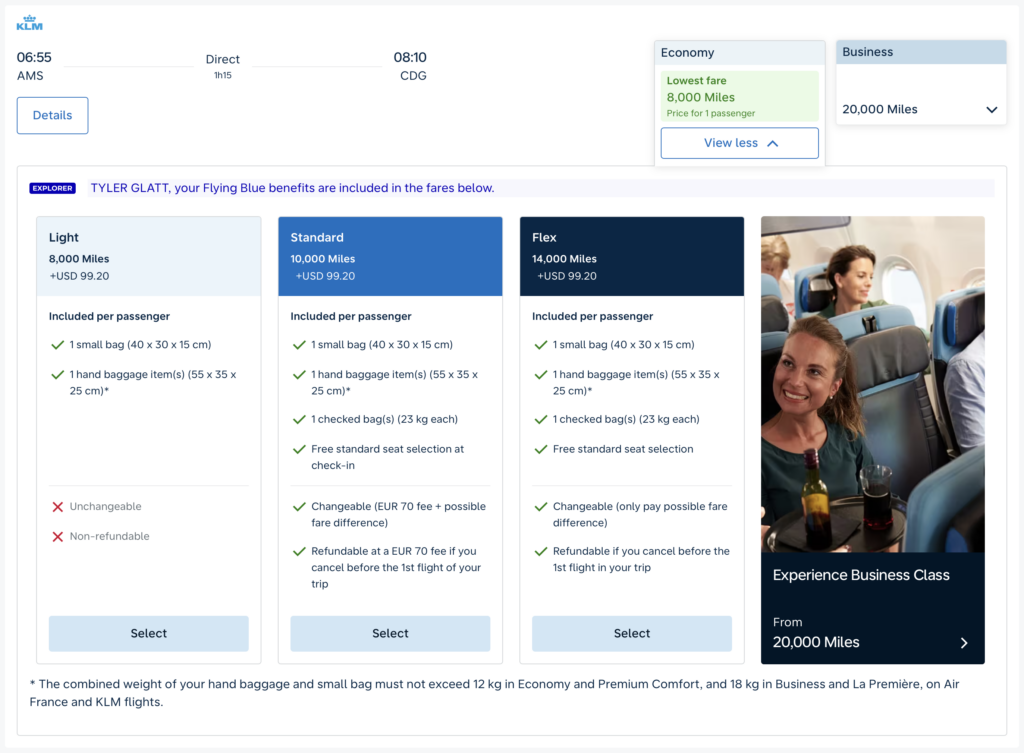
    A short economy flight from Amsterdam (AMS) to Paris (CDG) gives a good idea of how the new pricing works.

    AwardMilesTaxes and Fees
    Light8,000$99.20
    Standard10,000$99.20
    Flex14,000$99.20
    Award pricing on a KLM flight from AMS to CDG.
    KLM.COM

    Light costs 8,000 miles but doesn’t include a checked bag. It also can’t be changed or refunded.

    For another 2,000 miles, Standard adds a checked bag and free standard seat selection at check-in. Changes and refunds are allowed for €70, with any fare difference also due when changing a flight.

    Flex costs 14,000 miles. It adds advance standard seat selection and removes the change and refund fees.

    On a short flight like this, the differences are relatively easy to weigh. Light saves 6,000 miles over Flex but comes with far fewer options if plans change. Standard splits the difference at 10,000 miles.

    Long-haul awards are where the gaps start getting larger.

    More on This: Can You Cancel an Award Ticket and Get Your Miles Back?

    The Price Differences Can Get Pretty Big

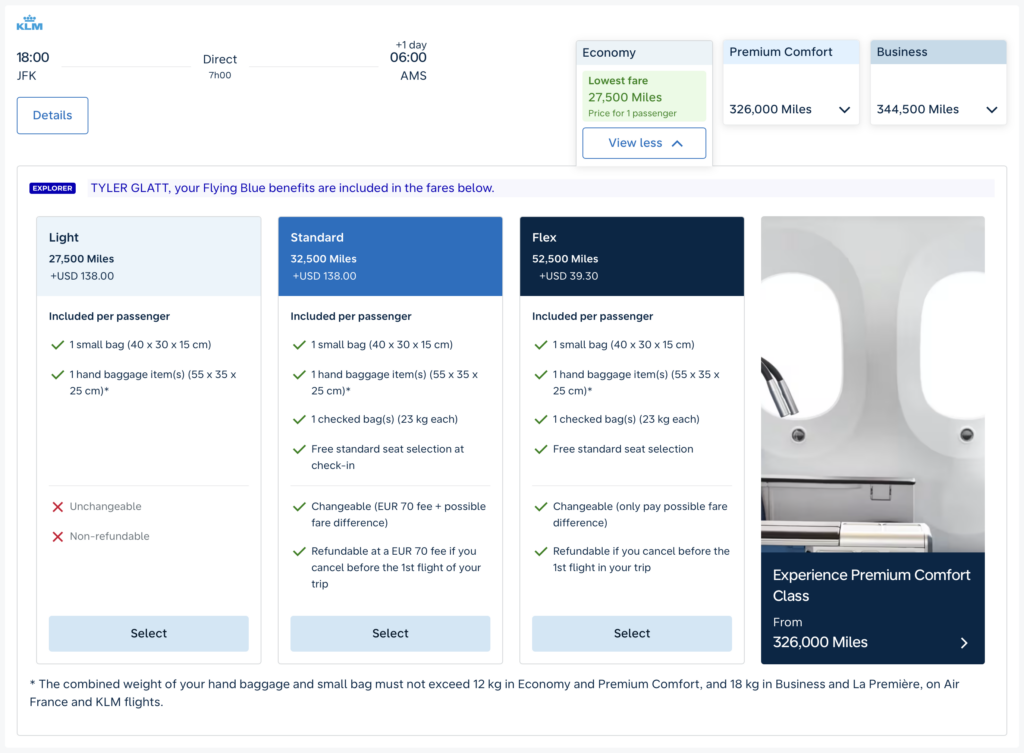
    A KLM economy flight from New York (JFK) to Amsterdam (AMS) shows just how far apart the three options can get.

    The Light award starts at 27,500 Flying Blue miles.

    AwardMilesTaxes and Fees
    Light27,500$138
    Standard32,500$138
    Flex52,500$39.30
    Award pricing on a KLM flight from JFK to AMS.
    KLM.COM

    Light saves 5,000 miles compared with Standard, but there’s no checked bag and no option to change or refund the ticket.

    Standard adds the checked bag and allows changes and refunds for €70.

    Flex is a much bigger jump at 52,500 miles. That’s another 20,000 miles over Standard for the same economy seat.

    There’s something else happening with the price, though. The cash portion drops from $138 to $39.30.

    That’s by design. Flying Blue said when it announced the changes that Flex awards would come with a lower mandatory cash contribution.

    So the choice isn’t always between spending fewer or more miles for extra flexibility. On some awards, it’s also a choice between spending more miles or more cash.

    Business Light Comes With an Even Bigger Catch

    The biggest tradeoff might be in business class.

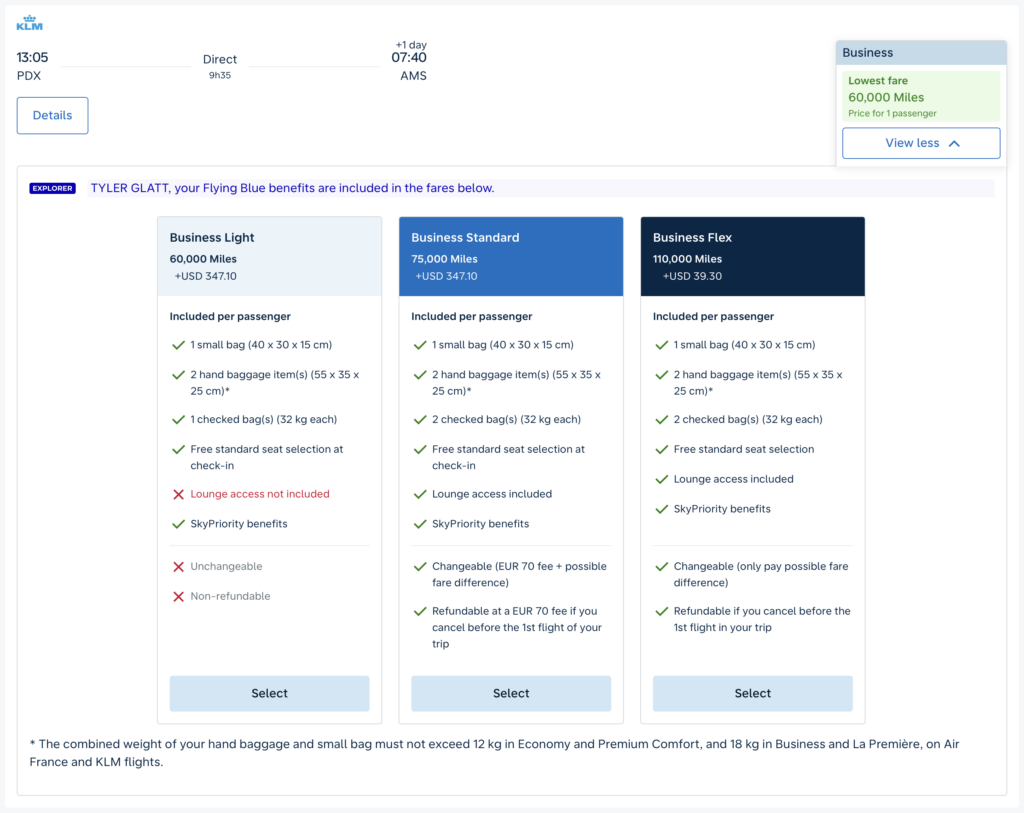
    Business Light still includes the business class seat, SkyPriority, two carry-ons, one checked bag weighing up to 32 kilograms, and standard seat selection at check-in.

    But lounge access isn’t included.

    That’s a notable change for anyone accustomed to thinking of lounge access as part of the business class experience on Air France or KLM.

    Here’s how the three options priced on a flight from Portland (PDX) to Amsterdam (AMS):

    AwardMilesTaxes and Fees
    Business Light60,000$347.10
    Business Standard75,000$347.10
    Business Flex110,000$39.30
    Award pricing on a KLM flight from PDX to AMS.
    KLM.COM

    Business Light saves 15,000 miles compared with Standard, but lounge access isn’t the only thing missing. Light includes one checked bag instead of two, and the award can’t be changed or refunded.

    Standard costs 75,000 miles and brings those benefits back. Lounge access and a second checked bag are included, while changes and refunds cost €70.

    Business Flex goes all the way to 110,000 miles. It includes advance standard seat selection, two checked bags, lounge access, and changes and refunds without a fee.

    The cash difference is notable, too. Light and Standard both require $347.10. Flex requires just $39.30.

    That’s more than $300 less out of pocket, but it comes at the cost of another 35,000 miles over Standard.

    Flying Blue Status Can Change the Equation

    Flying Blue status can make some of these choices look different.

    Status benefits still apply regardless of which award tier is booked. That includes benefits such as additional baggage allowances and waived change and refund fees where applicable.

    Flying Blue even accounts for this on the booking page, showing applicable status benefits above the Light, Standard, and Flex options.

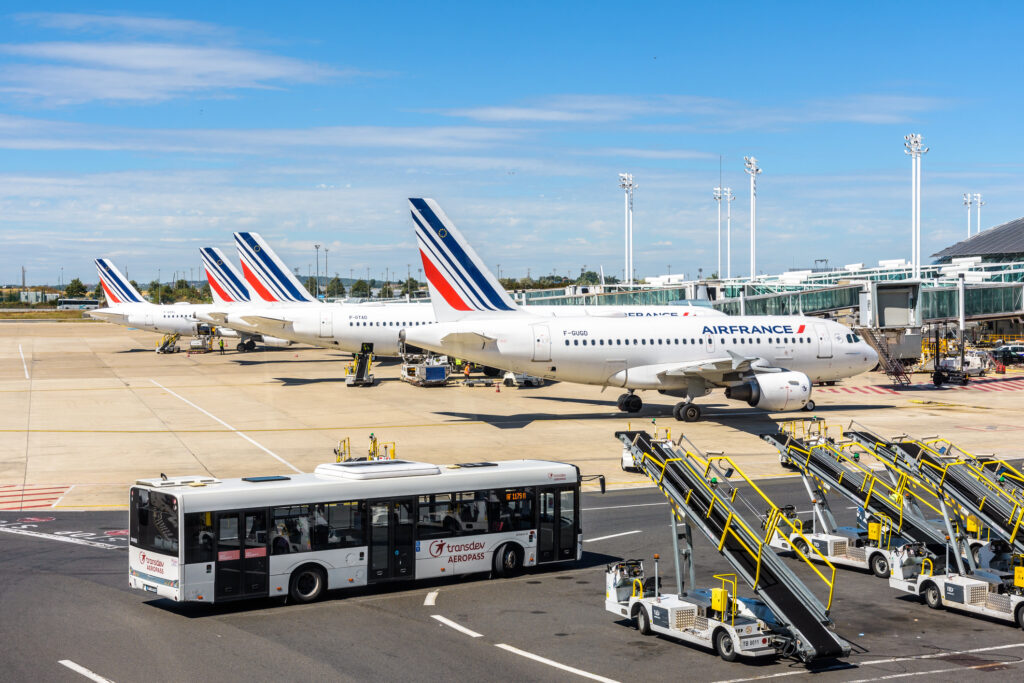
    Roissy-en-France, France - July 27, 2020: A shuttle bus is driving on Paris-Charles de Gaulle Airport between belt loaders and Air France airliners stationing on the apron area by the Terminal 2F.
    OLRAT / ISTOCK

    For someone with status, that could make a cheaper Light award more attractive. If an existing status benefit already covers something Light leaves out, spending more miles on Standard or Flex may not add as much.

    Without status, there’s more reason to look closely at what’s included before going with the lowest mileage price.

    More on This: I Want to Travel With Points. Where Do I Start?

    More Options Come With More to Consider

    Flying Blue miles are relatively easy to earn without flying Air France or KLM. The program partners with American Express Membership Rewards, Capital One miles, Chase Ultimate Rewards, and Citi ThankYou Rewards, among others.

    That’s a big part of what makes Flying Blue useful. Points already sitting in one of those programs can be transferred when an award comes along.

    That hasn’t changed. But redeeming those miles on Air France and KLM now comes with a few more things to consider.

    Light can save a meaningful number of miles, but it can also mean no checked bag, no changes or refunds, and even no lounge access in business class. Standard adds many of those benefits back. Flex can require substantially more miles, but comes with fewer restrictions and a lower cash contribution.

    The 60,000-mile Business Light example sums up the tradeoff pretty well. Saving 15,000 miles over Standard is meaningful. So is giving up lounge access, a second checked bag, and the ability to change or cancel the trip.

    The cheapest Flying Blue award may still be the one worth booking. It’s just no longer the only number worth looking at.

  • Air Canada Adds 5 New International Destinations for 2027

    Air Canada Adds 5 New International Destinations for 2027

    Air Canada is planning a major international expansion for next summer.

    On September 3, it announced that it plans to add five destinations to its network and launch seven new routes across Europe, Asia, and Latin America.

    The additions touch all three of Air Canada’s major hubs in Toronto (YYZ), Montréal (YUL), and Vancouver (YVR). And several of the new routes will put the airline’s growing Airbus A321XLR fleet to work on thinner routes across the Atlantic.

    All of the new flights are already on sale for travel in 2027.

    Air Canada’s New International Routes for 2027

    Five destinations are completely new to Air Canada’s network.

    From Toronto, Air Canada will add seasonal flights to Oslo (OSL), Shannon (SNN), and Nice (NCE). Montréal gets new seasonal service to Basel (BSL) and Dubrovnik (DBV), while Vancouver will get a new year-round route to Guangzhou (CAN).

    RouteStartsAircraft
    Vancouver (YVR) → Guangzhou (CAN)May 4Boeing 787
    Toronto (YYZ) → Oslo (OSL)June 2Airbus A321XLR
    Toronto (YYZ) → Shannon (SNN)June 10Airbus A321XLR
    Toronto (YYZ) → Nice (NCE)June 16Airbus A330-300
    Montréal (YUL) → Dubrovnik (DBV)May 11Boeing 787
    Montréal (YUL) → Basel (BSL)June 16Airbus A321XLR

    Air Canada is also bringing back its Toronto to London Heathrow (LHR) daytime flight. This will give it seven new routes in total.

    There are several other schedule changes coming. Toronto to Shanghai (PVG) will increase to daily service, while Toronto to Guatemala City (GUA) will become year-round.

    Air Canada is also extending its Montréal flights to Tenerife (TFS), Lima (LIM), and Guatemala City to operate year-round.

    The A321XLR Is Opening New Doors

    Three of Air Canada’s five new destinations will be served by the Airbus A321XLR.

    That’s notable because the XLR is much smaller than the widebody aircraft traditionally used for long-haul international flying. Its range allows Air Canada to connect cities across the Atlantic without committing a Boeing 787 or another large aircraft to the route.

    For 2027, that means Toronto gets nonstop flights to Oslo and Shannon, while Montréal gets a new connection to Basel. The aircraft will have two cabins, including Air Canada Signature Class with lie-flat seats.

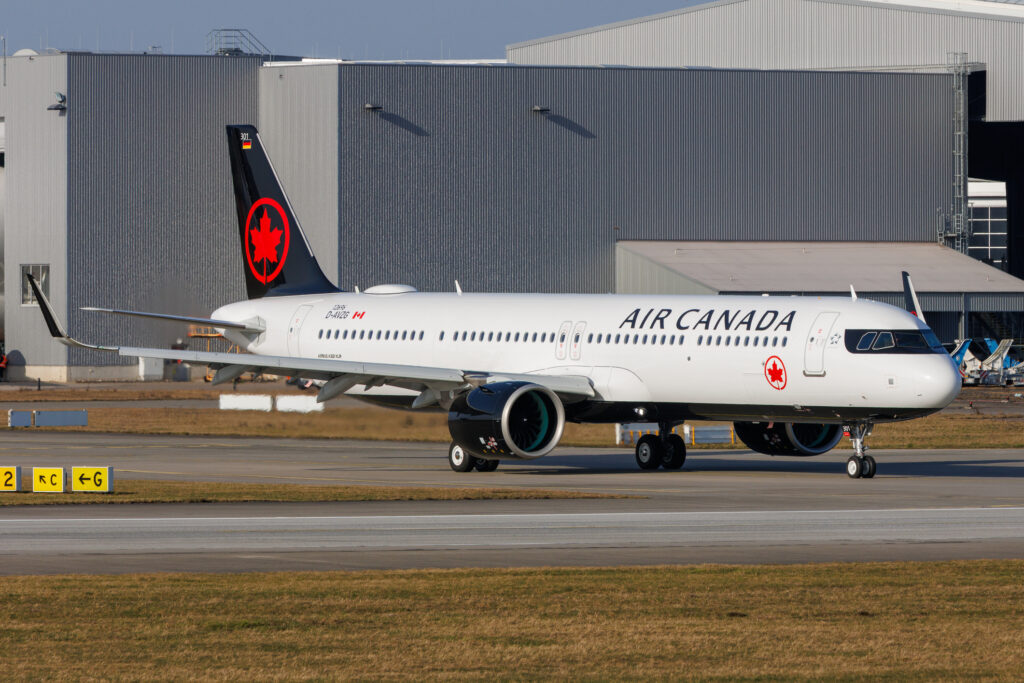
    The first Airbus A321XLR for Air Canada C-GXLR at Hamburg Finkenwerder airport
    ANTONIO PIRRO / ISTOCK

    This is a strategy we’re seeing play out elsewhere, too. American and United both announced new international routes in August for next summer that will make use of their own A321XLR fleets.

    And Air Canada isn’t done expanding. The airline says more network announcements are coming and teased that details about its first Boeing 787-10 routes will be revealed in the coming months.

  • Southwest Is Going Premium With Airport Lounges and a New Credit Card

    Southwest Is Going Premium With Airport Lounges and a New Credit Card

    Southwest Airlines is getting into the airport lounge business for the first time, and a new premium credit card is coming with it.

    The airline announced Wednesday that it plans to build a network of Southwest-branded lounges in partnership with Chase. The first four locations are expected to open in late 2027.

    And Southwest isn’t stopping there.

    The airline says at least seven additional lounges are planned over the following several years. This will put its initial network at 11 or more locations.

    It goes without saying that these developments are another massive shift for Southwest, which has changed a lot about its experience in recent years. The airline has introduced assigned seating and extra-legroom seats, ended its long-standing two-free-checked-bags policy for most customers, and increasingly added products aimed at customers willing to pay more for their trip.

    Now, that experience will extend into the airport.

    Southwest’s First Lounges Are Coming to 4 Airports

    Construction is already underway on Southwest’s first four lounges at:

    • Austin-Bergstrom International Airport (AUS)
    • Baltimore/Washington International Thurgood Marshall Airport (BWI)
    • Daniel K. Inouye International Airport (HNL)
    • Nashville International Airport (BNA)

    Southwest expects to begin welcoming guests in late 2027, though it hasn’t provided opening dates for the individual locations.

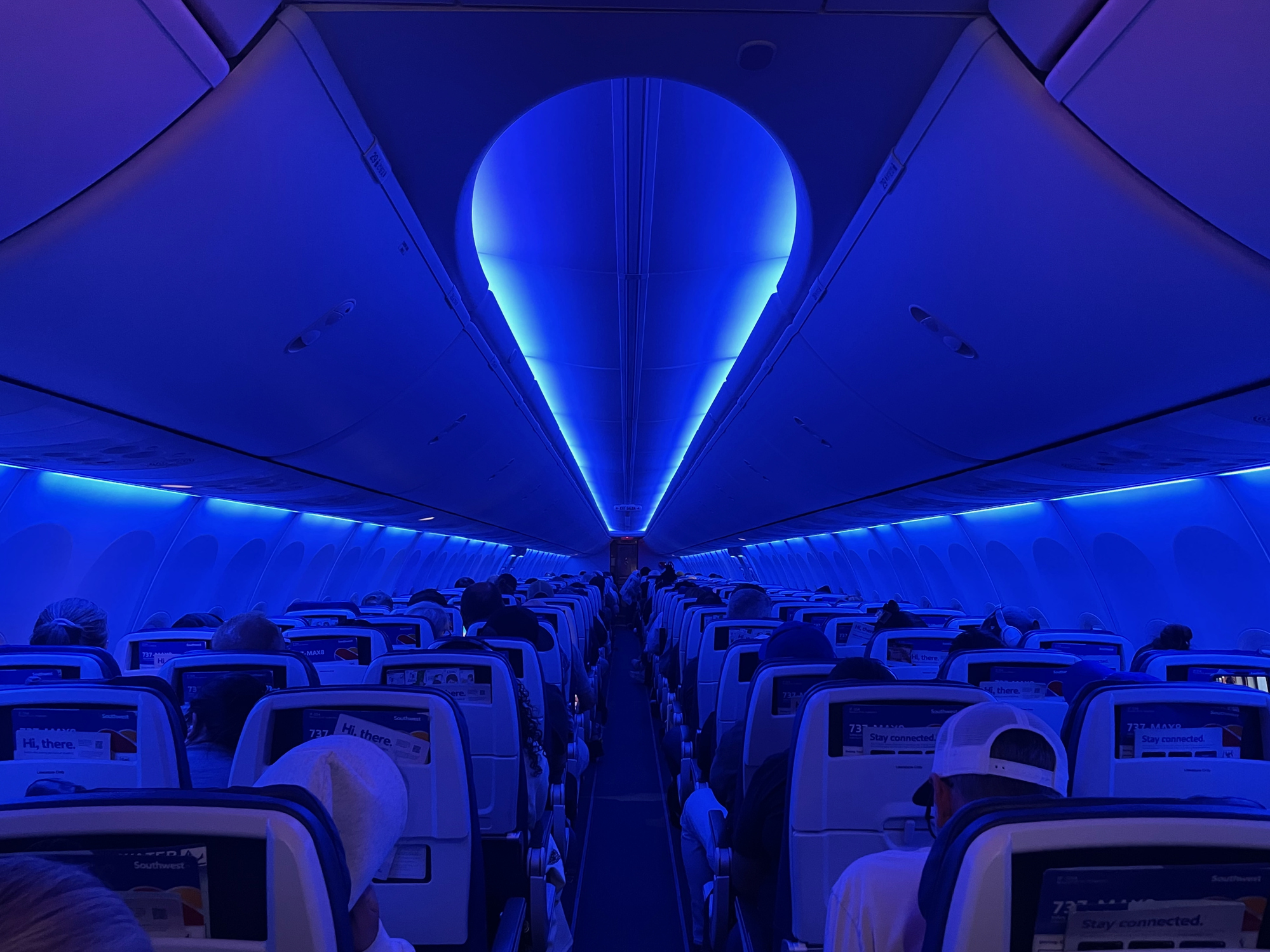
    Denver, Colorado, USA - June 7, 2025: Passengers on a Southwest Airlines Boeing 737-MAX8 aircraft settle in during a flight from Denver International Airport (DEN) to Washington Dulles International Airport (IAD) in Virginia.
    JOHN CHASE / ISTOCK

    The airline is working with Chase on the lounges and plans to draw on the bank’s existing Chase Sapphire Lounge network. Southwest says the spaces will combine its own approach to hospitality with locally inspired dining, more sophisticated design, and amenities and travel benefits already found in Chase’s lounges.

    For now, that’s about as specific as Southwest is getting.

    The airline hasn’t revealed the size or exact location of the first lounges, what amenities each will offer, or where the next seven or more locations will be. We don’t have renderings yet, either.

    The initial airport choices do offer a sense of where Southwest is starting. Austin, Baltimore, Honolulu, and Nashville are all significant Southwest markets.

    And with at least 11 lounges now in the pipeline, this is intended to become a network rather than a handful of experiments.

    A New Premium Southwest Credit Card Is Coming, Too

    Southwest will also introduce a new premium Rapid Rewards credit card from Chase in 2027. The card is slated to provide access to the new lounges.

    That’s just about all we know about the card for now.

    Southwest hasn’t announced its annual fee, welcome offer, other benefits, or exactly how lounge access will work. We also don’t yet know whether there will be other ways to enter the lounges, including for customers with certain Southwest tickets or elite status.

    There are also some interesting questions about how the Southwest and Chase lounge networks will overlap.

    Southwest hasn’t said whether Chase Sapphire Reserve cardholders will receive access to Southwest lounges or whether holders of the new Southwest card will have any access to Chase Sapphire Lounges.

    Those details will come later. But the new card and lounge network indicate that Southwest is continuing its push to offer more to customers willing to pay for a premium experience.