Category: Travel

Practical travel content beyond loyalty programs, including airport and lounge guides, destination inspiration, trip planning, travel experiences, and general travel advice.

  • 5 Hotel Promotions Worth Knowing About This Fall

    5 Hotel Promotions Worth Knowing About This Fall

    Hotel promotions aren’t typically reasons on their own to book a trip. But when a stay is already on the calendar, registering for the right one can spell an easy opportunity to earn a few more points.

    Marriott, IHG, Hyatt, Hilton, and Wyndham all have promotions for stays this fall, ranging from a few thousand bonus points to 4X bonus points.

    Here’s what’s on offer.

    Marriott Bonvoy: Up to 4,500 Bonus Points Per Stay

    Marriott Bonvoy members can earn 1,500 bonus points on each eligible paid stay of at least two nights through November 22.

    If you stay at a participating resort, Marriott adds another 3,000 points. That brings the total to 4,500 bonus points per stay.

    There’s no limit to the number of qualifying stays, but registration is required by November 13. Only eligible paid stays completed after registering qualify, so it’s worth registering before the next Marriott stay rather than waiting until checkout.

    Points bookings don’t count for this one.

    Register for this Marriott Bonvoy promotion

    IHG One Rewards: Earn Up to 3X Points

    IHG One Rewards is offering up to 3X points on stays from October 1 through December 31.

    There’s a catch, though: the first qualifying stay doesn’t earn any bonus points.

    Starting with the second stay, members earn 2X points when booking through an IHG direct channel. If you book through the IHG app, WeChat, or LINE instead, that increases to 3X points instead.

    There’s no cap on the number of bonus points that can be earned.

    Registration is required, and stays completed before registering don’t count. That makes this one worth registering for before the first IHG stay of the promotion, even though the extra points don’t start until stay number two.

    Register for this IHG One Rewards promotion

    World of Hyatt: 3,000 Points for Every 3 Nights

    World of Hyatt members can earn 3,000 bonus points for every three eligible nights after registering, up to a maximum of 36,000 bonus points.

    Participating Hyatt hotels and resorts count, along with participating Mr & Mrs Smith properties, The Venetian Resort, and Homes & Hideaways by World of Hyatt.

    There’s another useful difference here: points stays do count. An eligible night can be booked with an eligible paid rate or a free night award.

    The bonus starts with the first eligible stay after registration.

    Register for this World of Hyatt promotion

    Hilton Honors: Up to 3,000 Bonus Points Per Stay

    Hilton’s More Points to Play promotion runs through December 31.

    Registered Hilton Honors members earn 3,000 bonus points per stay at participating luxury, lifestyle, and resort properties. Stays at other Hilton properties earn 1,000 bonus points.

    There’s no overall cap on the number of bonus points one can earn.

    This promotion rewards stays rather than nights, which makes shorter stays particularly interesting. Three separate one-night stays at eligible luxury, lifestyle, or resort properties, for example, would earn 9,000 bonus points.

    Registration is required before completing a qualifying stay.

    Register for this Hilton Honors promotion

    Wyndham Rewards: Earn 4X Points

    Wyndham Rewards members can earn 4X points on qualifying stays this fall, with up to 15,000 bonus points available through this promotion.

    There’s a little more time to use this one. Stays must be booked directly with Wyndham by January 15, 2027, and completed by January 19.

    Wyndham says 15,000 points is enough for as many as three free nights at the more than 1,000 properties in its new 5,000-point redemption tier.

    Registration is required before booking.
    Register for this Wyndham Rewards promotion

  • Atmos Rewards Is Adding New Ways to Earn, Family Benefits, and Bank Transfers

    Atmos Rewards Is Adding New Ways to Earn, Family Benefits, and Bank Transfers

    Atmos Rewards is on the verge of becoming a lot more customizable.

    Starting October 1, members will be able to choose how they earn points and status points on flights, join new groups that unlock benefits based on how they travel, and get several new perks.

    And there’s considerably more coming in 2027.

    Alaska Air Group announced a broad expansion of Atmos Rewards on Tuesday, September 29, including a new debit card and the ability to transfer points from eligible Bank of America cards. The latter could make Atmos Rewards points considerably easier to earn without flying Alaska or Hawaiian or spending on one of their cobranded credit cards.

    There’s a lot changing, and some of it takes effect this week.

    Atmos Rewards Members Can Choose How They Earn

    Starting October 1, Atmos Rewards members can select one of three ways to earn points and status points on flights: distance traveled, dollars spent, or segments flown.

    The choice will apply to flights departing January 1, 2027 or later.

    Existing members who don’t make a selection will continue earning based on distance, while new members joining January 1 or later will default to earning based on the price of the ticket. Members can change their selection once per calendar year for future flights.

    It’s an unusual amount of control for an airline loyalty program.

    Someone taking frequent short flights could choose to earn based on segments, while another member could stick with distance. Higher-spending members have the option of tying earnings to the price of their tickets instead.

    And earning is only one part of the customization Alaska is adding.

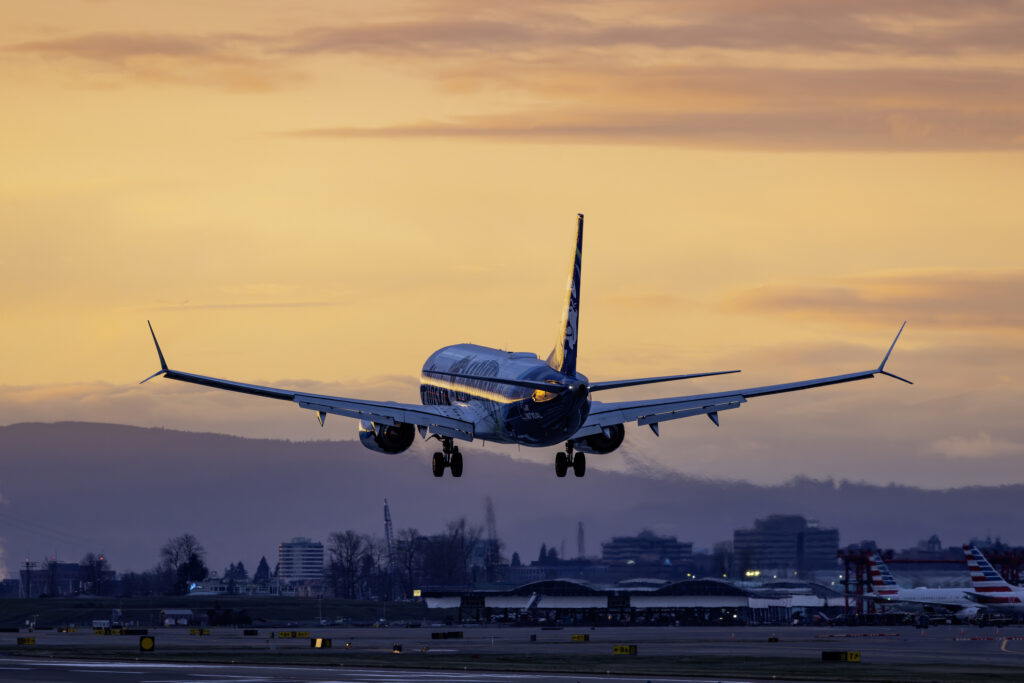
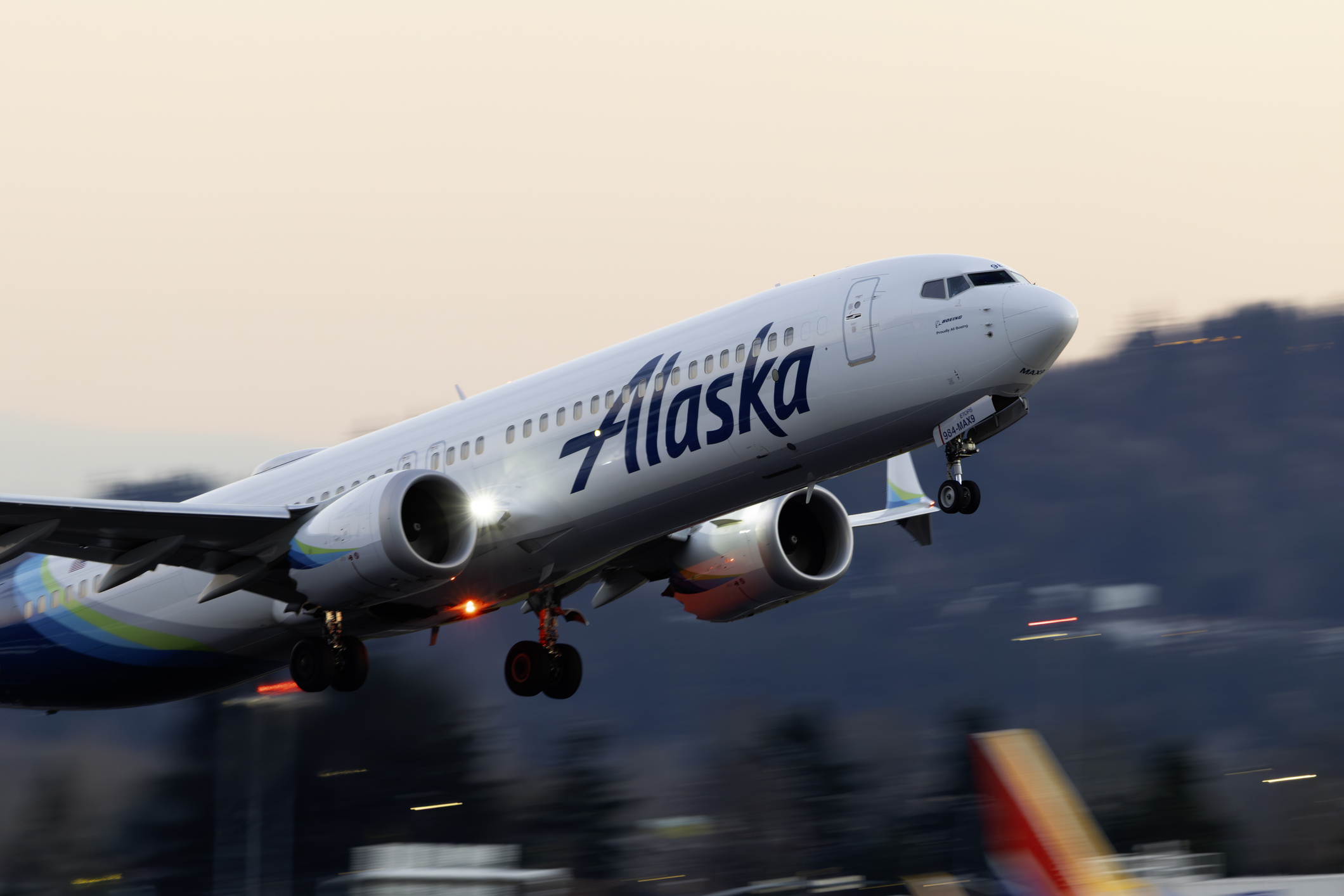
    Portland, Oregon, USA - March 2, 2025: An Alaska Airlines Boeing 737 MAX 9 lands at Portland International Airport at sunset.
    DAVEALAN / ISTOCK

    New Atmos Rewards Communities Come With Different Benefits

    Atmos Rewards is expanding its Communities program from two groups to six on October 1.

    Club 49 and Huakaʻi by Hawaiian, which are built around Alaska and Hawaii residents respectively, will be joined by Global Locals, Families on the Go, Culinary Journeys, and Active Escapes.

    Depending on the group, perks can include free checked bags, flight deals, bonus point challenges, partner offers, discounts on Atmos Rewards Unlocked experiences, bonus status points for international travel, and discounts on points bookings for children.

    The last one is particularly interesting for families, while the international status point bonuses give Atmos Rewards another way to reward members differently based on how they actually travel.

    Bank of America Points Will Become Transferable to Atmos Rewards

    One of the bigger changes isn’t arriving until 2027.

    Alaska says customers with eligible Bank of America cards will be able to transfer points directly into Atmos Rewards.

    There are still some important blanks. Alaska hasn’t said which Bank of America cards will participate, which rewards will be transferable, or what the transfer ratio will be.

    But the concept itself is notable.

    Bank of America already issues the Atmos Rewards credit cards. Allowing points from other eligible cards to transfer into Atmos Rewards would create another path into the program without requiring spending directly on an Atmos Rewards card.

    And Bank of America won’t necessarily be alone. Alaska says Atmos Rewards eventually plans to add points transfers from other select financial institutions around the world.

    An Atmos Rewards Debit Card Is Coming, Too

    Atmos Rewards is also moving beyond credit cards.

    A new Atmos Rewards debit card is planned for the first quarter of 2027, with preregistration open now. The card will earn Atmos Rewards points and status points on purchases, but Alaska is also teasing something less typical for a debit card: the ability to earn rewards on savings.

    Other announced benefits include an annual flight discount, discounts on flights and onboard purchases, free points sharing, no foreign transaction fees, and the ability to use points toward certain account fees.

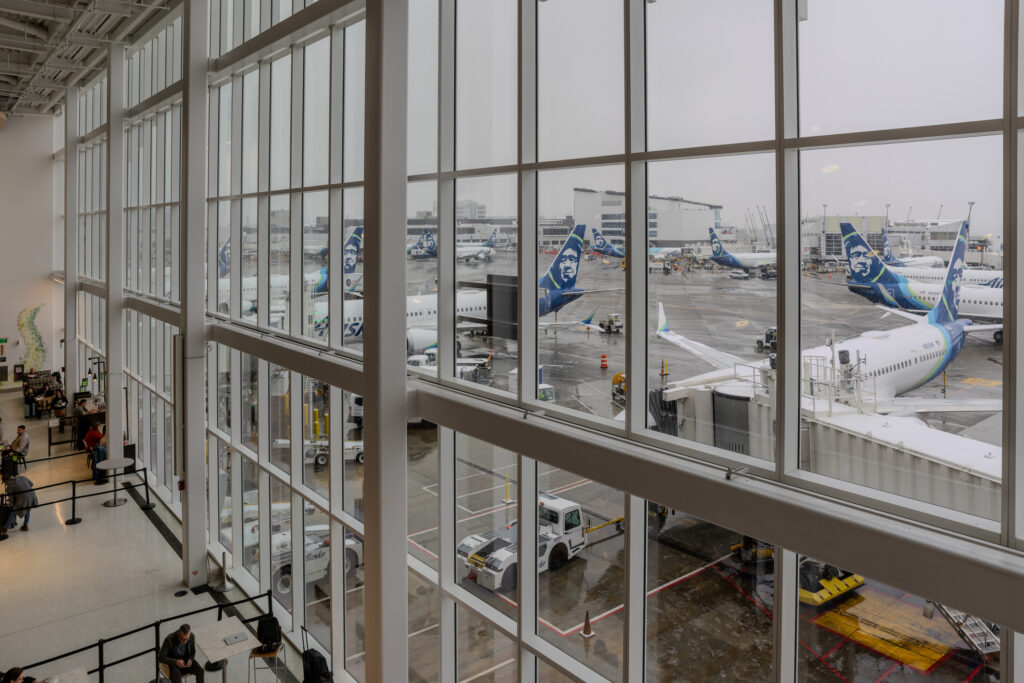
    Seattle, Washington - March 13, 2026:  It snowed all day in Seattle causing massive flight delay and cancellation at Sea-Tac Airport, as viewed from mezzanine in North Satallite.  HDR encoded
    MAK STUDIO / ISTOCK

    There aren’t many specifics yet about how earning on purchases or savings will work, or the value of the annual flight discount.

    There is, however, an incentive to register early. Atmos Rewards members who join the early access list by October 31 will receive a code for 20% off an eligible Alaska flight for travel from January 6 through March 10, 2027. Registration doesn’t open an account or guarantee eligibility for the debit card.

    The card will be issued by Cross River Bank and managed by Alviere rather than Bank of America, which issues the Atmos Rewards credit cards.

    There’s another card update coming sooner. Alaska plans to refresh its Atmos Rewards Visa Business Card later this year with lounge passes, free same-day confirmed flight changes, and 10X points on eligible purchases through Atmos Rewards for Business.

    More details are expected later this fall.

    More Benefits Are Coming for Platinum and Titanium Members

    Higher-tier Atmos Rewards members are getting another change beginning November 2.

    Platinum and Titanium members will be able to bring eligible children and one companion into Premium Class at no additional charge when space is available.

    Alaska has also introduced a dedicated Titanium check-in facility in Seattle and is offering Titanium members global upgrades into Alaska’s premium cabins.

    There’s a lot happening to Atmos Rewards at once, but the common thread is choice. Members can choose how they earn, join communities based on how they travel, and soon have more ways to earn or move points into the program.

    The Bank of America piece could be particularly important once Alaska fills in the missing details. For now, though, the first round of changes starts October 1.

  • Alaska Is Going Much More Premium With Lie-Flat 737s, New Cabins, and Huge Lounges

    Alaska Is Going Much More Premium With Lie-Flat 737s, New Cabins, and Huge Lounges

    Alaska Airlines has spent the last couple of years building a much bigger airline. Now it’s starting to show what it wants that airline to become in the years ahead.

    On Tuesday, September 29, Alaska Air Group announced new premium cabins for both Alaska and Hawaiian Airlines, a new premium economy product, and multiple major lounge projects. The changes will start arriving over the next couple of years as Alaska expands farther into Europe and Asia.

    There’s a lot here. But some of the more interesting changes isn’t happening on a long-haul Dreamliner.

    Alaska Is Putting Lie-Flat Seats on Some 737s

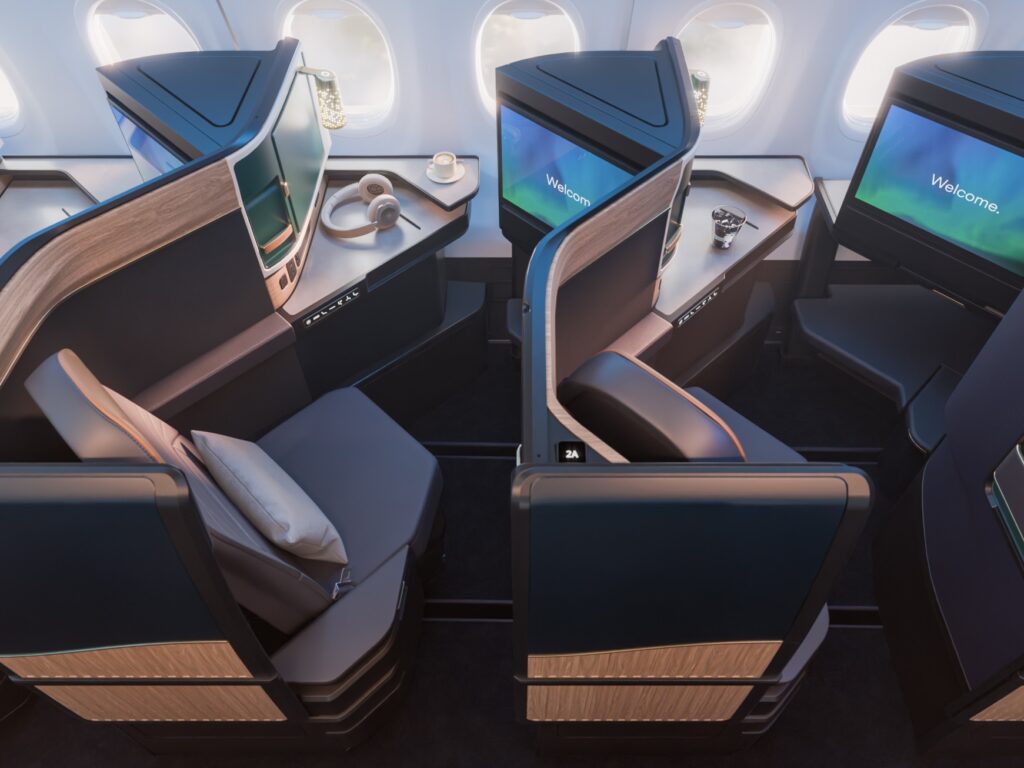
    Alaska’s new top-end product will be called Aurora Suites, and it’ll eventually appear on both the airline’s Boeing 787 Dreamliners and at least 25 new Boeing 737-10s.

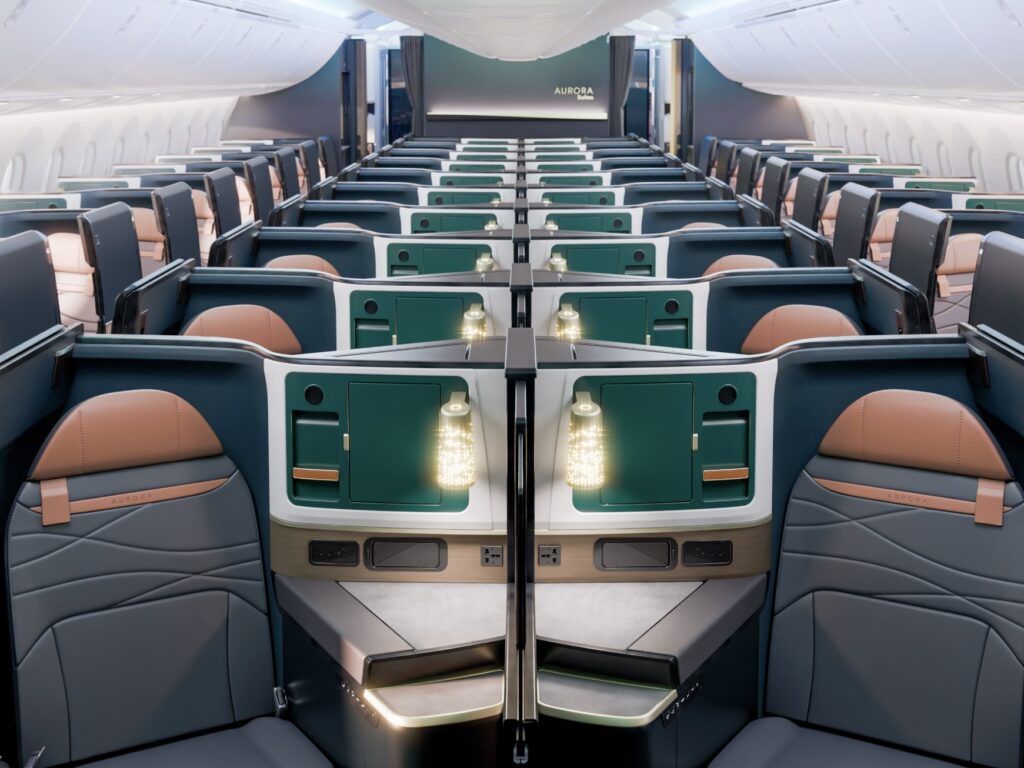
    The 787-9 will have 34 Aurora Suites with lie-flat beds, privacy doors, direct aisle access, 19-inch 4K screens, and upgraded dining. The updated aircraft will be about 46% premium seating, up from 38% today.

    Rendering of Alaska Airlines new 787 business class cabins.
    ALASKA AIRLINES

    The 737-10 is where things get more interesting.

    At least 25 will be configured with 12 lie-flat Aurora Suites. Alaska says they’ll be used on select transcontinental flights beginning in 2028, bringing lie-flat seats to the airline’s narrowbody fleet for the first time.

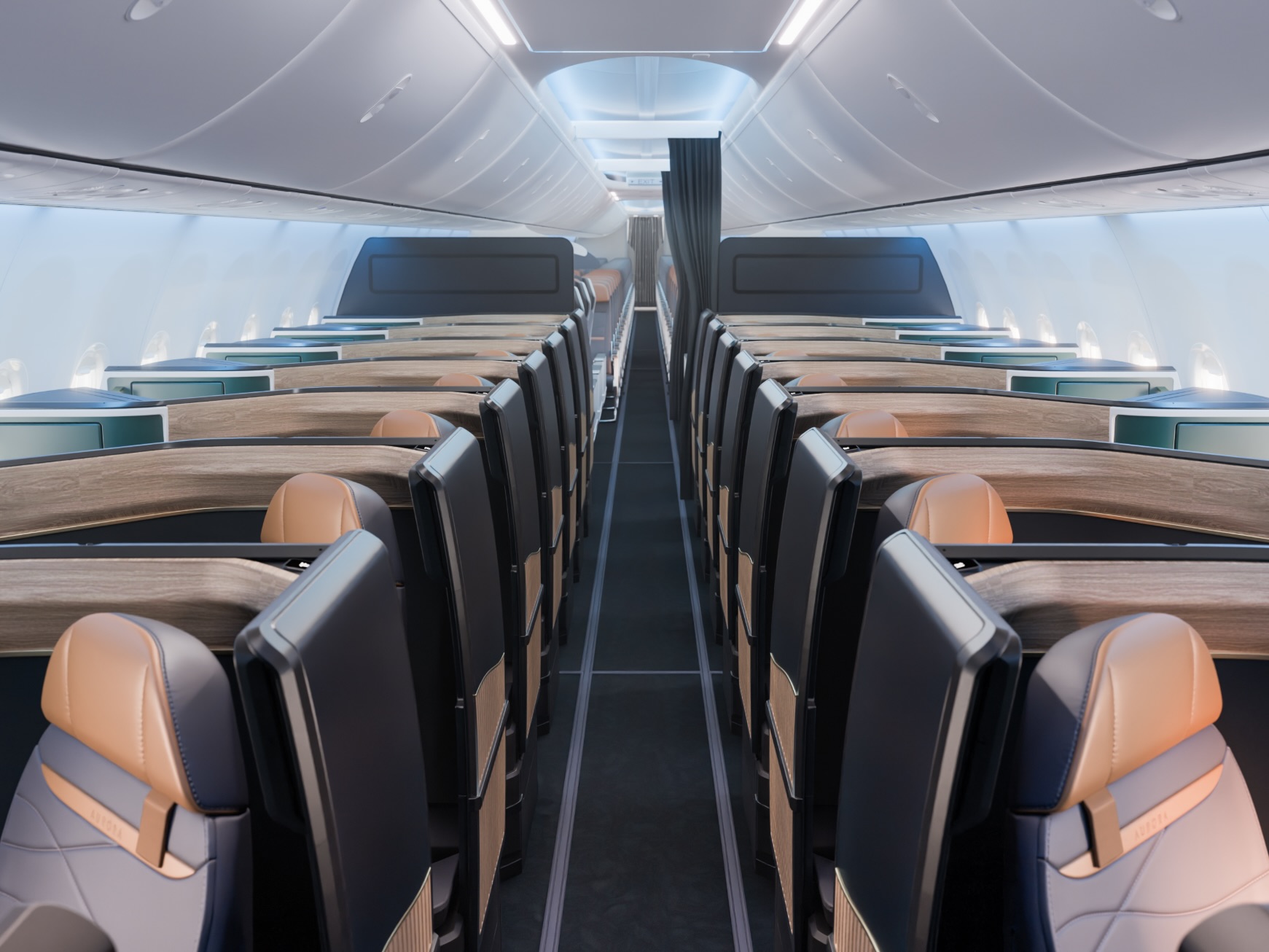
    Rendering of Alaska Airlines new business class cabins.
    ALASKA AIRLINES

    These won’t exactly blend into the rest of Alaska’s 737 fleet. They’ll wear the same northern lights-inspired Aurora livery as the 787s and add another 12 Premium Reserve seats behind the suites.

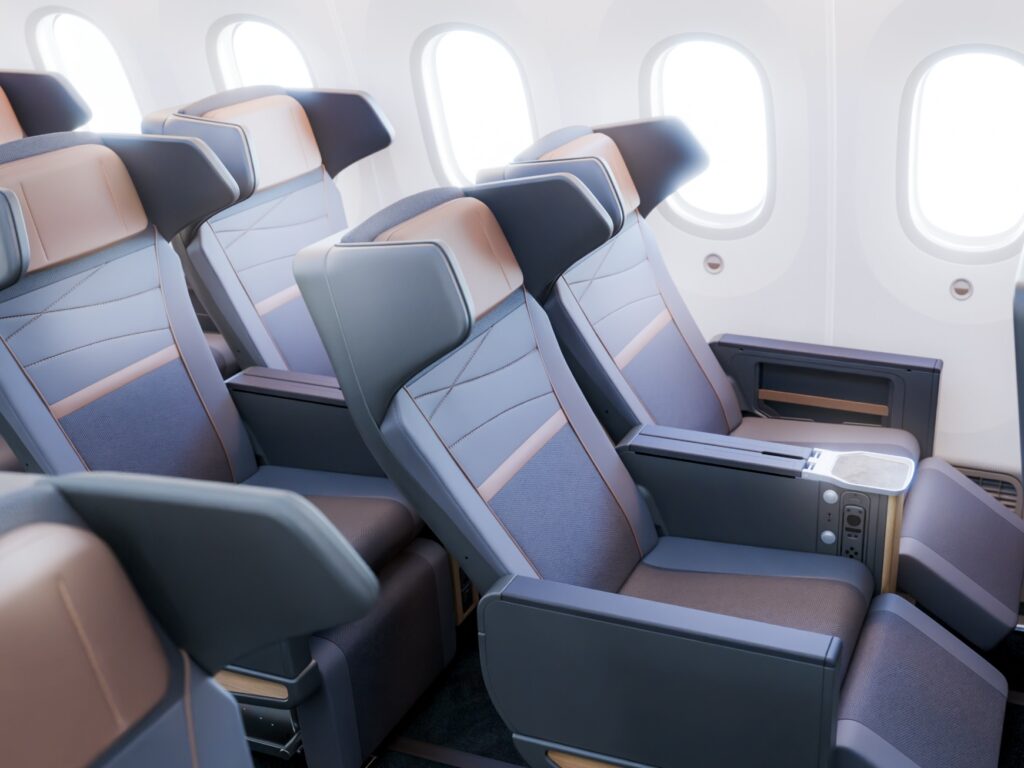
    Premium Reserve is Alaska’s new premium economy cabin, sitting above the extra-legroom economy seats it currently sells as Premium Class. Seats will have 38 inches of pitch, more recline, leg and calf rests, 16-inch 4K screens, and upgraded dining.

    There will be 35 Premium Reserve seats on Alaska’s 787s, 28 on Hawaiian’s A330s, and 12 on the specially configured 737-10s. The seats go on sale next summer before entering service in 2028.

    Rendering of Alaska Airlines new premium economy cabins.
    ALASKA AIRLINES

    The Aurora experience won’t start at the airplane, either. Suite passengers will get dedicated check-in and concierge service in Seattle, access to a separate Aurora Lounge, and upgraded onboard dining. Complimentary Starlink Wi-Fi will also be available to Atmos Rewards members.

    Put it all together and Alaska is creating a pretty unusual 737, with lie-flat suites and premium economy ahead of its existing Premium Class and Main Cabin.

    Hawaiian’s A330s Are Getting Rebuilt Too

    Hawaiian isn’t getting the same cabin with a different logo.

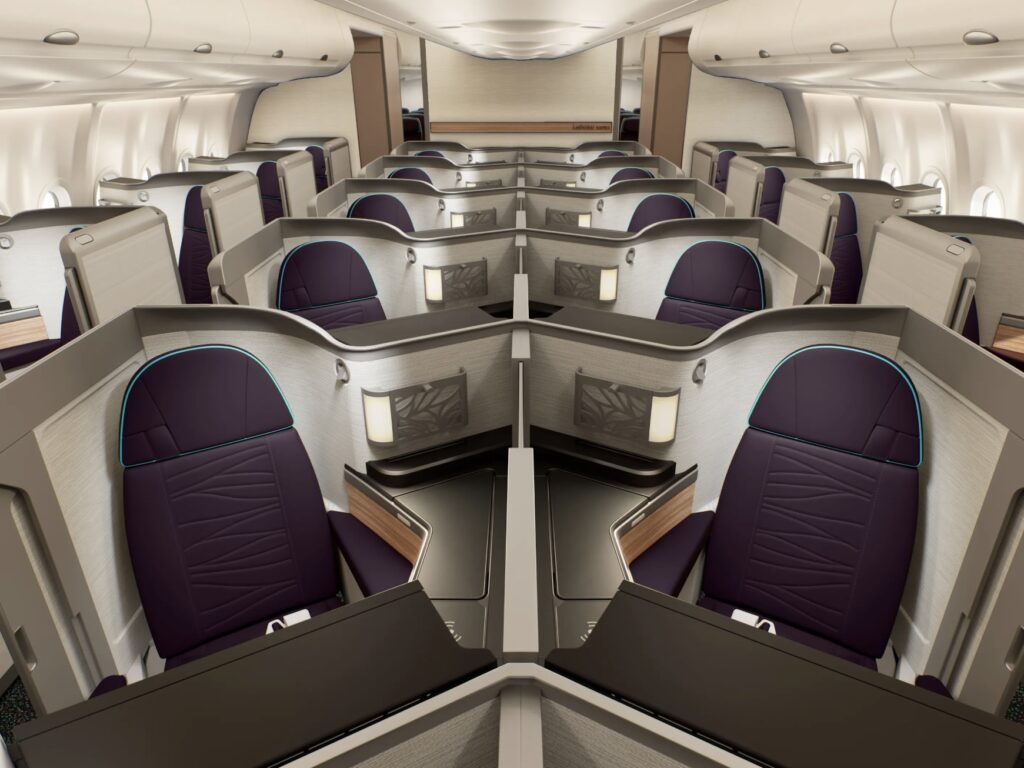
    Its fleet of 24 Airbus A330s will receive completely new interiors beginning in 2028, including 22 new Leihōkū Suites. They’ll have lie-flat seats with privacy doors and direct aisle access, along with 19-inch 4K screens, hotel-quality bedding, and upgraded dining.

    Rendering of Hawaiian Airlines new A330 business class cabins.
    ALASKA AIRLINES

    Another 28 seats will be Premium Reserve.

    Altogether, about 40% of the A330 will be premium seating, up from 30% today. The rest of the airplane is getting attention too, with new interiors throughout and upgraded entertainment with 4K screens and Bluetooth connectivity.

    The Leihōkū experience will also include dedicated check-in and concierge service in Honolulu and Seattle.

    Keeping Aurora and Leihōkū separate is also intentional. Alaska and Hawaiian are increasingly becoming one airline behind the scenes, but the company is still trying to preserve what makes the two brands distinct.

    That extends to the food. Seattle chef Renee Erickson will develop menus for Alaska’s European flights, including London, Rome, Athens, and Paris, while James Beard Award-winning chef Brady Ishiwata Williams will handle routes to Asia. Hawaiian will continue building its menus around local chefs and ingredients.

    Seattle Is Getting a 41,000-Square-Foot Lounge Complex

    The premium push starts well before boarding.

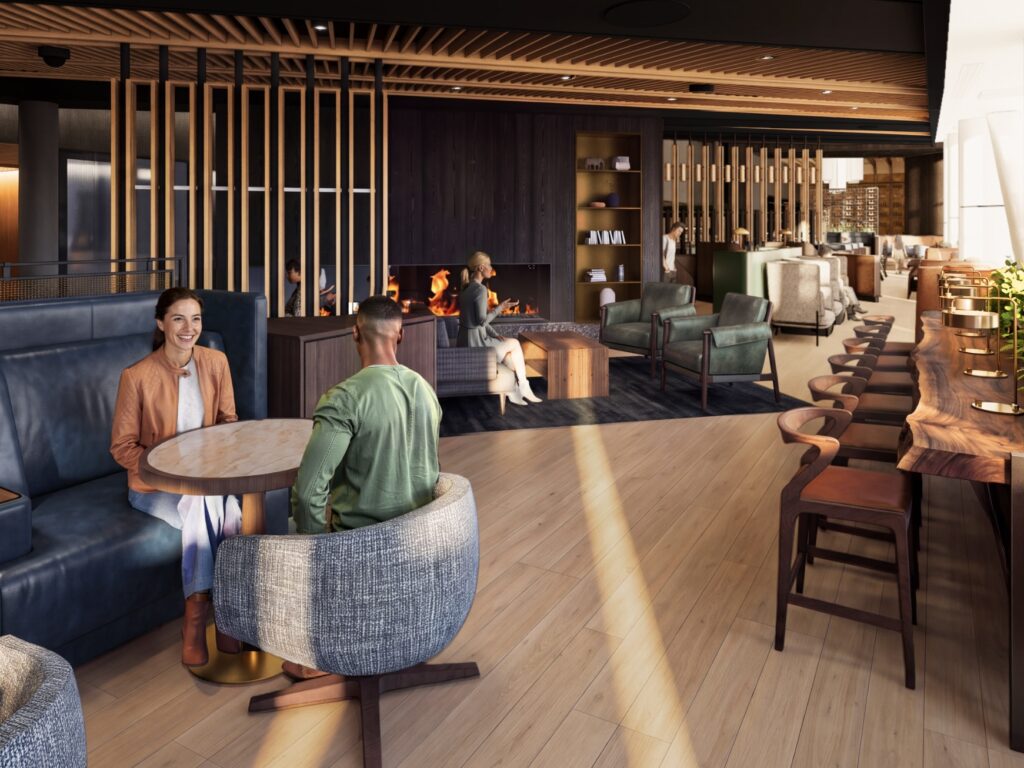
    Alaska plans to open a nearly 41,000-square-foot lounge complex in Seattle’s expanded C Concourse in late 2027. The airline says it’ll be Seattle-Tacoma International Airport’s largest lounge and one of the largest in the country.

    Rendering of Alaska Airlines new lounge at SEA.
    ALASKA AIRLINES

    It’s actually two connected lounges.

    A 500-seat Alaska Lounge will occupy the main level and follow Alaska’s existing access policies. A separate 200-seat Aurora Lounge will be reserved for Aurora Suites passengers traveling on intercontinental flights.

    The complex will have an outdoor patio with a fireplace, private work pods, three bars, a pizza oven, and what Alaska calls a coffee lab.

    The Aurora side goes further with private showers, wellness spaces, made-to-order food, à la carte dining, and tableside service.

    Hawaiian is getting a substantial lounge of its own. A nearly 13,000-square-foot, 200-seat lounge is scheduled to open in Honolulu in early 2028. Alaska also plans a new 14,000-square-foot lounge in San Diego that year.

    Rendering of new Alaska Airlines/Hawaiian Airlines lounge at HNL.
    ALASKA AIRLINES

    All of this starts to make more sense alongside where Alaska wants to fly.

    The company currently serves seven intercontinental destinations and plans to reach at least 15 by 2030. Long-haul flying is expected to grow from about 8% of capacity today to roughly 15% by then.

    Premium is becoming a bigger part of the business, too. Alaska expects premium revenue to grow from 35% to more than 40% of total revenue by 2030.

  • 3 New Europe Flights to Book With Points This Week

    3 New Europe Flights to Book With Points This Week

    American, Delta, and United are all adding new transatlantic flights next year. And a look at the schedules and current pricing turned up three worth knowing about this week, including a trip to Portugal from just 21,000 miles.

    Boston to Porto From 21,000 American Miles

    American is adding a new flight from Philadelphia (PHL) to Porto (OPO) next year, one of several new routes that will use its Airbus A321XLR.

    But Philadelphia doesn’t have to be the starting point to get that price.

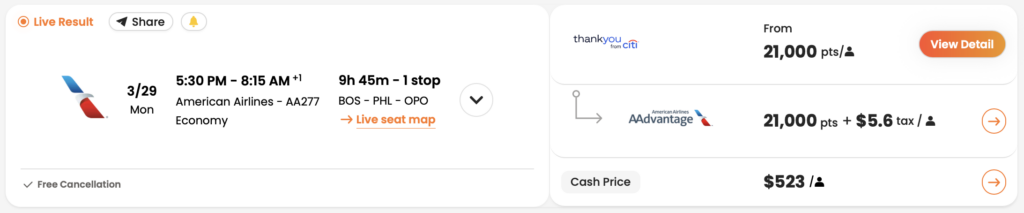
    American Airlines award from BOS to OPO shown in PointsYeah.
    POINTSYEAH

    On March 29, for example, American is selling an itinerary from Boston (BOS) to Porto for 21,000 AAdvantage miles plus $5.60 in economy. The trip connects in Philadelphia before continuing on American’s new nonstop to Portugal.

    Change the date to April 4, and the same 21,000-mile price is available out of Los Angeles (LAX).

    This route inaugurates on March 28.

    Newark to Luxembourg From 36,000 United Miles

    United’s new flight from Newark (EWR) to Luxembourg (LUX) is one of the more unusual additions to next summer’s transatlantic map.

    It’s already bookable with MileagePlus miles, too.

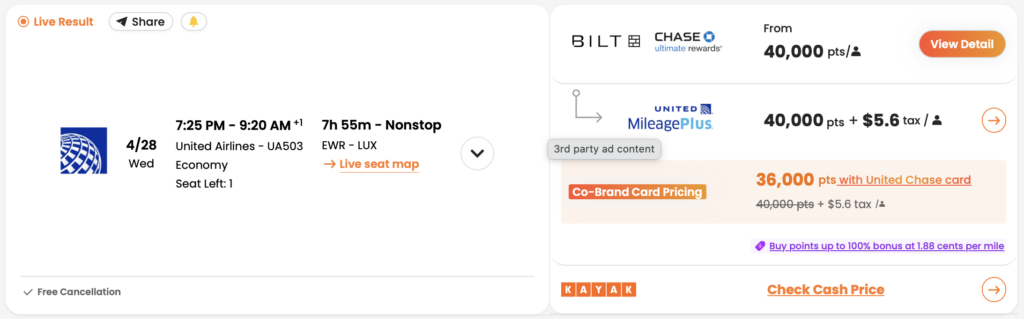
    United Airlines award from EWR to LUX shown in PointsYeah.
    POINTSYEAH

    On April 28, the nonstop costs 40,000 United miles plus $5.60 in economy. Eligible United cardholders can book the same flight for 36,000 miles plus $5.60.

    Luxembourg probably isn’t the first airport that comes to mind for a trip to Europe. But its location is part of the appeal. The country borders France, Germany, and Belgium, putting the new nonstop within easy reach of several places that might otherwise require a connection anyway.

    This route takes off on on April 2.

    Detroit to Athens From 29,700 Delta Miles

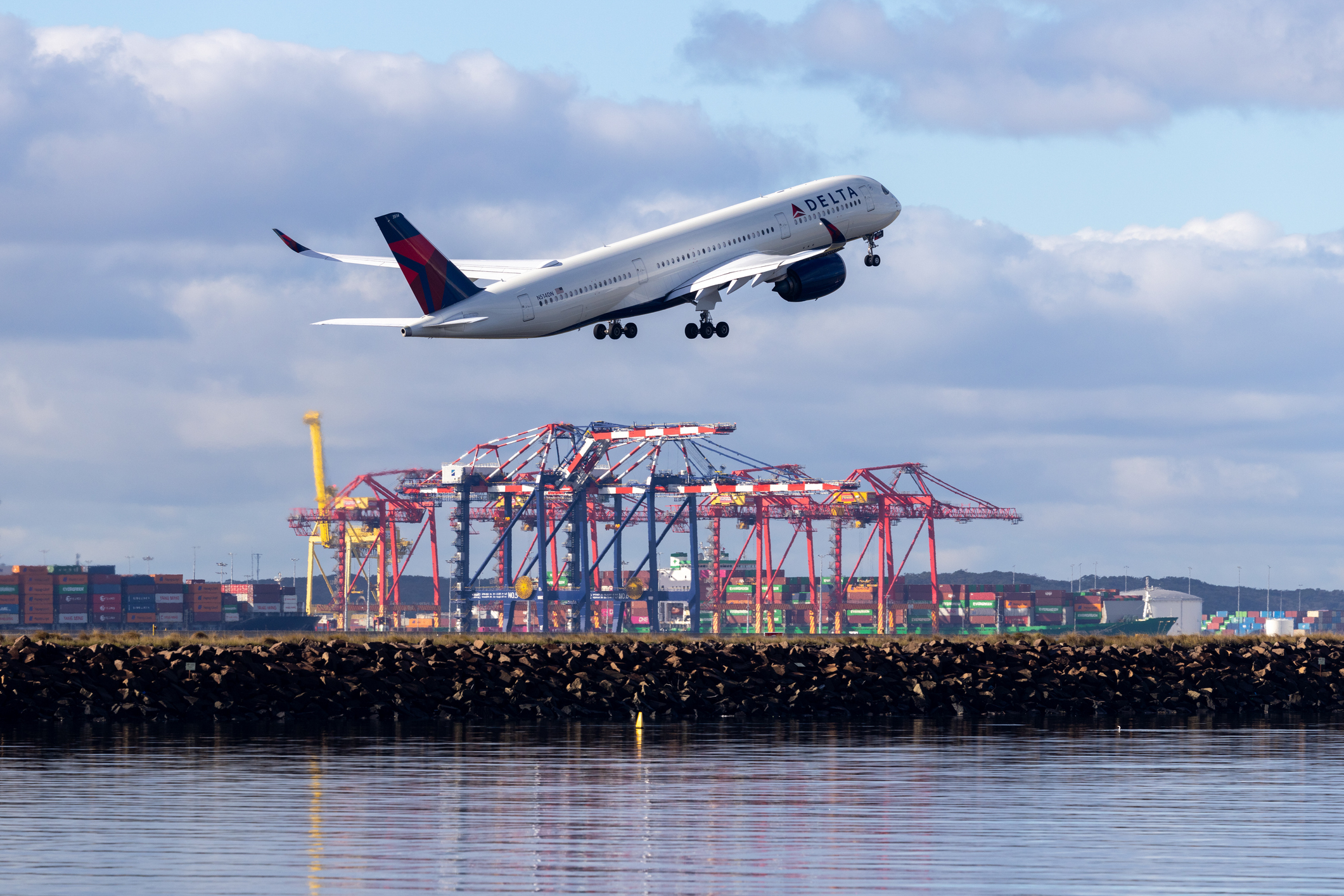
    Delta is adding the first nonstop flight between Detroit (DTW) and Athens (ATH) next summer beginning on June 8, and seats are already bookable with SkyMiles.

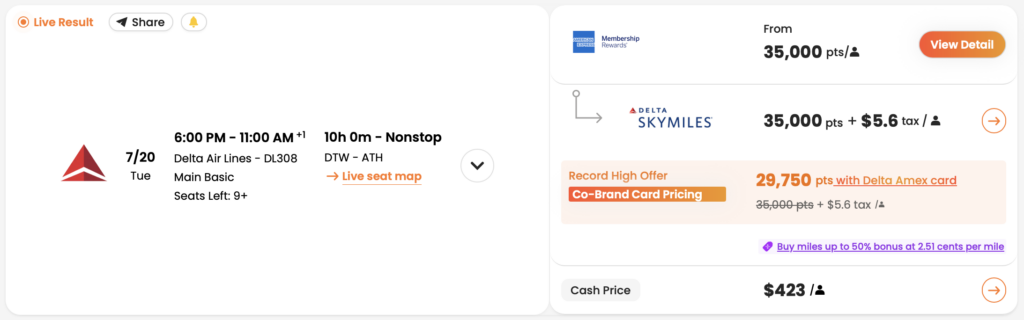
    Delta Air Lines award from DTW to ATH shown in PointsYeah.
    POINTSYEAH

    On July 20, Main Basic starts at 35,000 SkyMiles plus $6 one way. Eligible Delta cardholders get a 15% discount through TakeOff 15, dropping the price to 29,700 miles plus $6.

    There is a tradeoff for taking the cheaper option, though.

    Main Basic charges a fee to cancel or change the ticket, doesn’t include advance seat selection, and charges for the first checked bag. Main Classic on the same flight costs 45,800 miles, or 38,900 miles with the cardholder discount, and offers more flexibility, advance seat selection, and a free checked bag.

    That’s a difference of 9,200 miles for cardholders. On a trip being booked nearly 10 months ahead, paying more miles for the extra flexibility could make a good amount of sense.

    Search for Your Own Trip

    These prices are snapshots of a moment in time and can move up or down as the wind blows. Changing the dates, departure airport, or cabin can also produce very different results.

    That’s particularly useful with new routes. United’s Luxembourg flight starts in Newark, while American’s new Porto nonstop starts in Philadelphia. But as the Boston and Los Angeles examples show, itineraries don’t necessarily have to start there.

    {{ search-widget mode=”flight” }}

  • Delta Adds New Flights to Athens, Venice, and Paris for 2027

    Delta Adds New Flights to Athens, Venice, and Paris for 2027

    Delta is adding three new routes to Europe in 2027, with new nonstop flights to Athens, Venice, and Paris.

    The airline announced Thursday, September 25, that it will begin flying from Detroit (DTW) to Athens (ATH) and Boston (BOS) to Venice (VCE) next summer. Those flights will join a previously announced route from Austin (AUS) to Paris (CDG), which begins in March.

    Delta is also stretching several seasonal Europe routes farther into the spring and fall, giving some destinations a longer window than the usual summer schedule.

    Delta Adds New Flights to Athens, Venice, and Paris

    Delta will begin flying from Detroit to Athens three times weekly on June 8, 2027. Flights will operate through October 28 aboard an Airbus A330-200.

    It will be the first nonstop flight between Detroit and Athens, making Detroit Delta’s fourth U.S. gateway to the Greek capital.

    Boston gets a new route of its own beginning May 7. Delta will fly four times weekly to Venice through October 29 using an Airbus A330-300.

    That gives Boston another nonstop option to Italy, where Delta has been steadily adding service over the past few years. The airline will also increase its Boston-Milan route to daily service in 2027.

    Farther south, Delta will begin daily flights between Austin and Paris on March 27, 2027, giving Austin its first nonstop connection to the French capital. The route will use an Airbus A330-900neo.

    All three routes will offer Delta One business class and Delta Premium Select premium economy in addition to economy.

    The additions are part of a broader period of international growth for Delta. The airline is also preparing to launch its first flights to Riyadh (RUH) on October 23, 2026, adding Saudi Arabia to its route map.

    Delta Is Lengthening the Europe Season

    The new routes aren’t the only change coming to Delta’s Europe schedule.

    Several seasonal flights will start earlier in 2027, while others will stick around longer.

    Flights from Minneapolis-St. Paul and Detroit to Rome will begin in early March, for example, while Seattle-Rome will start in April. Delta is also bringing back several routes earlier in the year, including New York-JFK to Catania, Porto, Prague, and Copenhagen.

    Boston and Seattle flights to Barcelona and Atlanta-Edinburgh will return earlier as well.

    Some routes are also getting more service. Detroit-Rome and New York-Copenhagen will operate daily when they return, while Cincinnati-Paris will continue three times weekly from January through March.

    That makes Delta’s transatlantic network a little less dependent on the traditional summer rush.

  • American Express Centurion Lounges: What to Know Before You Visit

    American Express Centurion Lounges: What to Know Before You Visit

    American Express has spent more than a decade building one of the largest credit card airport lounge networks in the world.

    The first Centurion Lounge opened in 2013. Since then, the network has expanded across the United States and into airports from London to Tokyo, with more locations on the way.

    Unlike airline lounges, access isn’t tied to flying a particular airline or sitting in a premium cabin. It comes primarily through a handful of premium American Express cards.

    Here’s where to find Centurion Lounges, who can get in, and what to know before your visit.

    Where Can You Find American Express Centurion Lounges?

    American Express operates Centurion Lounges across the United States and at several international airports.

    United States

    AirportLocation
    Atlanta (ATL)Concourse E
    Charlotte (CLT)Between concourses D and E
    Dallas Fort Worth (DFW)Terminal D
    Denver (DEN)Concourse C
    Houston (IAH)Terminal D
    Las Vegas (LAS)Concourse D
    Los Angeles (LAX)Tom Bradley International Terminal (TBIT)
    Miami (MIA)Concourse D
    New York Kennedy(JFK)Terminal 4
    New York LaGuardia (LGA)Terminal B
    Philadelphia (PHL)Terminal A, West
    Phoenix (PHX)Terminal 4
    Salt Lake City (SLC)Concourse B
    San Francisco (SFO)Terminal 2, Concourse D (temporary location)
    Seattle (SEA)Central Terminal
    Washington National (DCA)Terminal 2

    International

    AirportLocation
    Amsterdam (AMS)Between Concourses E and F
    Buenos Aires (EZE)Terminal B
    Delhi (DEL)Terminal 1D
    Hong Kong (HKG)Terminal 1
    London (LHR)Terminal 3
    Melbourne (MEL)Terminal 2
    Mexico City (MEX)Terminal 1 (International), Terminal 2, Terminal 1 (Domestic), and Terminal 1
    Monterrey (MTY)Terminal A and Terminal B
    Mumbai (BOM)Terminal 2, Domestic
    Stockholm (ARN)Terminal 5
    Sydney (SYD)Terminal 1 (International)
    Tokyo Haneda (HND)Terminal 3

    More Centurion Lounges are on the way

    The network is still growing, with additional Centurion Lounges already announced.

    AirportLocationExpected
    Newark (EWR)Terminal A2026
    London (LHR)Terminal 52028
    Boston (BOS)Terminal C2029

    Sidecar by the Centurion Lounge

    American Express is also experimenting with a smaller lounge concept called Sidecar by The Centurion Lounge.

    Sidecar is designed for shorter visits, with drinks and light bites rather than the broader dining and amenity experience found at a full Centurion Lounge. Visits are limited to 90 minutes before departure.

    The first Sidecar opened at Las Vegas (LAS) in 2025, and another is planned for Charlotte (CLT) in 2027.

    Who Can Access a Centurion Lounge?

    You can’t purchase a Centurion Lounge membership or simply pay for a day pass.

    Instead, complimentary access comes primarily through eligible American Express cards, including:

    • The Platinum Card® from American Express
    • The Business Platinum Card® from American Express
    • Centurion® Card
    • Delta SkyMiles® Reserve cardmembers (when flying Delta)
    • Delta SkyMiles® Reserve Business cardmembers (when flying Delta)

    Guest access depends on which card you use.

    Platinum Card and Business Platinum Card members generally pay $50 per adult guest and $30 for children ages 2 through 17. Cardmembers who make $75,000 or more in eligible purchases during a calendar year can unlock complimentary access for up to two guests at eligible Centurion Lounge locations.

    You’ll also need a same-day boarding pass. Access is generally limited to within three hours of your scheduled departure. If you’re connecting, you can enter up to five hours before your next flight.

    What Can You Expect Inside a Centurion Lounge?

    Centurion Lounges share many of the same basics, but American Express doesn’t make every location identical.

    Food, drinks, artwork, and design often incorporate elements of the city or region surrounding the airport. Some locations take that further with amenities you won’t find elsewhere in the network.

    At New York (JFK), there’s a speakeasy called 1850. Seattle (SEA) has a full-service coffee bar inspired by the city’s coffee culture. At Tokyo Haneda (HND), chefs prepare nigiri from an open kitchen.

    The rest will feel familiar if you’ve spent time in airport lounges. Expect complimentary food and drinks, Wi-Fi, power outlets, and places to work or relax. Depending on the location, you may also find showers, family rooms, outdoor spaces, or other amenities.

    A Few Things to Know Before You Go

    A few rules are worth checking before heading to a Centurion Lounge:

    • Bring a government-issued photo ID. You may be asked to show it at check-in.
    • Your boarding pass must be for a same-day departing flight.
    • Entry is subject to capacity, and popular lounges can have a wait during busy periods.
    • Amenities vary considerably between locations.
    • International locations can have different access and guest policies, so check the rules for the specific lounge you’re visiting.

    Because lounge access policies can change, confirm the latest rules with American Express before traveling if Centurion Lounge access is important to your plans.

  • Alaska Airlines Is Getting Much Bigger at Seattle’s Other Airport

    Alaska Airlines Is Getting Much Bigger at Seattle’s Other Airport

    Alaska Airlines is planning a sizable expansion at Paine Field, giving the Seattle area’s secondary airport considerably more service over the next year.

    The airline announced September 24 that it will increase its seat capacity at Seattle Paine Field (PAE) by 50% between this fall and summer 2027.

    The expansion includes one new destination, San Jose, along with more flights or larger aircraft on several existing routes.

    Alaska plans to begin twice-daily flights between Paine Field and San Jose on April 14, 2027, operated by Horizon Air with Embraer E175 aircraft.

    Los Angeles will also increase to twice-daily service, with both flights moving to larger Boeing 737 aircraft. Portland grows to two flights per day, while Alaska is adding seats to San Diego and San Francisco.

    Paine Field Is Becoming a Bigger Part of Alaska’s Seattle Network

    None of the individual route changes is especially dramatic. Taken together, though, a 50% increase in seats is meaningful for an airport that offers an alternative to Seattle-Tacoma International Airport (SEA).

    Paine Field sits roughly 25 miles north of downtown Seattle in Everett, making it considerably closer for parts of northern Seattle and communities north of the city. Its small passenger terminal also offers a very different experience from Alaska’s much larger operation at SeaTac.

    The expansion doesn’t turn Paine Field into another major hub. Most of Alaska’s Seattle-area flying will continue to operate from SEA.

    But by summer 2027, PAE will offer substantially more Alaska capacity to several major West Coast destinations. For anyone living north of Seattle, that makes checking both airports before booking a trip a little more important.

  • Qantas Will Fly Nonstop From Sydney to New York Starting in 2028

    Qantas Will Fly Nonstop From Sydney to New York Starting in 2028

    Flying between Sydney and New York is about to get a little more direct, even if it won’t get much shorter.

    Qantas announced September 22 that it will launch nonstop flights between the two cities in mid-2028 as part of its long-planned Project Sunrise. The roughly 18-hour flight will be the first nonstop commercial service between Australia and New York.

    Tickets are expected to go on sale in August 2027.

    Qantas already flies between Sydney and New York, but the current route stops in Auckland. Removing that stop is expected to cut more than three hours from the total trip.

    Qantas Is Building a Plane for Some Very Long Flights

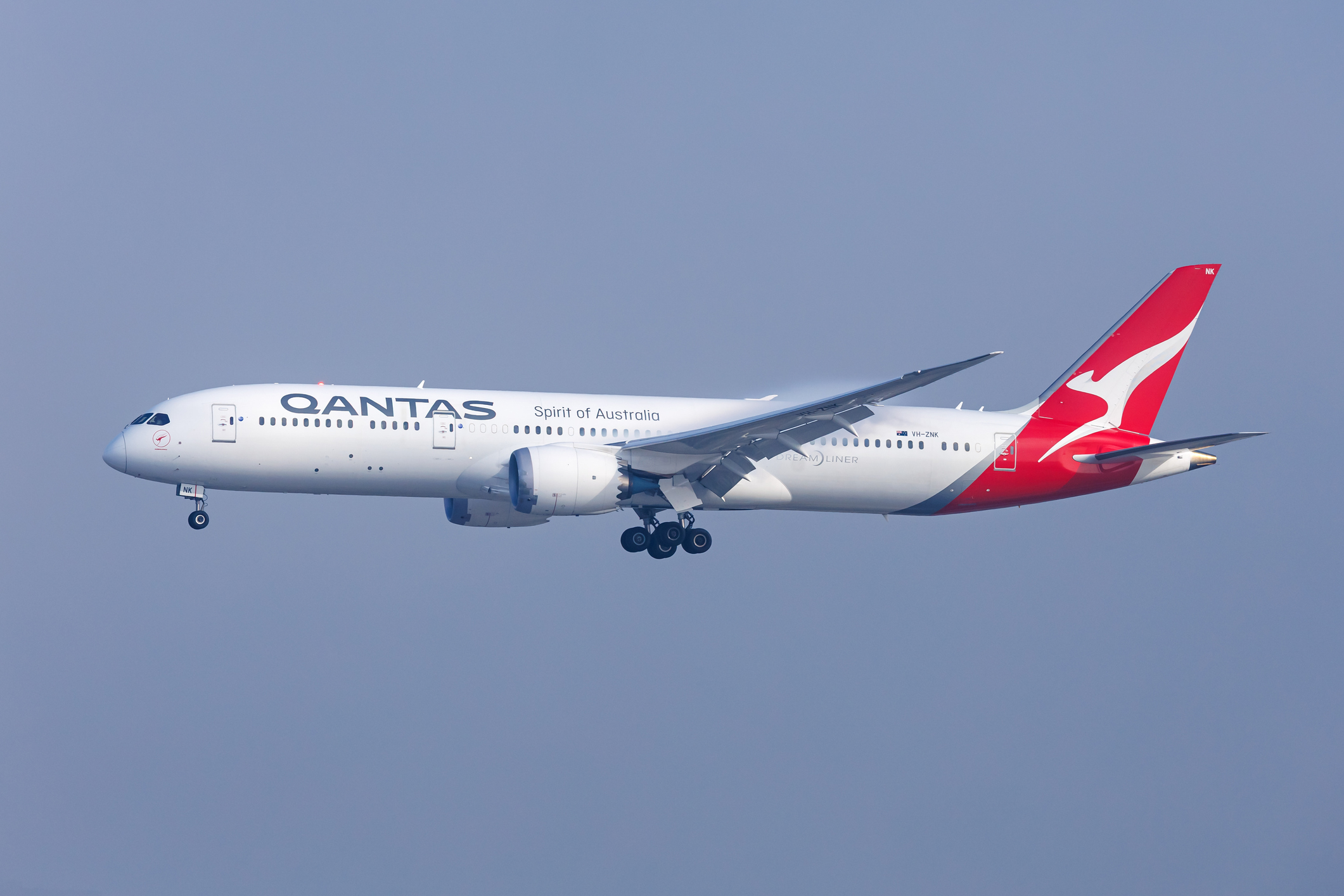
    The New York route will use Qantas’ specially configured Airbus A350-1000ULR, with ULR standing for Ultra Long Range. The aircraft will first enter commercial service on nonstop Sydney to London flights in October 2027.

    Those flights will spend roughly 20 hours in the air, giving a sense of what Qantas is building these aircraft to do. The airline says the A350-1000ULR can fly for up to 22 hours nonstop.

    Qantas is configuring its 12 Project Sunrise aircraft with just 238 seats across first class, business class, premium economy, and economy. The planes will also have an additional 20,000-liter fuel tank to make these ultra-long flights possible.

    There’s even a dedicated Wellbeing Zone where passengers can stretch, grab a drink or snack, and follow guided movements on large screens. Spending the better part of a day on an airplane makes that sound a little less gimmicky.

    The first aircraft is expected to arrive in April 2027.

    New York will be the second confirmed Project Sunrise route after London. Qantas hasn’t released the Sydney to New York schedule or said how frequently it will operate.

    There’s also no word yet on what tickets will cost or how many seats might eventually be bookable with Qantas points or through partners such as American Airlines.

    Those details are a ways off. But beginning in 2028, getting from Sydney to New York should no longer require landing somewhere in between.

    Eighteen hours in a middle seat, on the other hand, is one problem Project Sunrise can’t solve.

  • Turkish Airlines Finalizes Order for Up to 150 Boeing 737 MAX Jets

    Turkish Airlines Finalizes Order for Up to 150 Boeing 737 MAX Jets

    Turkish Airlines is moving ahead with plans to add a lot more airplanes.

    The airline finalized an order Wednesday for 100 Boeing 737-8 aircraft, with options for another 50 737 MAX jets. Turkish can also substitute some of those planes for the larger 737-10.

    For passengers, the useful part isn’t necessarily the aircraft itself. It’s what Turkish could do with a fleet that continues to get much bigger.

    More planes give the airline room to add flights, destinations, and seats over time. Turkish hasn’t said where these particular aircraft will fly, and some could replace older planes rather than represent entirely new capacity.

    But this order is part of a much larger growth plan.

    Turkish Airlines Is Building Toward More Than 800 Aircraft

    Turkish first announced plans to buy the 737 MAX jets last September, alongside a firm order for 50 Boeing 787 Dreamliners and options for another 25.

    The 787 order includes 35 787-9s and 15 of the larger 787-10, which Turkish plans to use to support long-haul growth. Boeing has said the 787 and 737 MAX deals together will double Turkish Airlines’ Boeing fleet.

    Turkish has an even bigger target beyond Boeing. The airline wants its overall fleet to exceed 800 aircraft by 2033 while sustaining average annual growth of 6%.

    The 737 MAX aircraft are intended for shorter routes, while the additional Dreamliners give Turkish more room to grow long-haul flying. That combination matters at Istanbul, where shorter flights from across the region feed Turkish’s much larger international network.

    None of that guarantees more seats on a particular route or the introduction of new ones. But Turkish is planning for a substantially larger fleet, and more aircraft give it more room to add capacity.

  • Bilt Adds Amtrak as Its First Rail Transfer Partner

    Bilt Adds Amtrak as Its First Rail Transfer Partner

    Bilt Rewards added a new way to use its points for travel, and this one doesn’t involve an airline or hotel.

    On Wednesday, September 23, Bilt added Amtrak Guest Rewards as its newest transfer partner, allowing Bilt Points to be converted into Amtrak points and used toward train tickets.

    Amtrak is Bilt’s first rail transfer partner and its 26th travel partner overall. And the partnership could be particularly useful in situations where taking the train can make more sense than flying.

    How Bilt Transfers to Amtrak Work

    Transfers are available now after linking an Amtrak Guest Rewards account to Bilt.

    Bilt Points transfer in increments of 1,000. Members who have earned Bilt status can transfer as few as 1,000 points at a time, while members with entry-level Blue status (which everyone receives when joining Bilt) need to transfer at least 2,000.

    Amtrak tickets can start at 400 Guest Rewards points, or 100 points when combining points and cash. Points can also be used for lounge passes starting at 1,500 points and one-class upgrade coupons starting at 2,500 points.

    The important number to check before transferring is how many Amtrak points a particular trip requires. Since Bilt Points become half as many Amtrak points, a ticket costing 2,500 Amtrak points would require transferring 5,000 Bilt Points.

    Bilt Continues to Expand Beyond Traditional Travel Rewards

    Amtrak also fits into something broader happening at Bilt.

    Airline and hotel transfers are still a big part of the program, but Bilt has increasingly added ways to use points outside the usual airline-hotel playbook. Points can go toward fitness classes, student loan payments, and other expenses tied more closely to everyday life.

    Train travel fits neatly into that expansion. It’s transportation, but for plenty of people, especially along the Northeast Corridor, it’s also part of life in a way that an airline transfer partner might not be.