
I had some time to kill at the Philadelphia airport recently and started noticing the lines.
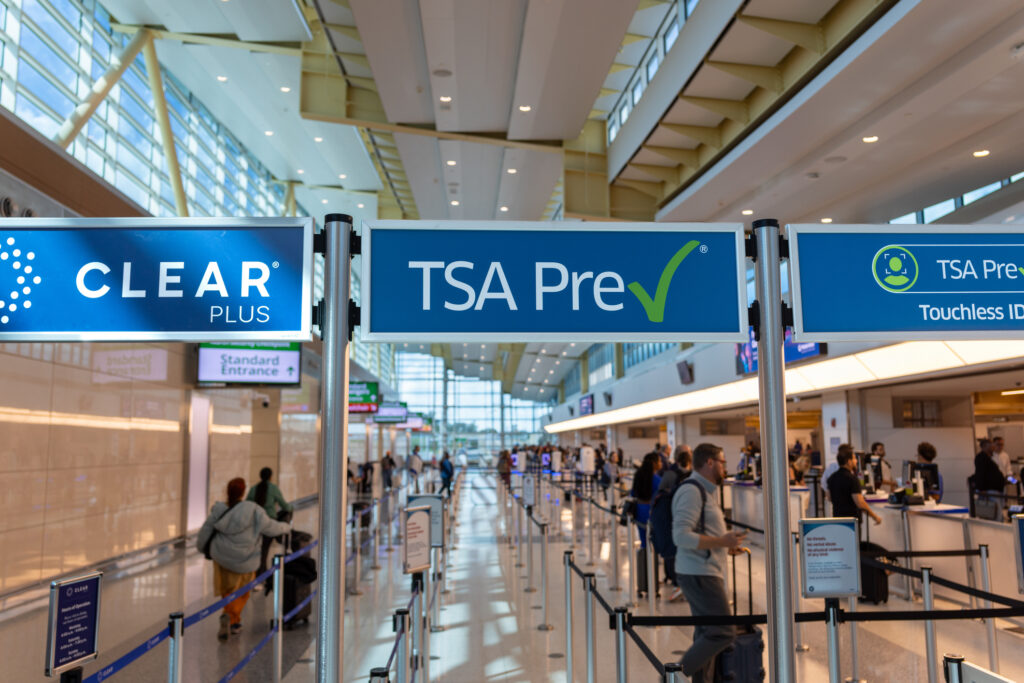
The regular TSA security line was long. PreCheck had a few people waiting. The separate Touchless ID lane had absolutely nobody at all.
A couple of minutes after collecting my belongings from security, I watched a separate American Airlines flight board. Plenty of passengers were still waiting when Groups 7 and 8 were called, followed by Group 9.
Joining AAdvantage (American’s free loyalty program) would have put some of them in Group 6 and possibly saved them from gate-checking their bags.
Neither observation was particularly groundbreaking. But they got me thinking about the small things that can make a trip easier without buying a better seat or having airline status.
Some take a few minutes to set up. Others are just useful habits to have when something goes wrong.
Here are five that can make a difference.
Join the Airline’s Loyalty Program
There doesn’t need to be much loyalty involved in joining a loyalty program.
American is a good example. AAdvantage members board in Group 6. Nonmembers flying in Main Cabin board in Groups 7 or 8, while basic economy passengers without another form of priority board in Group 9.
Signing up is free.
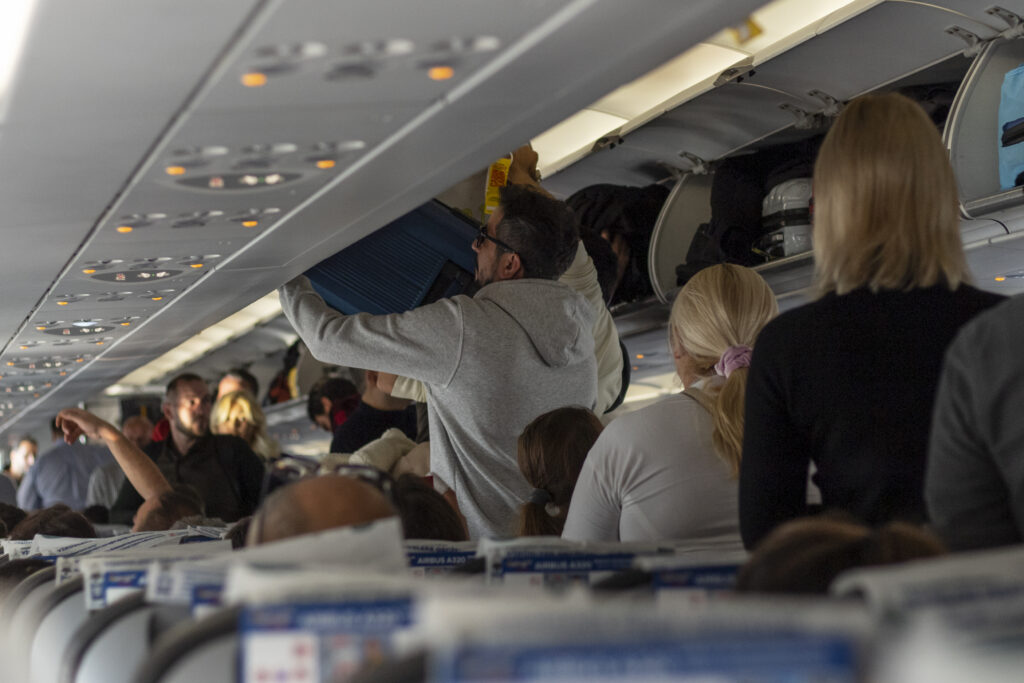
Moving up a boarding group or two isn’t going to transform a trip, but it can mean getting on the plane before overhead bin space starts disappearing. And it’s an easy benefit to get even if you only fly American more than once or twice a year.
AAdvantage members get access to free onboard Wi-Fi, too.
Having an account also keeps reservations in one place, saves information such as a Known Traveler Number (KTN), and makes sure miles from a flight don’t disappear into nowhere.
Not every airline gives members an earlier boarding group just for signing up, so this isn’t a reason to open a dozen loyalty accounts tonight. But when booking a flight, it’s worth seeing what joining the airline’s program gets beyond miles.
Sometimes there’s a useful perk hiding behind a free signup.
More on This: I Want to Travel With Points. Where Do I Start?
Get TSA PreCheck and Look for Touchless ID
The difference between the security lines at Philadelphia was hard to miss.
TSA PreCheck doesn’t guarantee a short wait. I’ve certainly stood in some long PreCheck lines. But it does offer dedicated lanes at participating airports and a less cumbersome screening process, like leaving shoes on and laptops in bags.
New enrollment currently starts as low as $76.75, depending on the provider. Renewals can start at $58.75, depending on the method.
Global Entry is another option, particularly for international trips. It costs $120, includes TSA PreCheck benefits, and adds expedited processing when returning to the U.S.
Before paying for either, check the credit cards already in the wallet. Plenty of travel cards (typically ones with annual fees) reimburse the application fee for TSA PreCheck or Global Entry. Enroll, charge the fee to an eligible card, and the reimbursement typically comes back as a statement credit.
PreCheck can also unlock an even easier option at some airports.
TSA PreCheck Touchless ID uses facial comparison technology for identity verification and has dedicated lanes. I’ve increasingly found those lines shorter than PreCheck itself. At PHL that day, nobody was waiting.
Eligible PreCheck members with a valid passport can opt in through participating airlines. With an airline, that means adding a Known Traveler Number and passport information to the profile, then opting in either there or during check-in. A Touchless ID indicator on the boarding pass shows when it’s ready to use.
American, Alaska, Delta, Hawaiian, Southwest, and United currently participate.
Touchless ID isn’t everywhere yet. But after doing the work to get PreCheck, it’s worth checking whether there’s an even shorter line available.
Download the Airline App Before Something Goes Wrong
Airline apps aren’t particularly exciting when everything is running on time.
They’re considerably more useful when a flight isn’t.
Most handle the basics, including boarding passes, gate changes, delay notifications, and bag tracking. But they’re more helpful during a disruption.
When a flight gets canceled, the instinct is often to head straight for a customer-service desk or call the airline, only to hear that “higher than normal call volume” message. Everyone else is doing the same thing.
Depending on the airline, the app may already offer rebooking options while the line at the airport is still growing. Meal or hotel vouchers may show up there, too.
That doesn’t mean an app can fix every problem. Sometimes an agent really is necessary. But it’s much easier to find out with the app already downloaded, logged in, and connected to the reservation.
A flight cancellation is a bad time to discover the password doesn’t work.
Know What Else Is Flying That Day
When I really need to be somewhere, I like to know what comes after my flight.
That doesn’t require memorizing the day’s schedule. A quick look can answer the important questions. Is there another nonstop that afternoon? Does another airline fly the route? Would a connection still get there in time?
That information becomes much more useful when the original flight starts slipping.
Instead of starting from scratch after a cancellation, there’s already some idea of what to ask for or look at next. If there’s a 3 p.m. flight that still gets there before dinner, that’s worth knowing before joining the line at the airport.
The same applies to trips booked with points. A quick PointsYeah search can show other award options around the same time or day, including flights available through different loyalty programs.
{{ search-widget mode=”flight-hotel” }}
Availability can disappear quickly during a disruption, so none of this guarantees a seat. The point is knowing where to look before everyone else on the flight starts looking, too.
Keep Some Points and Miles Around for When Things Go Sideways
Some of my most useful points redemptions are the ones I never end up using.
I needed to get to Boston recently, and my JetBlue flight kept getting delayed. At some point, another delay could have meant not getting there when I needed to.
American had another flight leaving later that day, and there was award availability. So I booked it with AAdvantage miles.
I didn’t particularly want to take that flight. It was there in case JetBlue never went anywhere.
The cancellation terms on the American award gave me enough flexibility to hold onto the backup while I waited to see what happened. JetBlue eventually got moving, so I canceled the American flight and got the miles back.
This is something to be careful with, though. Cancellation rules vary, it’s always worth checking the terms before booking something that may need to be canceled fairly close to departure.
But it’s a good example of why having some miles available can be useful beyond planning the next vacation.
The same goes for hotels. A cancellation, missed connection, or bad weather can unexpectedly create the need for a room near an airport, sometimes at an ugly last-minute price. Hotel points can cover the night instead. Transferable points can be even more useful because they provide options across several airline and hotel programs.
There doesn’t need to be a giant balance sitting around indefinitely. But using every point down to zero can leave fewer options when a trip goes sideways.
Points are usually the fun part of planning a trip. Sometimes they’re just a very useful Plan B.
More on This: How Credit Card Transfer Partners Work
Small Things Add Up
None of these will prevent a delay, guarantee an empty security line, or make boarding particularly glamorous.
But that’s what struck me at PHL. Some people were waiting in a long security line while another had nobody in it. Others were boarding later than they needed to because they hadn’t joined a free airline program.
Flying comes with plenty of hassles that can’t be avoided. It makes sense to skip the ones that can.
Leave a Reply