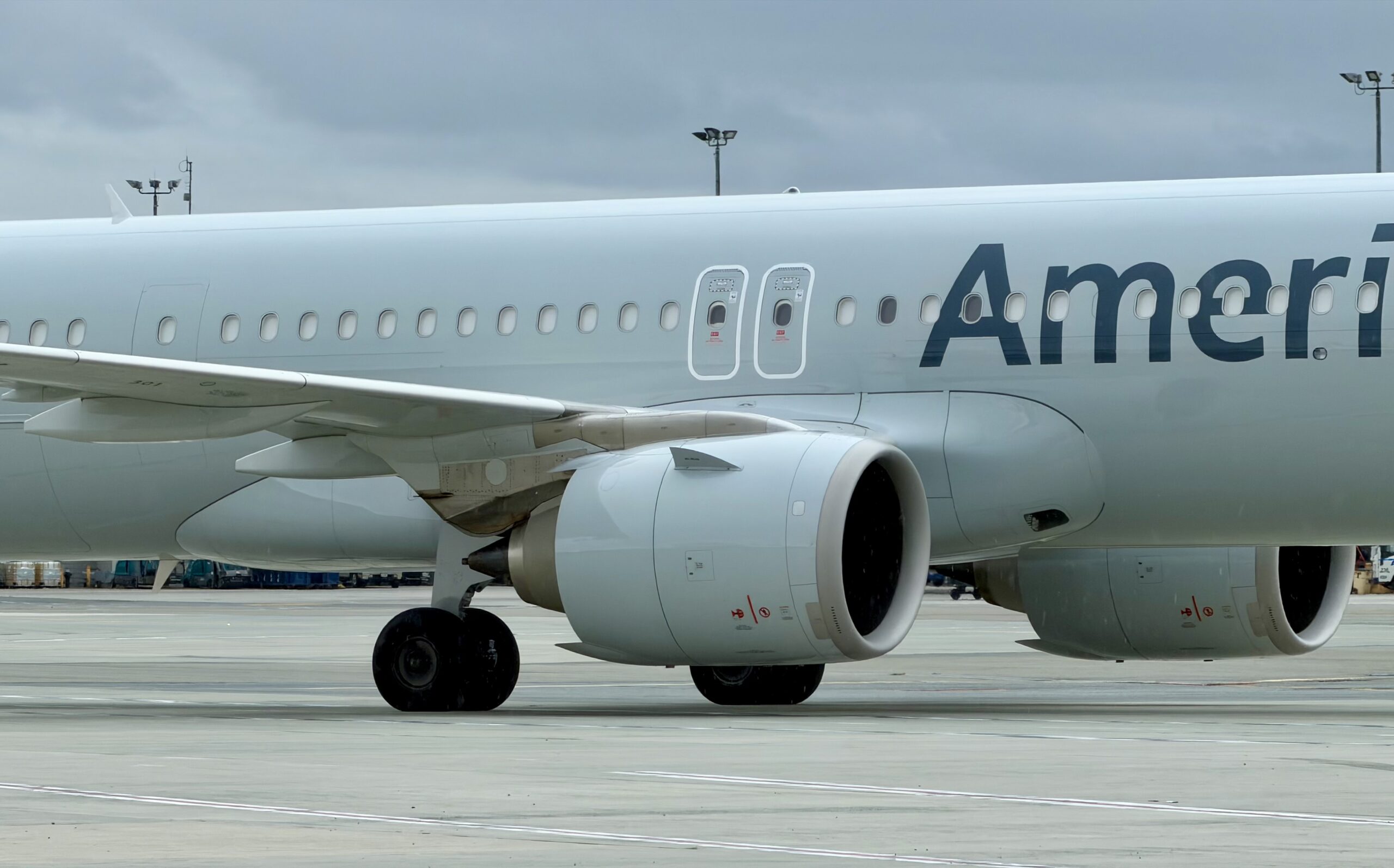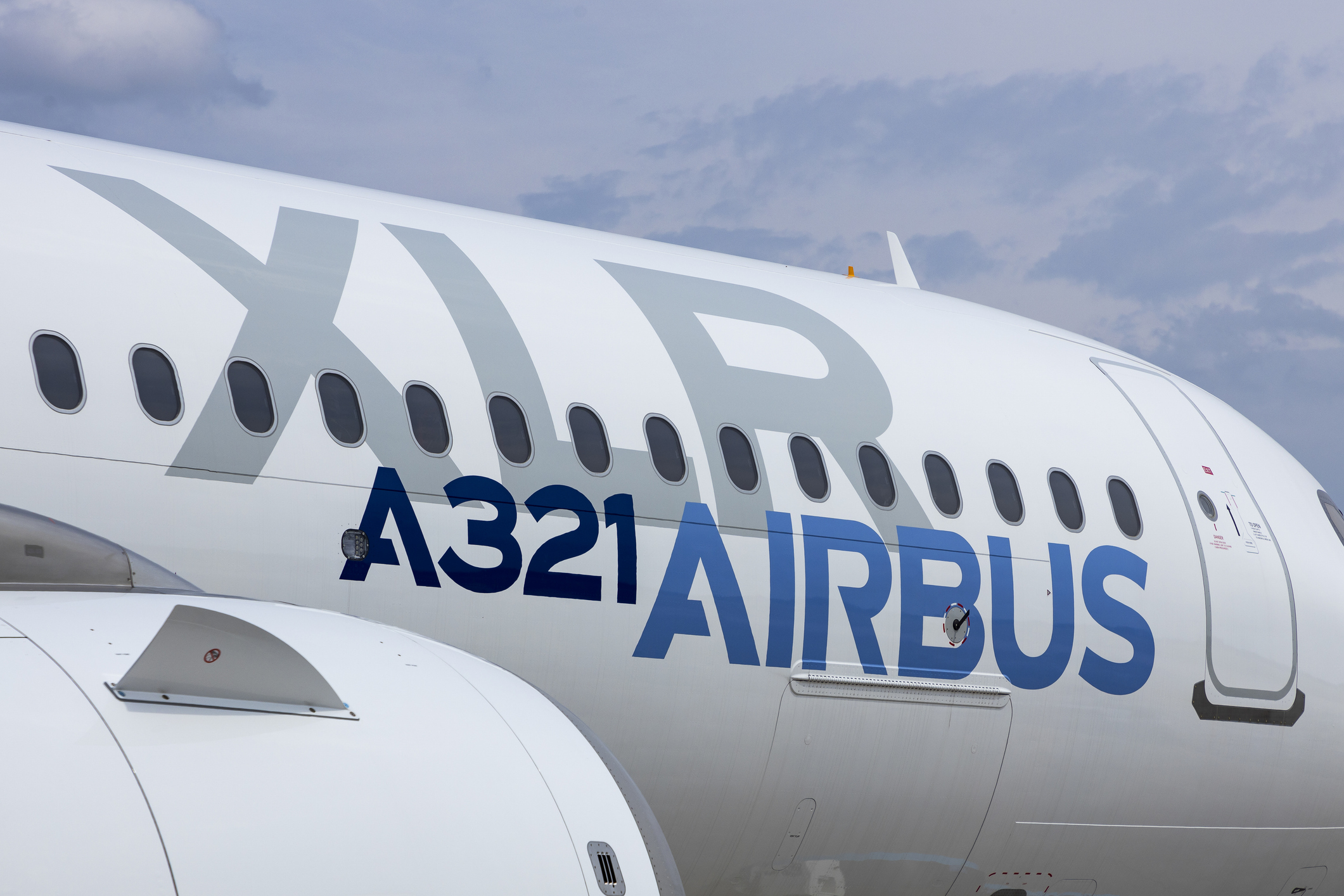
If you’re booking a long-haul flight, there’s a growing chance you’ll see an aircraft you may not associate with flying across an ocean: the Airbus A321XLR.
American Airlines is already flying the aircraft, while Iberia and Aer Lingus are among the airlines using it across the Atlantic. United Airlines and Air Canada have also taken delivery of their first XLRs, and plenty of other airlines are already operating the aircraft or planning to add it to their fleets.
At a high level, the A321XLR takes an aircraft that looks a lot like one you might fly from New York to Florida and gives it the ability to fly much farther. Airbus says the XLR can fly for up to 11 hours. It uses routes such as Orlando to Paris and Dallas to Lisbon as examples of what’s possible.
That puts a single-aisle aircraft on some of the same long-haul routes traditionally associated with much larger planes. The experience isn’t necessarily better or worse, but it is different.
What Is the Airbus A321XLR?
The A321XLR is the longest-range version of Airbus’ popular A321neo family. XLR stands for Extra Long Range.
The easiest way to understand it is to think of the XLR as a smaller aircraft capable of doing some of what airlines traditionally needed a widebody to do.
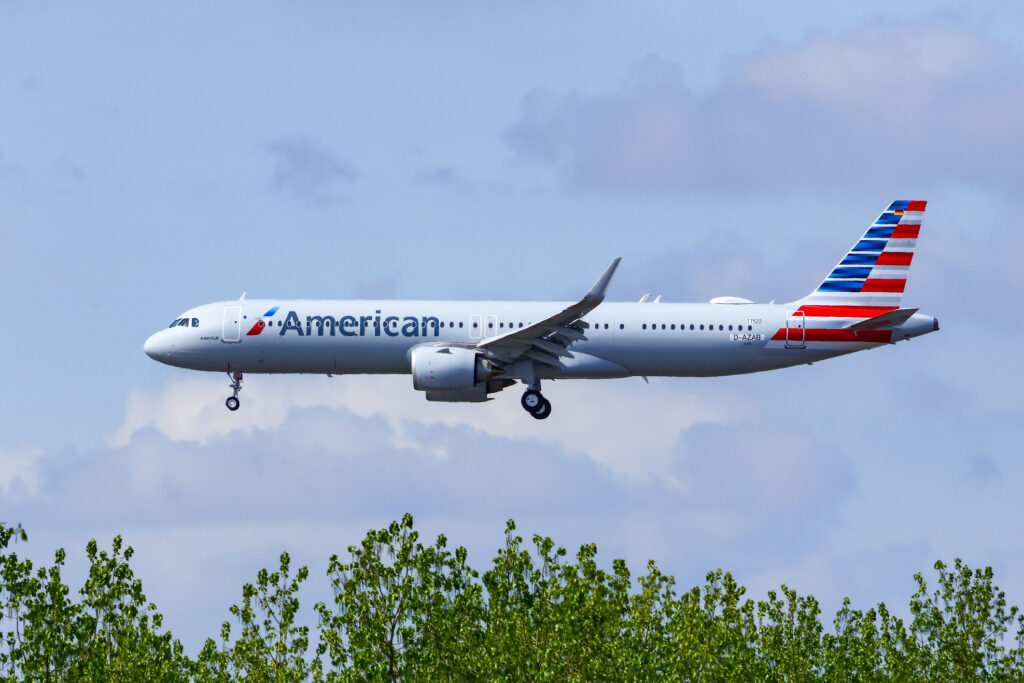
It still has one aisle, and economy is generally arranged with three seats on either side. But airlines can also install premium economy and lie-flat business-class seats, along with the entertainment, Wi-Fi, and other features travelers have come to expect on long-haul flights.
But in many ways, it’s a squeezed-down version of the widebody experience.
And long flights aren’t the only place you’ll find one. American, for example, also uses its A321XLR on transcontinental routes from New York (JFK) and Boston (BOS) to California, giving the airline more ways to put the highly efficient aircraft to work.
Long-Haul Flights on an A321 Aren’t Entirely New
The A321XLR isn’t the first version of the A321 to cross the Atlantic.
JetBlue, Aer Lingus, TAP Air Portugal, and other airlines have been flying the A321LR, or Long Range, across the Atlantic for years. If you’ve flown JetBlue from the East Coast to Europe, for example, there’s a chance you’ve already spent a long flight aboard a single-aisle A321.
The XLR pushes that idea farther. Its additional range comes in part from an extra fuel tank, giving airlines more flexibility to connect cities that might be difficult to serve with an A321LR and don’t necessarily need a larger aircraft.
So while the XLR is getting plenty of attention, long-haul flying on an A321 isn’t particularly new.
What Is It Like to Spend Several Hours on an A321XLR?
This is probably the question that matters more than how Airbus managed to make the aircraft fly farther.
In economy, the cabin will look fairly familiar. Most airlines use a 3-3 configuration, with three seats on each side of a single aisle. What changes is how long you’re sitting in it.
There’s less room to move around than on a larger two-aisle aircraft. Passengers heading to the lavatory, flight attendants working the cabin, and anyone trying to stretch their legs are all sharing the same aisle.
Up front, airlines have found creative ways to fit a long-haul premium experience into the narrower cabin. Depending on the carrier, you might find lie-flat seats in a 1-1 layout or staggered configurations that create especially spacious “throne” seats in certain rows.
The result can feel like a condensed version of flying on a widebody such as a Boeing 777 or 787 or an Airbus A330 or A350. An XLR can still have multiple cabins, lie-flat seats, premium economy, seatback entertainment, and Wi-Fi, but everything has to fit within the narrower fuselage.
The experience can also vary quite a bit between airlines.
United is putting just 150 seats on its XLRs, while American has 155. Both include 20 lie-flat business-class seats and 12 dedicated premium economy seats. Iberia and Aer Lingus fit more than 180 seats on theirs.
That’s a wide range for the same aircraft.
Why Are Airlines Flying Smaller Aircraft Across the Atlantic?
This is where the XLR gets more interesting for travelers.
Not every city pair can support a Boeing 787 or Airbus A350 full of passengers every day. An A321XLR gives airlines a way to serve long-distance markets with fewer seats, which can make new nonstop routes possible or support existing routes where demand doesn’t justify a larger aircraft.
We’re already seeing that play out.
American’s latest international expansion leans heavily on the A321XLR, including new service to destinations such as Vienna and Porto. United is also using the aircraft to expand its international network. It added several new XLR routes that take advantage of both the jet’s range and smaller size.
How to Know What You’re Booking
Airlines don’t always make aircraft types particularly easy to decipher.
Some will spell out Airbus A321XLR during the booking process, while others use equipment codes. American, for example, displays its aircraft as 32Q-Airbus A321XLR.

PointsYeah shows the scheduled aircraft when you open the details for a flight, although closely related A321 versions may sometimes be grouped together.
You might see Airbus A321neo/LR/XLR, for example, rather than a definitive XLR designation.
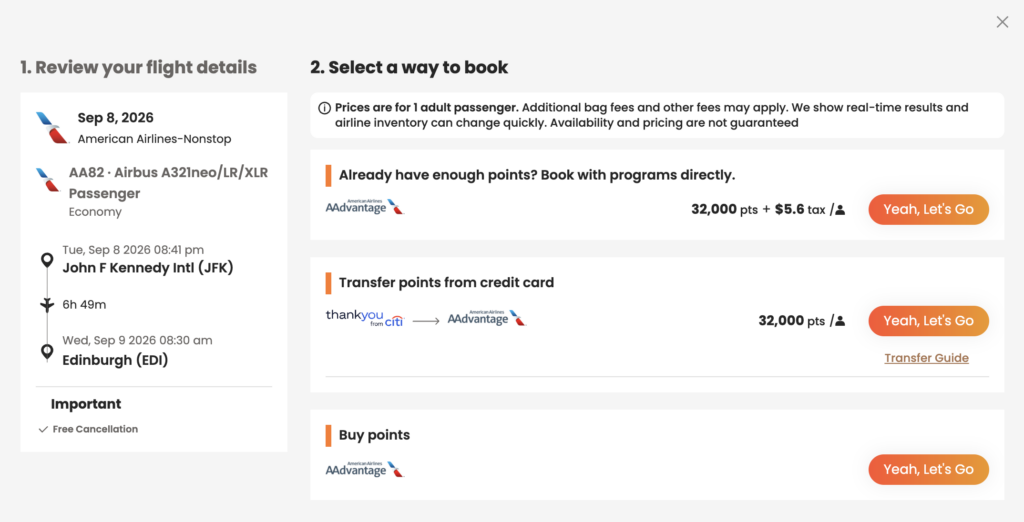
You can also pull up the seat map in PointsYeah. That can be more useful than the aircraft name alone, especially if you want to see the cabin layout or where your preferred seats are located.
If the seat you want isn’t available, you can also set a Seat Alert and PointsYeah will let you know if it opens up.
{{ search-widget mode=”flight” }}
If the exact version matters, check the operating airline’s website as well. Aircraft assignments can also change before departure, so the plane scheduled when you book isn’t guaranteed to be the one waiting at the gate.
Ultimately, the A321XLR isn’t something travelers need to seek out or avoid. But it is worth knowing what those letters mean when they appear on an itinerary.
You could be crossing an ocean on an aircraft that feels noticeably smaller than the widebodies traditionally used for the trip. But at the same time, the XLR’s smaller size and long range are giving airlines more opportunities to fly routes they might not otherwise operate.