Timely coverage of major developments in travel, loyalty programs, airlines, hotels, and credit cards. News should answer what happened and why it matters.
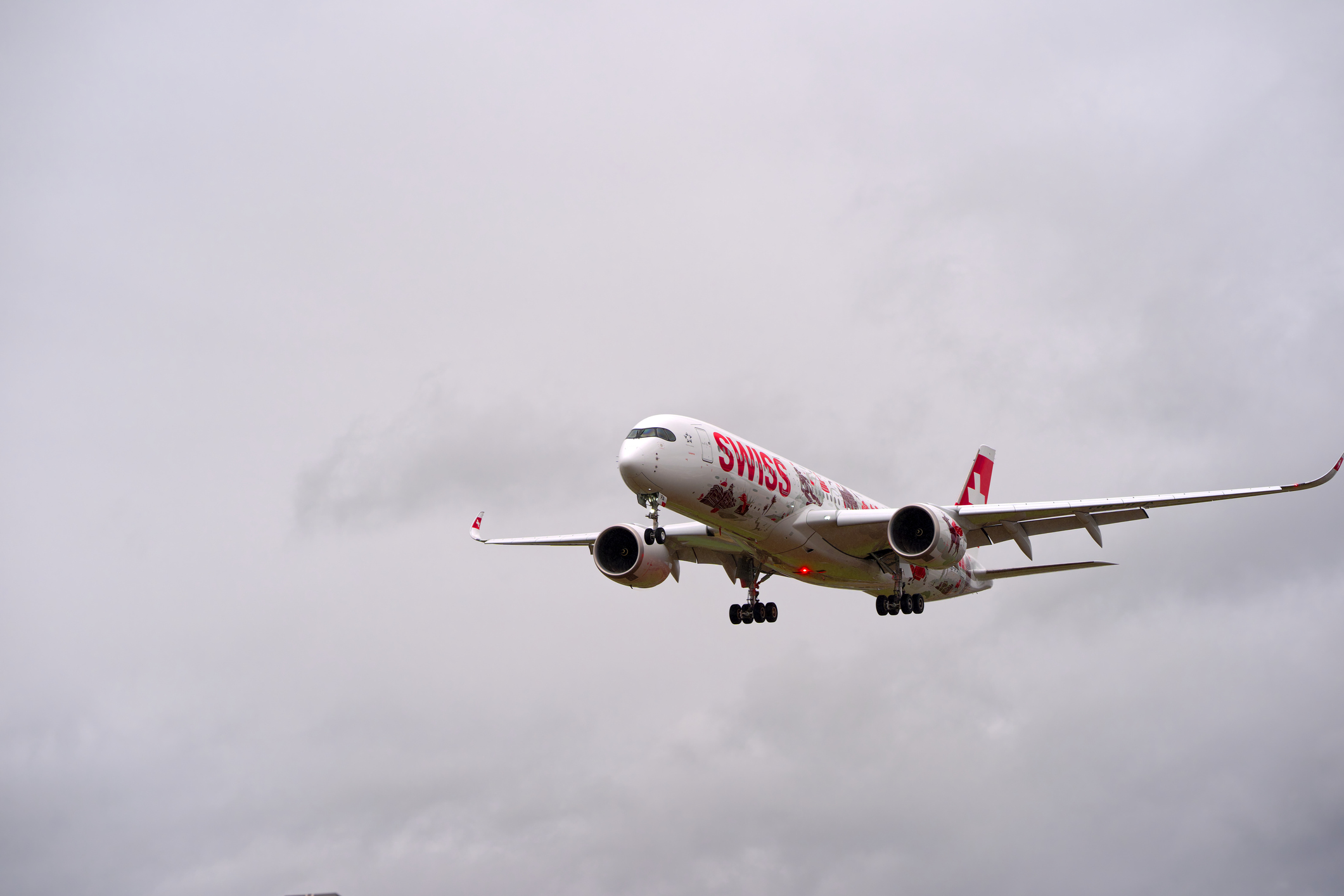
SWISS is about to have a third Airbus A350 in its fleet.
The airline announced that it expects its newest A350-900 to arrive in Zurich on Saturday, September 12, following a delivery flight from Airbus in Toulouse. The aircraft, registered HB-IFC and named Zug, is scheduled to land around 9:30 a.m. local time.
Three airplanes isn’t a huge fleet. But SWISS only has 10 A350s on order, which means 30% of them will have arrived once Zug touches down in Zurich.
SWISS is also bringing its newest cabins to some older aircraft through retrofits. The difference with the A350 is that each one arrives from the factory with the entire new SWISS Senses interior already installed.
SWISS Is Slowly Getting More of Its New Cabins
SWISS introduced the A350 in 2025 with its new SWISS Senses cabins from front to back.
There are just 243 seats onboard, starting with four first-class suites and 45 business class seats. Another 38 seats are in premium economy, followed by 156 in economy.
Every delivery puts another full set of SWISS’s newest seats into service as the airline gradually replaces some of its older long-haul aircraft. And with only 10 A350s planned, the arrival of a third is a meaningful step in what is still a relatively small fleet.
I’ve seen the new interior firsthand. SWISS showed off its first A350 before it entered service last year, and the cabins are a considerable departure from what can still be found across much of the airline’s long-haul fleet.
The changes aren’t limited to the airplane. SWISS is also updating its experience in Zurich, with two new lounges coming to Dock B in 2027. The roughly 28,000-square-foot project will include separate Business and Senator lounges.
The third A350 will get a small welcome before it reaches the airport. SWISS says the aircraft is expected to circle over Zug, the city whose name it carries, before making its final approach into Zurich.
Another A350 Becomes Bookable With Points
There’s also a practical reason to keep an eye on aircraft deliveries.
SWISS award seats can be booked through several Star Alliance loyalty programs, including United MileagePlus, Air Canada Aeroplan, and Avianca LifeMiles. That means Miles & More isn’t the only option for booking a SWISS flight with points or miles.
Each new A350 therefore puts another aircraft with SWISS’s newest first, business, premium economy, and economy cabins into the mix when searching for an award with points and miles.
Seven A350s are still to come. But with the third arriving Saturday, SWISS is getting closer to the point where its newest long-haul cabins aren’t quite as difficult to find.
The Aeroplan Credit Card is getting an overhaul, and it’s going to cost quite a bit more.
Chase and Air Canada announced the changes on September 10. The newly renamed Air Canada Aeroplan Card will carry a $195 annual fee, up from $95, while adding automatic Aeroplan 25K status, a 15% discount on eligible Air Canada flights booked with points, up to $100 back on Air Canada purchases each year, and 3X points on travel.
There are some tradeoffs. Grocery store and restaurant purchases will earn fewer points, and a standing 10% bonus on large transfers from Chase Ultimate Rewards to Aeroplan is going away at the end of the year.
It’s a fairly substantial rethink of a card that has been around since 2021. And the new name offers a pretty good clue about where Chase and Air Canada are taking it.
The Air Canada Aeroplan Card Will Cost $195
The annual fee is jumping from $95 to $195.
To help make up the difference, Chase is adding up to $100 in Air Canada statement credits each year. The benefit is split into two $50 credits, one every six months, so getting the full $100 back requires making at least two eligible Air Canada purchases during the year.
There are more reasons to use the card when flying Air Canada, too.
Cardmembers will automatically receive Aeroplan 25K status without a spending requirement. That comes with perks including priority check-in, Zone 2 boarding, and five eUpgrade credits each year.
ALVIN MAN / ISTOCK
Perhaps more interesting is a new 15% discount on eligible Air Canada flights booked with Aeroplan points. A flight that would otherwise require 50,000 points, for example, would drop to 42,500 points if eligible for the discount.
That’s potentially useful even without much interest in elite status. The catch is that the discount is limited to eligible Air Canada flights. Aeroplan points can be used with more than 45 partner airlines, and those flights aren’t included.
Everyday Spending Is Changing, Too
The card isn’t just getting new benefits.
Grocery stores and restaurants currently earn 3 Aeroplan points per dollar. That’s dropping to 2X.
Travel, meanwhile, becomes a new 3X category, and gas purchases will earn 2X. Air Canada purchases continue to earn 3X.
Chase is also advertising up to 5X points on eligible Air Canada flights. The card itself isn’t earning all five, though. Three points per dollar come from paying with the card, while another two come from Air Canada on eligible flights as part of the Aeroplan 25K status that now comes with it.
For anyone who has been using the Aeroplan Credit Card heavily at grocery stores or restaurants, the math gets worse. Spending on travel gets more rewarding instead.
Two Existing Benefits Are Disappearing
As the new benefits arrive, two existing ones are heading for the exit.
Through December 31, 2026, cardmembers can still receive a 10% bonus when transferring at least 50,000 Chase Ultimate Rewards points to Aeroplan. The benefit can provide up to 25,000 bonus points per calendar year, but it disappears after that.
The monthly spending bonus is going away at the same time. It currently awards 500 bonus points for every $2,000 spent on the card during a calendar month, up to 1,500 bonus points per month.
ANDREI ANTIPOV / ISTOCK
One more benefit arrives in January. Cardmembers will get a fourth day free on eligible four-day rental car reservations booked with Aeroplan points, joining an existing fourth-night-free benefit for eligible hotel bookings.
There’s also a new welcome offer. New cardmembers can earn 75,000 Aeroplan points after spending $4,000 in the first three months, plus another 40,000 points after spending $20,000 in the first 12 months, for up to 115,000 points in total.
Aeroplan Is Still Bigger Than Air Canada
The name change is easy to overlook among everything else, but it fits neatly with what’s happening to the card.
Aeroplan points aren’t just for Air Canada. They can be used to book flights with dozens of other airlines, which has long made the program useful even without much reason to fly Air Canada itself. The old $95 Aeroplan Credit Card fit comfortably into that world, too.
That’s not changing. The Air Canada Aeroplan Card still earns Aeroplan points, and those points still work with the program’s airline partners.
But the card itself is becoming more closely tied to Air Canada. The fee is higher, grocery and dining earning is lower, and the Chase transfer bonus is disappearing. In their place are a $100 Air Canada credit, automatic status, and a 15% discount that specifically rewards booking Air Canada flights with points.
Even the name now says Air Canada.
For someone who regularly flies the airline, there’s considerably more here than before. For someone who liked the old Aeroplan Credit Card mostly because Aeroplan points are useful elsewhere, the overhaul isn’t nearly as straightforward.
Avianca is giving its long-haul business class an overhaul.
The airline announced a series of upgrades to INSIGNIA by Avianca on September 9. New dining, amenities, and other onboard improvements are all part of the refresh.
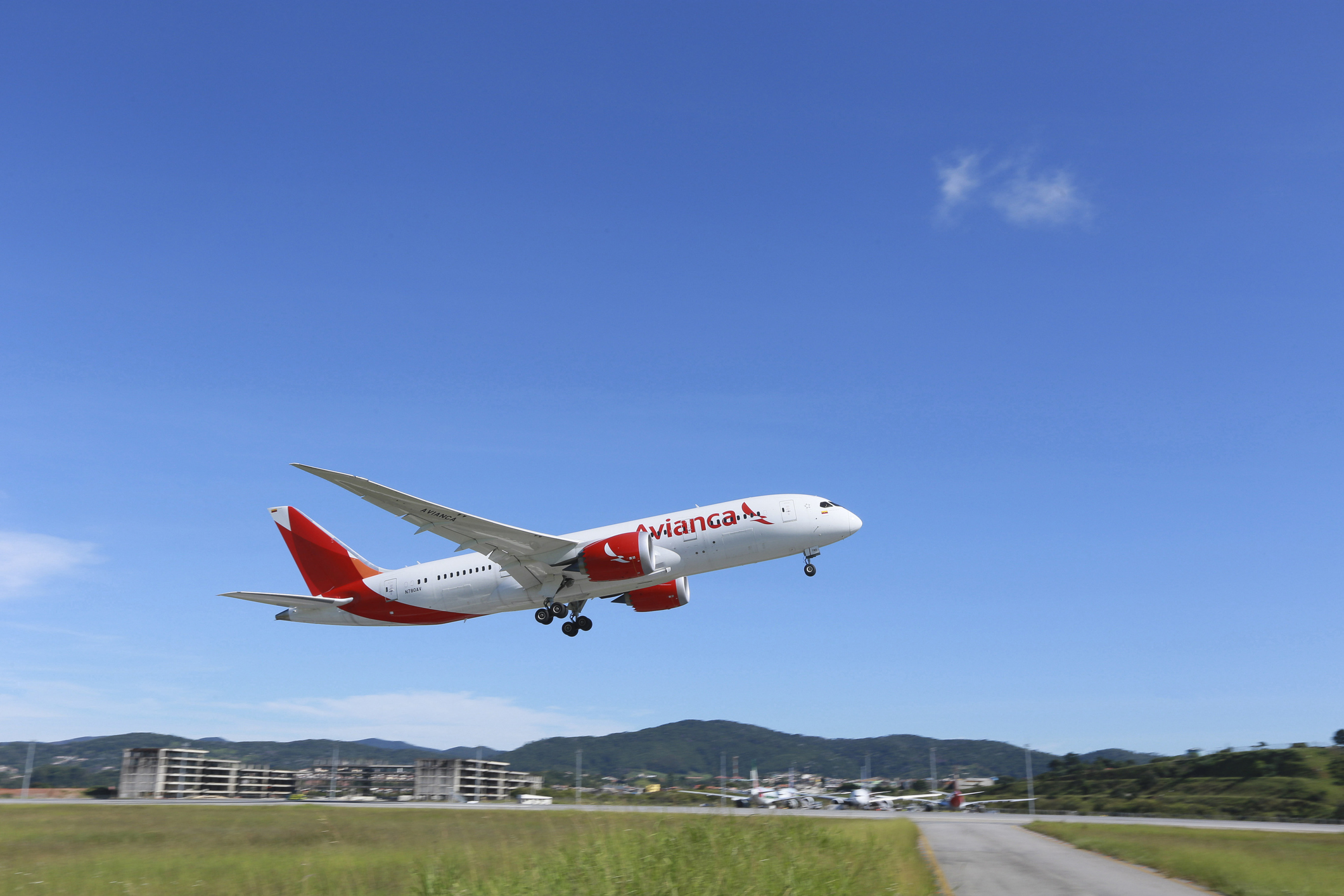
Then, starting in 2027, Avianca plans to introduce an entirely new business class cabin to its Boeing 787s with suites offering more privacy.
The new seats are the headline, but they’re only part of what Avianca is upgrading.
New Business Class Suites Are Coming in 2027
Avianca says its new business class cabin will begin rolling out aboard Boeing 787s in 2027.
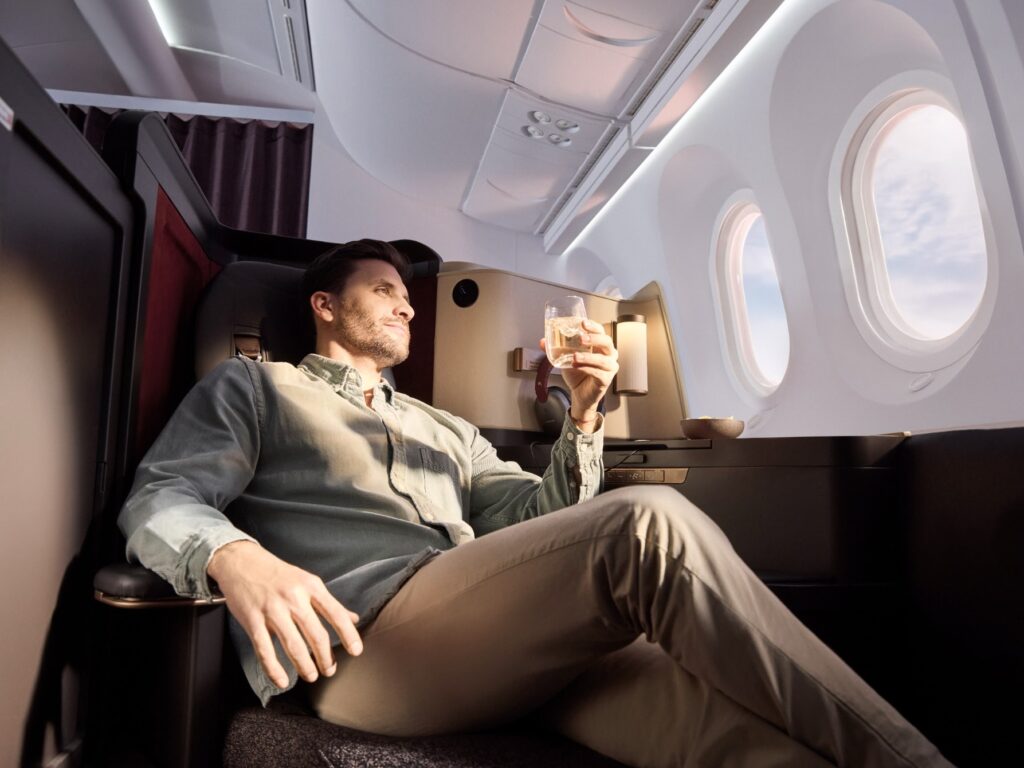
And based on the first images, this isn’t just a new cover on the same old seat. The new cabin will feature individual pods with much more privacy around each passenger, bringing Avianca closer to the enclosed, personal spaces that have become common in newer international business class cabins.
That’s a meaningful change on the flights where Avianca offers INSIGNIA. Its 787s fly to New York and across the Atlantic to Europe, where a good business class seat can turn an overnight flight into a place to eat, work, and, most importantly, get some sleep.
Avianca hasn’t shared many details yet, but we do know the first suites are scheduled to arrive next year.
AVIANCA
The Rest of Business Class Is Changing, Too
A new seat is nice, but there’s quite a bit more to a long-haul business class experience than the few square feet around it.
That’s where many of Avianca’s more immediate changes come in.
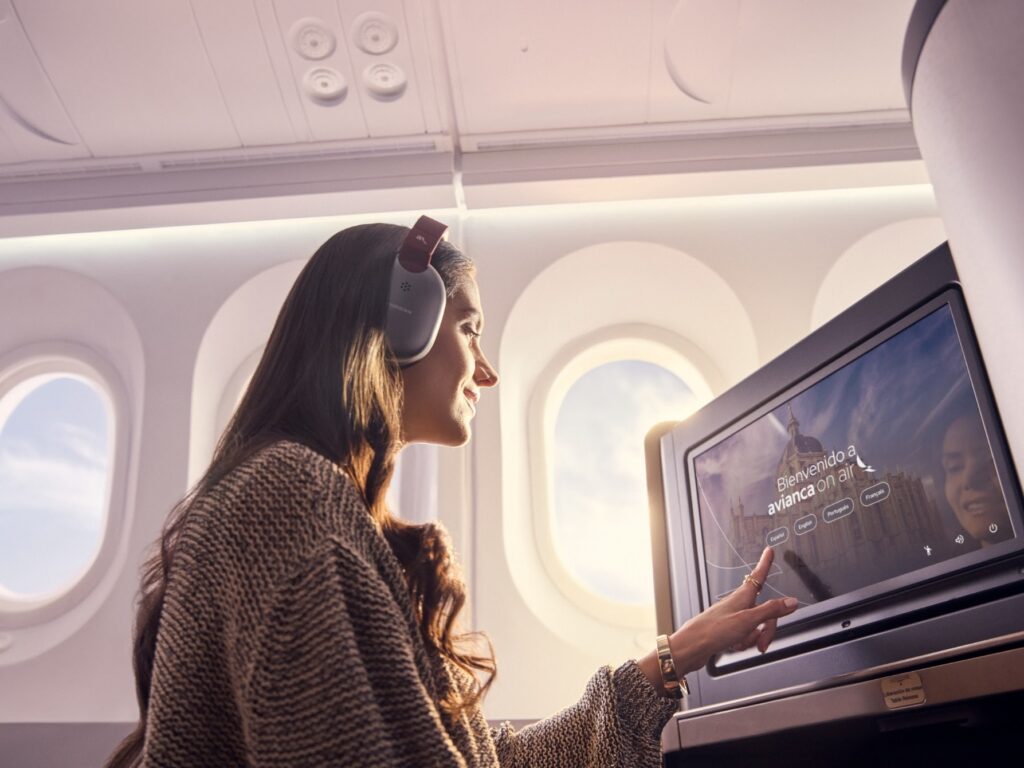
The airline is adding new noise-canceling headphones, pajamas and slippers, along with redesigned amenity kits. Meals are changing, too, with new menus from chefs Álvaro Clavijo and Rafael Buitrago that lean into Latin American flavors.
Those details aren’t nearly as flashy as a new suite, but they matter on a long flight. A lie-flat seat might be the biggest reason to book business class, but food, bedding, headphones, and service are what fill the other eight or nine hours onboard.
AVIANCA
Avianca is also putting more attention on service. More than 850 flight attendants have completed a business class training program focused on hospitality and etiquette.
So while the suites won’t start arriving until 2027, the experience around them is already getting some attention.
Avianca Wants to Be More Premium
These changes also say something about where Avianca is headed.
Avianca has spent the past several years adopting a much more stripped-down economy model on many of its flights. At the front of the cabin, though, it’s now putting more distance between the basic experience and what customers willing to pay more can get.
Avianca now offers Business Class Américas throughout its network within the Americas. It’s a much simpler product than INSIGNIA, typically using economy-style seats with the middle seat blocked rather than the beds found on the 787. That’s not nearly as exciting as a private suite, but it fits the same broader push to create a more distinct experience at the front of the plane.
The airline is also expanding onboard entertainment, gradually adding Wi-Fi, and renovating lounges, including its International Gold Lounge in San Salvador.
LifeMiles Could Make the New Suites Particularly Interesting
There’s another reason Avianca’s new 787 cabin matters.
LifeMiles are fairly easy to earn thanks to several transferable points programs, and they can be redeemed for Avianca flights. That means the new suites should eventually be bookable with miles rather than a four-figure business class fare.
How many miles they’ll cost and how easy they’ll be to book are questions for 2027.
For now, Avianca is improving the meals, amenities, and service surrounding its long-haul business class seats. Next year, the seats themselves start changing, too.
On the same day Hyatt announced the end of its exclusive loyalty relationship with American Airlines, it lined up its replacement, too.
Hyatt and Delta Air Lines announced Wednesday, September 9, that they’re forming a new long-term partnership. The relationship will formally launch in the coming months.
World of Hyatt elites will be able to earn Hyatt points on qualifying Delta flights, while Delta Medallion members will earn SkyMiles on qualifying Hyatt stays.
That’s about as specific as Hyatt and Delta are getting for now. The companies haven’t said which elite members will qualify, how much they’ll earn, or even exactly when the partnership will launch.
But the timing clears up at least some of the mystery from earlier Wednesday. Hyatt isn’t walking away from airline partnerships. It’s swapping one exclusive airline relationship for another.
World of Hyatt and Delta SkyMiles Members Will Be Able to Double Dip
The first confirmed benefit is reciprocal earning.
Eligible World of Hyatt elite members will earn Hyatt points on qualifying Delta airfare purchases in eligible fare classes. Delta Medallion members, meanwhile, will be able to earn SkyMiles on qualifying stays at participating Hyatt properties.
Those rewards will come on top of what members already earn through the program they’re doing business with. Naturally, this will create a chance to double dip across flights and hotel stays.
But there are still plenty of blanks to fill in.
Hyatt and Delta haven’t shared which elite tiers will qualify, the earning rates, which Delta fares or Hyatt properties will participate, or exactly when the partnership will launch. Enrollment details are also coming later.
And apparently, reciprocal earning is only the beginning. The companies say additional benefits and experiences will be unveiled later this year.
BOARDING1NOW / ISTOCK
Hyatt Is Swapping American for Delta
Earlier Wednesday, American and Hyatt announced that they won’t continue their enhanced loyalty relationship. American later confirmed to Points Insider that its exclusive Hyatt partnership expires in November and won’t be renewed.
A few hours later, Hyatt described its new relationship with Delta as exclusive.
That explains quite a bit.
MAK STUDIO / ISTOCK
We’ve covered the American breakup separately, including what happens to existing benefits and what AA told Points Insider about the decision. The short version is that a relationship that had already been scaled back in 2025 is winding down, while Hyatt is preparing to launch a new one with Delta.
There’s an interesting reversal here, too. American and Hyatt eliminated reciprocal earning last year. Hyatt and Delta are putting it back at the center of their new partnership, at least for eligible elite members.
However, the full details will determine whether that’s as useful as it sounds.
The partnership had already been watered down considerably in 2025, when American and Hyatt eliminated reciprocal bonus earning on flights and hotel stays in favor of rewards tied to each program’s elite status qualification system.
Now, those benefits are going away, too.
For the moment, little is changing. Members can continue earning and redeeming eligible benefits through the current earning year, with parts of the relationship stretching into early 2027.
American and Hyatt Are Going Their Separate Ways
American and Hyatt have worked together since 2019. Initially, eligible elite members could earn bonus AAdvantage miles on Hyatt stays or bonus World of Hyatt points on American flights after linking their accounts.
That arrangement changed in 2025. Rather than earning bonus points or miles whenever they stayed or flew, members began unlocking benefits in the other program through AAdvantage Loyalty Point Rewards and World of Hyatt Milestone Rewards.
Those are the benefits now headed for the exit.
American and Hyatt issued nearly identical statements Wednesday, saying the decision came “after careful consideration.”
“We have mutually decided to not continue our enhanced relationship.”
The initial announcement didn’t offer much more explanation than that. But an American spokesperson provided Points Insider with some additional context, confirming that what it described as the “exclusive loyalty partnership” with Hyatt expires in November and won’t be renewed.
American said it’s focused on partnerships that provide AAdvantage members with “global scale and premium experiences” while also building relationships that are beneficial to customers and the airline’s financial outlook.
The reference to exclusivity is what sticks out.
Air Canada and Hyatt recently announced a new enhanced partnership between Aeroplan and World of Hyatt, giving members opportunities to earn rewards and access status benefits across the two programs.
We specifically asked American whether Hyatt’s new Aeroplan partnership played a role in the decision not to renew its exclusive relationship. The airline didn’t address that question.
KAMERAWORLD / ISTOCK
Current Benefits Aren’t Disappearing Immediately
Members who already leverage the American and Hyatt partnership have some time before the biggest changes take effect.
AAdvantage members who link their American and Hyatt accounts by November 15, 2026, can continue earning World of Hyatt awards through AAdvantage Loyalty Point Rewards through February 28, 2027.
World of Hyatt members who link their accounts by November 15 can continue earning AAdvantage awards through Milestone Rewards through December 31, 2026.
Benefits already earned won’t suddenly disappear, either. Both companies say members will receive the usual amount of time to select an award after earning it.
One American and Hyatt Benefit Is Sticking Around
Not everything is going away.
AAdvantage members will still be able to earn 500 AAdvantage miles on eligible Hyatt stays after the broader relationship ends. Members can choose to earn the miles instead of World of Hyatt points by providing their AAdvantage number at check-in.
It’s a much narrower tie-up than what American and Hyatt once offered, but the two programs aren’t severing ties completely.
JHVEPHOTO / ISTOCK
Why End the Partnership Now?
That’s still the big unanswered question.
American’s response offers a glimpse at what the airline wants from its loyalty partnerships, including global scale, premium experiences, and relationships that make financial sense. But it doesn’t explain why the Hyatt relationship no longer fits that strategy.
The timing of Hyatt’s new Aeroplan partnership, coupled with American’s description of its Hyatt agreement as exclusive, makes the question particularly interesting.
For now, though, there’s no confirmation that the two developments are connected.
And the practical impact won’t be immediate. Members have several more months to earn benefits before the relationship winds down, and the option to earn AAdvantage miles instead of Hyatt points will remain.
But the broader partnership has been shrinking for some time. It lost reciprocal earning in 2025, will lose its remaining cross-program milestone benefits over the coming months, and its exclusive contract expires in November.
Flying Blue members now have more options when booking award flights with Air France and KLM.
The joint loyalty program of Air France and KLM announced the change in mid-August, and the new pricing went live Tuesday, September 8. Instead of a single award option, flights now come in three flavors: Light, Standard, and Flex.
The names are pretty straightforward. Light costs fewer miles and includes less. Standard sits in the middle. Flex costs more miles in exchange for more flexibility and included benefits.
But the differences aren’t limited to mileage prices.
Depending on the tier, checked bags, changes and refunds, seat selection, and even business class lounge access can come and go. Flex awards can also require considerably less cash alongside the miles.
Ultimately, choosing which award to book now takes a little more thought.
Flying Blue Awards Now Come in Three Tiers
Flying Blue modeled the new award tiers after the fares Air France and KLM already sell on paid tickets.
The three options apply to new award bookings on flights operated and marketed by Air France and KLM. Awards on partner airlines aren’t changing. If an itinerary combines an Air France or KLM flight with a partner flight, Standard will be the only option.
SJO / ISTOCK
At the most basic level, the three tiers work like this:
Light: Fewer miles, fewer included benefits, and no changes or refunds.
Standard: More miles, additional baggage, and changes or refunds for €70.
Flex: The most miles, more included benefits, and changes and refunds without a fee.
Exactly what’s included depends on the cabin.
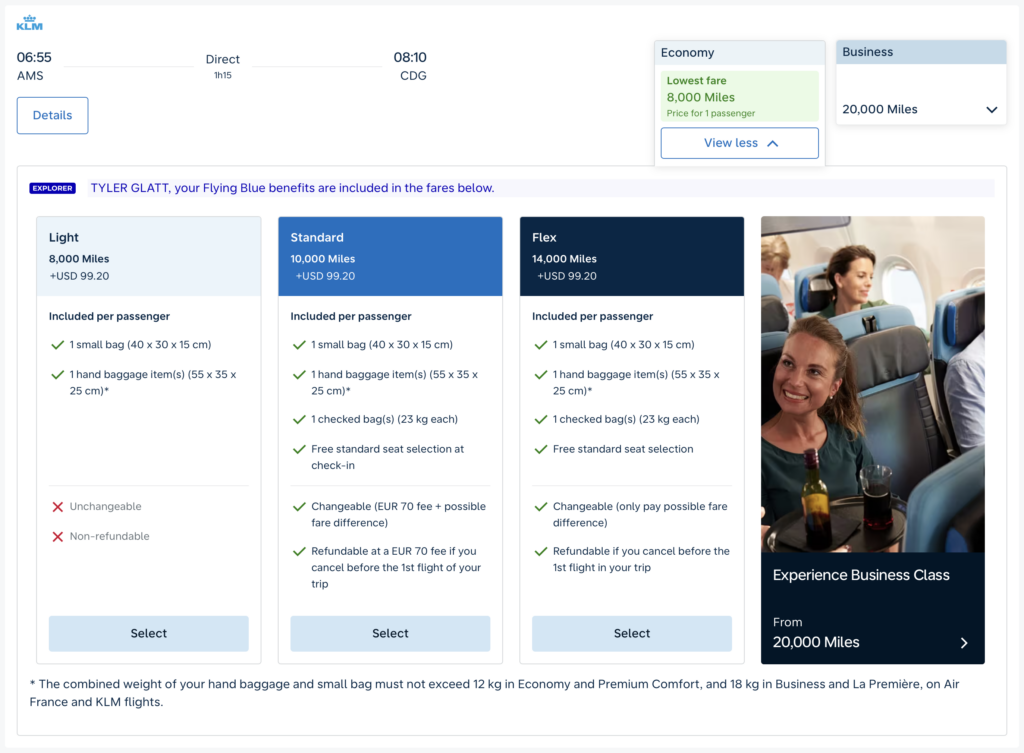
A short economy flight from Amsterdam (AMS) to Paris (CDG) gives a good idea of how the new pricing works.
Award
Miles
Taxes and Fees
Light
8,000
$99.20
Standard
10,000
$99.20
Flex
14,000
$99.20
KLM.COM
Light costs 8,000 miles but doesn’t include a checked bag. It also can’t be changed or refunded.
For another 2,000 miles, Standard adds a checked bag and free standard seat selection at check-in. Changes and refunds are allowed for €70, with any fare difference also due when changing a flight.
Flex costs 14,000 miles. It adds advance standard seat selection and removes the change and refund fees.
On a short flight like this, the differences are relatively easy to weigh. Light saves 6,000 miles over Flex but comes with far fewer options if plans change. Standard splits the difference at 10,000 miles.
Long-haul awards are where the gaps start getting larger.
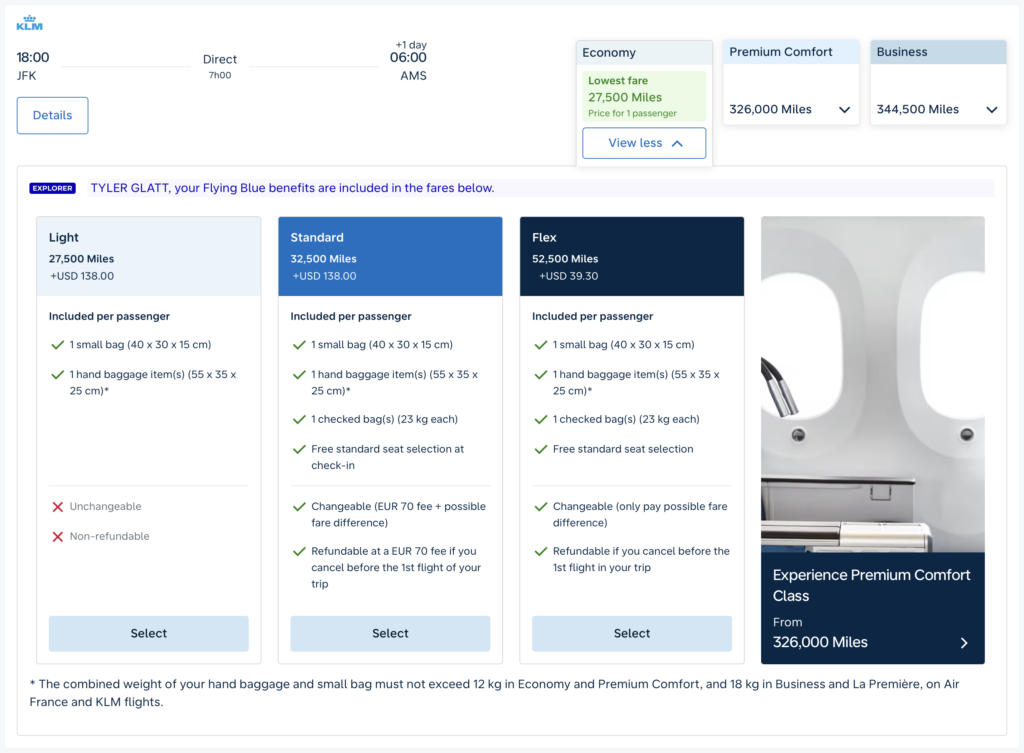
A KLM economy flight from New York (JFK) to Amsterdam (AMS) shows just how far apart the three options can get.
The Light award starts at 27,500 Flying Blue miles.
Award
Miles
Taxes and Fees
Light
27,500
$138
Standard
32,500
$138
Flex
52,500
$39.30
KLM.COM
Light saves 5,000 miles compared with Standard, but there’s no checked bag and no option to change or refund the ticket.
Standard adds the checked bag and allows changes and refunds for €70.
Flex is a much bigger jump at 52,500 miles. That’s another 20,000 miles over Standard for the same economy seat.
There’s something else happening with the price, though. The cash portion drops from $138 to $39.30.
That’s by design. Flying Blue said when it announced the changes that Flex awards would come with a lower mandatory cash contribution.
So the choice isn’t always between spending fewer or more miles for extra flexibility. On some awards, it’s also a choice between spending more miles or more cash.
Business Light Comes With an Even Bigger Catch
The biggest tradeoff might be in business class.
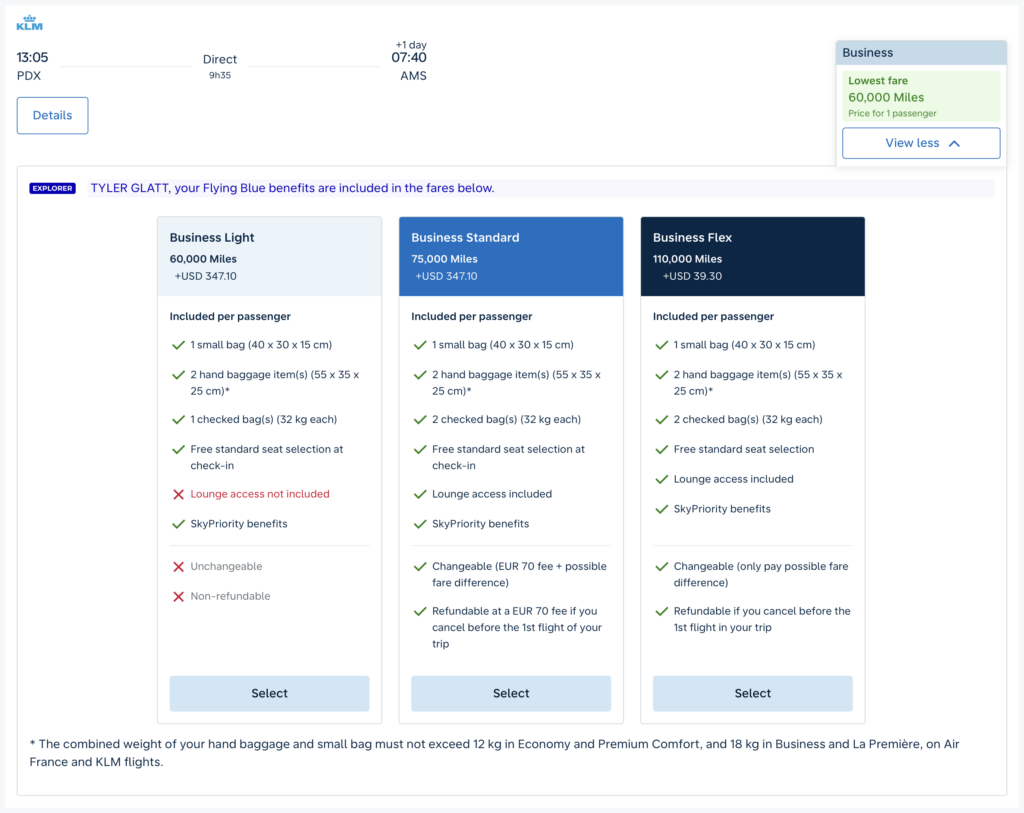
Business Light still includes the business class seat, SkyPriority, two carry-ons, one checked bag weighing up to 32 kilograms, and standard seat selection at check-in.
But lounge access isn’t included.
That’s a notable change for anyone accustomed to thinking of lounge access as part of the business class experience on Air France or KLM.
Here’s how the three options priced on a flight from Portland (PDX) to Amsterdam (AMS):
Award
Miles
Taxes and Fees
Business Light
60,000
$347.10
Business Standard
75,000
$347.10
Business Flex
110,000
$39.30
KLM.COM
Business Light saves 15,000 miles compared with Standard, but lounge access isn’t the only thing missing. Light includes one checked bag instead of two, and the award can’t be changed or refunded.
Standard costs 75,000 miles and brings those benefits back. Lounge access and a second checked bag are included, while changes and refunds cost €70.
Business Flex goes all the way to 110,000 miles. It includes advance standard seat selection, two checked bags, lounge access, and changes and refunds without a fee.
The cash difference is notable, too. Light and Standard both require $347.10. Flex requires just $39.30.
That’s more than $300 less out of pocket, but it comes at the cost of another 35,000 miles over Standard.
Flying Blue Status Can Change the Equation
Flying Blue status can make some of these choices look different.
Status benefits still apply regardless of which award tier is booked. That includes benefits such as additional baggage allowances and waived change and refund fees where applicable.
Flying Blue even accounts for this on the booking page, showing applicable status benefits above the Light, Standard, and Flex options.
OLRAT / ISTOCK
For someone with status, that could make a cheaper Light award more attractive. If an existing status benefit already covers something Light leaves out, spending more miles on Standard or Flex may not add as much.
Without status, there’s more reason to look closely at what’s included before going with the lowest mileage price.
Flying Blue miles are relatively easy to earn without flying Air France or KLM. The program partners with American Express Membership Rewards, Capital One miles, Chase Ultimate Rewards, and Citi ThankYou Rewards, among others.
That’s a big part of what makes Flying Blue useful. Points already sitting in one of those programs can be transferred when an award comes along.
That hasn’t changed. But redeeming those miles on Air France and KLM now comes with a few more things to consider.
Light can save a meaningful number of miles, but it can also mean no checked bag, no changes or refunds, and even no lounge access in business class. Standard adds many of those benefits back. Flex can require substantially more miles, but comes with fewer restrictions and a lower cash contribution.
The 60,000-mile Business Light example sums up the tradeoff pretty well. Saving 15,000 miles over Standard is meaningful. So is giving up lounge access, a second checked bag, and the ability to change or cancel the trip.
The cheapest Flying Blue award may still be the one worth booking. It’s just no longer the only number worth looking at.
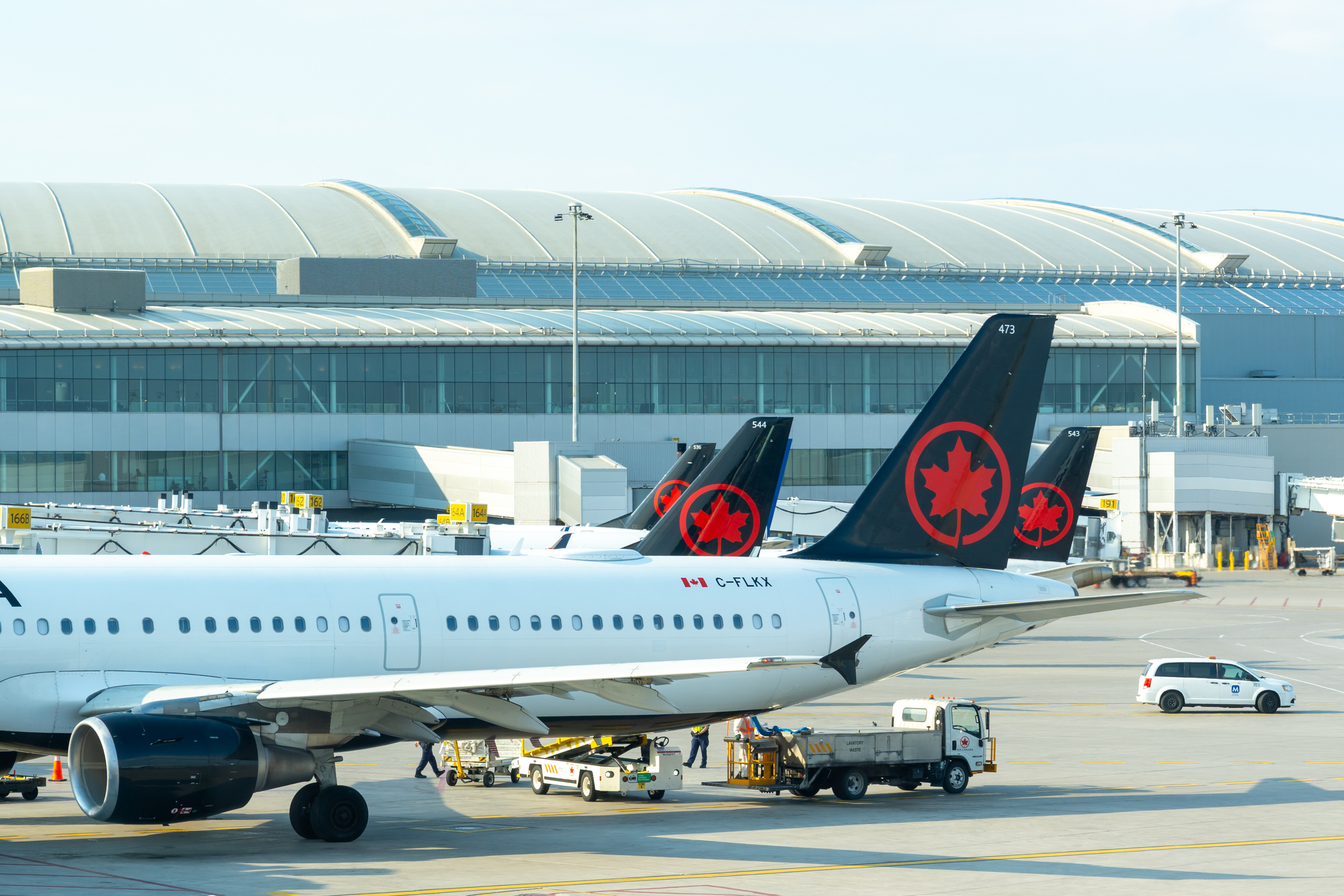
Air Canada is planning a major international expansion for next summer.
On September 3, it announced that it plans to add five destinations to its network and launch seven new routes across Europe, Asia, and Latin America.
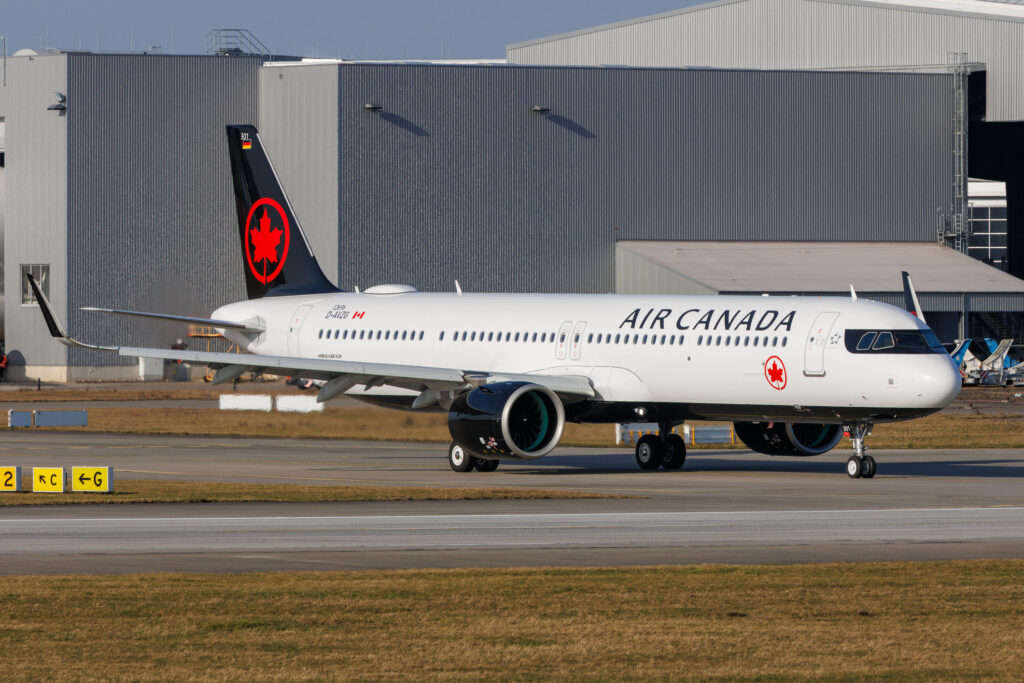
The additions touch all three of Air Canada’s major hubs in Toronto (YYZ), Montréal (YUL), and Vancouver (YVR). And several of the new routes will put the airline’s growing Airbus A321XLR fleet to work on thinner routes across the Atlantic.
All of the new flights are already on sale for travel in 2027.
Air Canada’s New International Routes for 2027
Five destinations are completely new to Air Canada’s network.
From Toronto, Air Canada will add seasonal flights to Oslo (OSL), Shannon (SNN), and Nice (NCE). Montréal gets new seasonal service to Basel (BSL) and Dubrovnik (DBV), while Vancouver will get a new year-round route to Guangzhou (CAN).
Route
Starts
Aircraft
Vancouver (YVR) → Guangzhou (CAN)
May 4
Boeing 787
Toronto (YYZ) → Oslo (OSL)
June 2
Airbus A321XLR
Toronto (YYZ) → Shannon (SNN)
June 10
Airbus A321XLR
Toronto (YYZ) → Nice (NCE)
June 16
Airbus A330-300
Montréal (YUL) → Dubrovnik (DBV)
May 11
Boeing 787
Montréal (YUL) → Basel (BSL)
June 16
Airbus A321XLR
Air Canada is also bringing back its Toronto to London Heathrow (LHR) daytime flight. This will give it seven new routes in total.
There are several other schedule changes coming. Toronto to Shanghai (PVG) will increase to daily service, while Toronto to Guatemala City (GUA) will become year-round.
Air Canada is also extending its Montréal flights to Tenerife (TFS), Lima (LIM), and Guatemala City to operate year-round.
The A321XLR Is Opening New Doors
Three of Air Canada’s five new destinations will be served by the Airbus A321XLR.
That’s notable because the XLR is much smaller than the widebody aircraft traditionally used for long-haul international flying. Its range allows Air Canada to connect cities across the Atlantic without committing a Boeing 787 or another large aircraft to the route.
For 2027, that means Toronto gets nonstop flights to Oslo and Shannon, while Montréal gets a new connection to Basel. The aircraft will have two cabins, including Air Canada Signature Class with lie-flat seats.
ANTONIO PIRRO / ISTOCK
This is a strategy we’re seeing play out elsewhere, too. American and United both announced new international routes in August for next summer that will make use of their own A321XLR fleets.
And Air Canada isn’t done expanding. The airline says more network announcements are coming and teased that details about its first Boeing 787-10 routes will be revealed in the coming months.
The airline says at least seven additional lounges are planned over the following several years. This will put its initial network at 11 or more locations.
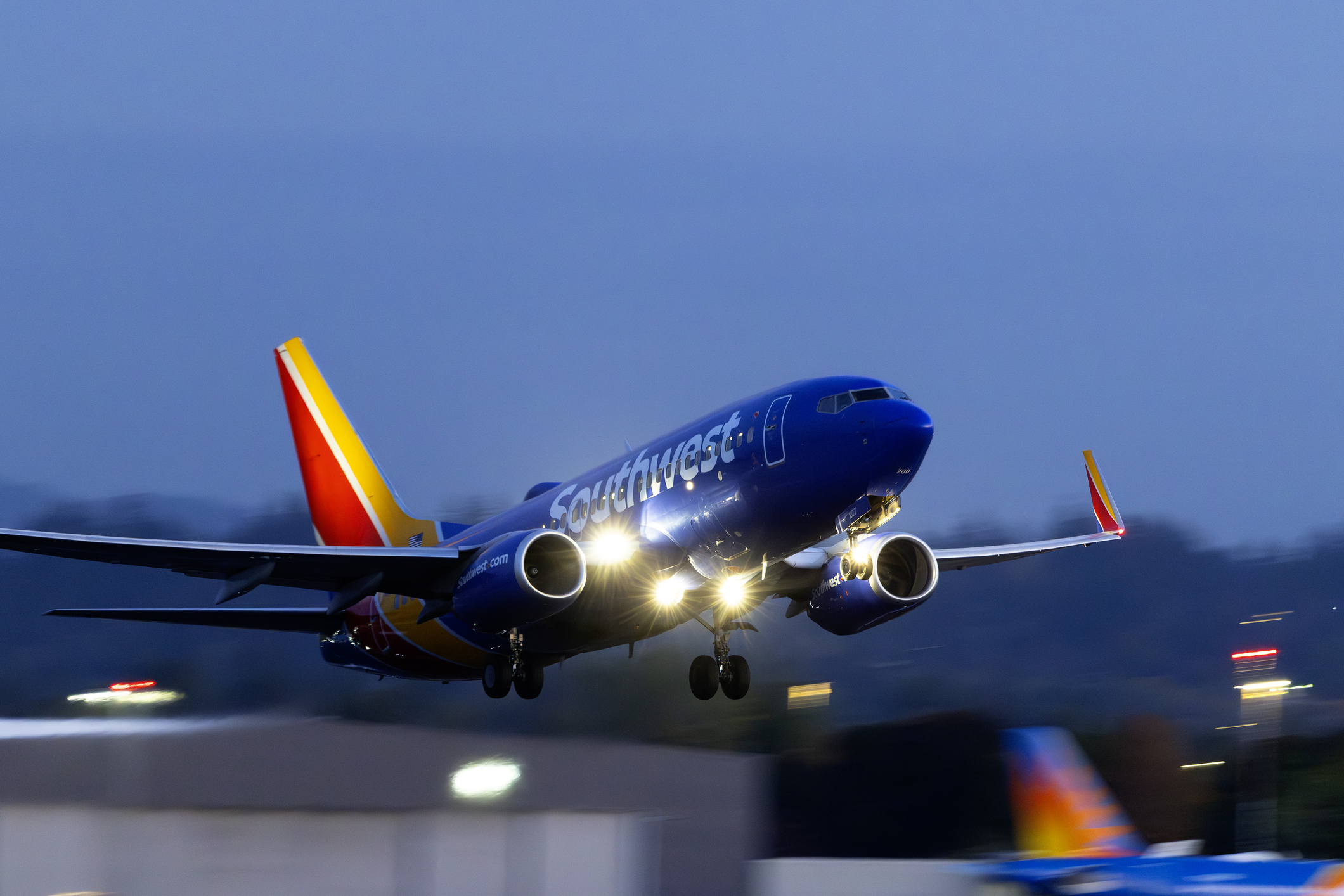
It goes without saying that these developments are another massive shift for Southwest, which has changed a lot about its experience in recent years. The airline has introduced assigned seating and extra-legroom seats, ended its long-standing two-free-checked-bags policy for most customers, and increasingly added products aimed at customers willing to pay more for their trip.
Now, that experience will extend into the airport.
Southwest’s First Lounges Are Coming to 4 Airports
Construction is already underway on Southwest’s first four lounges at:
Austin-Bergstrom International Airport (AUS)
Baltimore/Washington International Thurgood Marshall Airport (BWI)
Daniel K. Inouye International Airport (HNL)
Nashville International Airport (BNA)
Southwest expects to begin welcoming guests in late 2027, though it hasn’t provided opening dates for the individual locations.
JOHN CHASE / ISTOCK
The airline is working with Chase on the lounges and plans to draw on the bank’s existing Chase Sapphire Lounge network. Southwest says the spaces will combine its own approach to hospitality with locally inspired dining, more sophisticated design, and amenities and travel benefits already found in Chase’s lounges.
For now, that’s about as specific as Southwest is getting.
The airline hasn’t revealed the size or exact location of the first lounges, what amenities each will offer, or where the next seven or more locations will be. We don’t have renderings yet, either.
The initial airport choices do offer a sense of where Southwest is starting. Austin, Baltimore, Honolulu, and Nashville are all significant Southwest markets.
And with at least 11 lounges now in the pipeline, this is intended to become a network rather than a handful of experiments.
A New Premium Southwest Credit Card Is Coming, Too
Southwest will also introduce a new premium Rapid Rewards credit card from Chase in 2027. The card is slated to provide access to the new lounges.
That’s just about all we know about the card for now.
Southwest hasn’t announced its annual fee, welcome offer, other benefits, or exactly how lounge access will work. We also don’t yet know whether there will be other ways to enter the lounges, including for customers with certain Southwest tickets or elite status.
There are also some interesting questions about how the Southwest and Chase lounge networks will overlap.
Southwest hasn’t said whether Chase Sapphire Reserve cardholders will receive access to Southwest lounges or whether holders of the new Southwest card will have any access to Chase Sapphire Lounges.
Those details will come later. But the new card and lounge network indicate that Southwest is continuing its push to offer more to customers willing to pay for a premium experience.
American Airlines has been preparing to say goodbye to Flagship First for years. Until now, we just didn’t know when the airline would make it official.
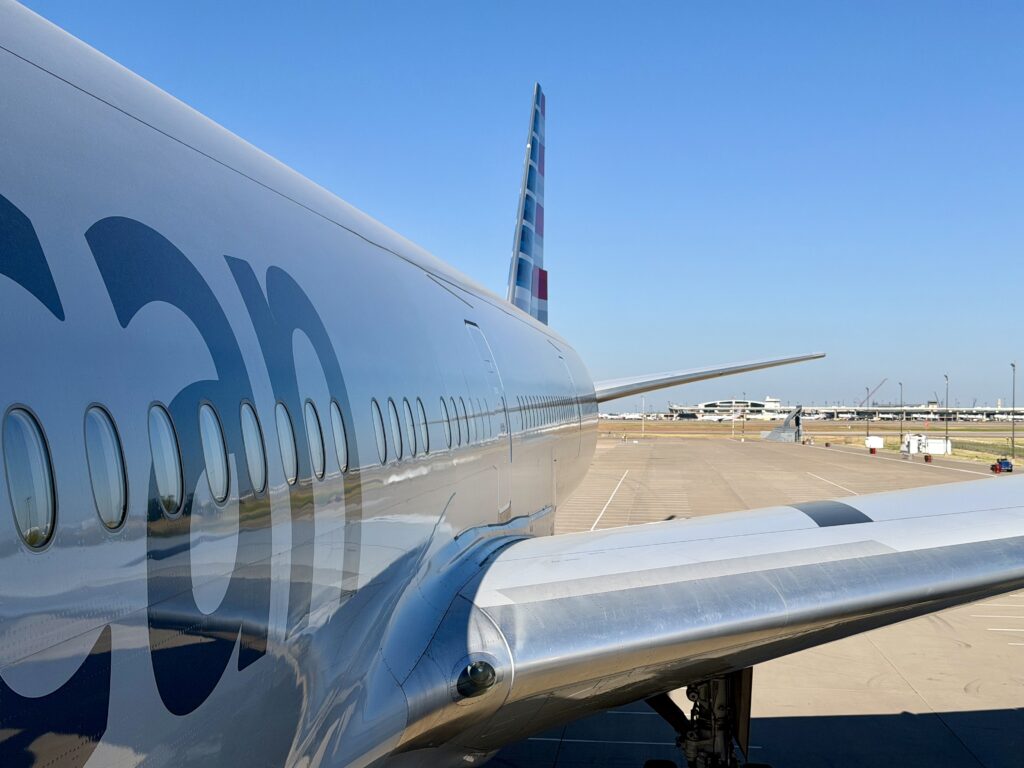
On September 2, American announced that Flagship First will no longer be available for purchase on its Boeing 777-300ERs for travel beginning November 19, 2026. The airline will then stop selling Flagship First on its premium transcontinental routes for travel beginning March 28, 2027.
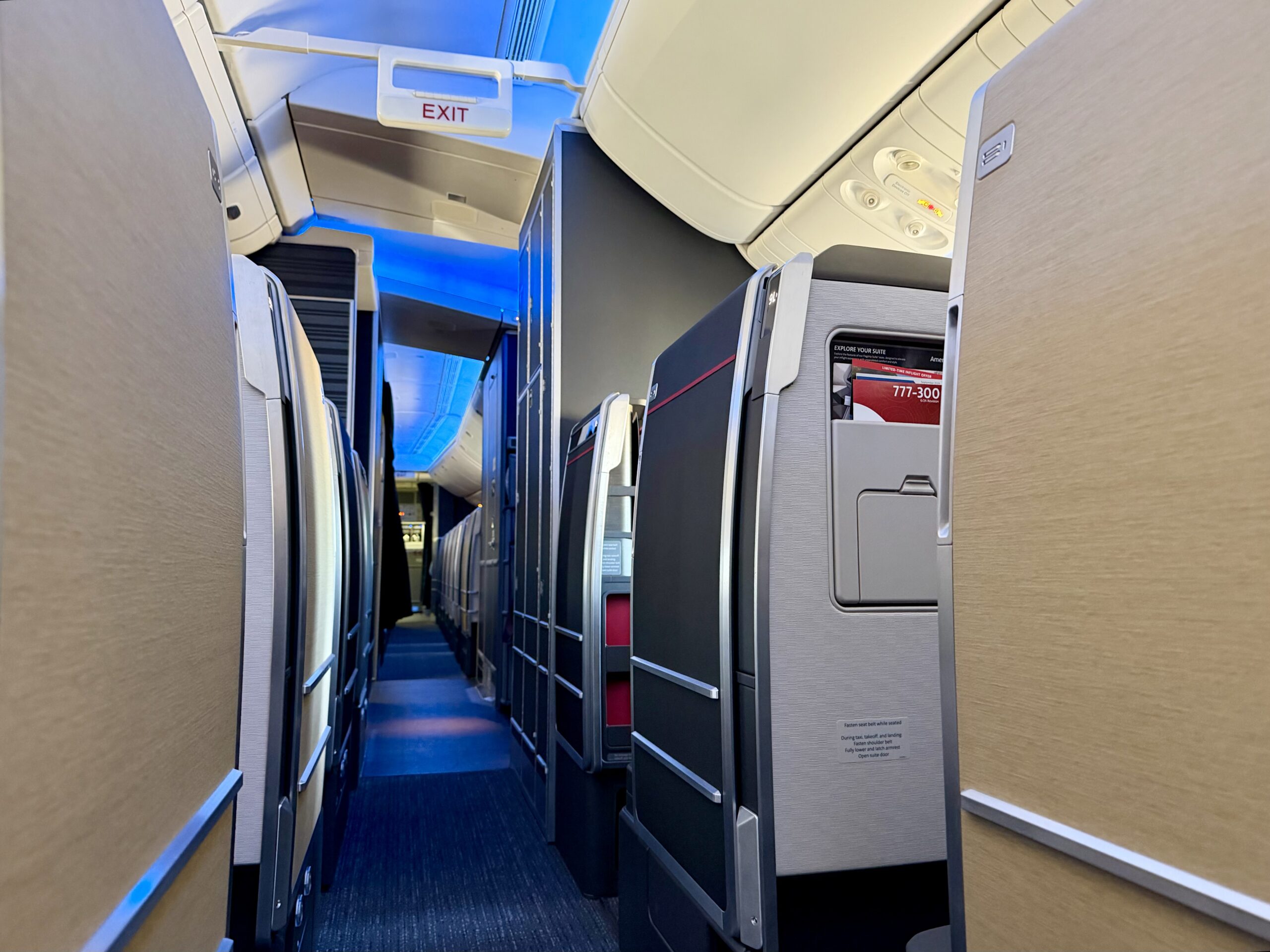
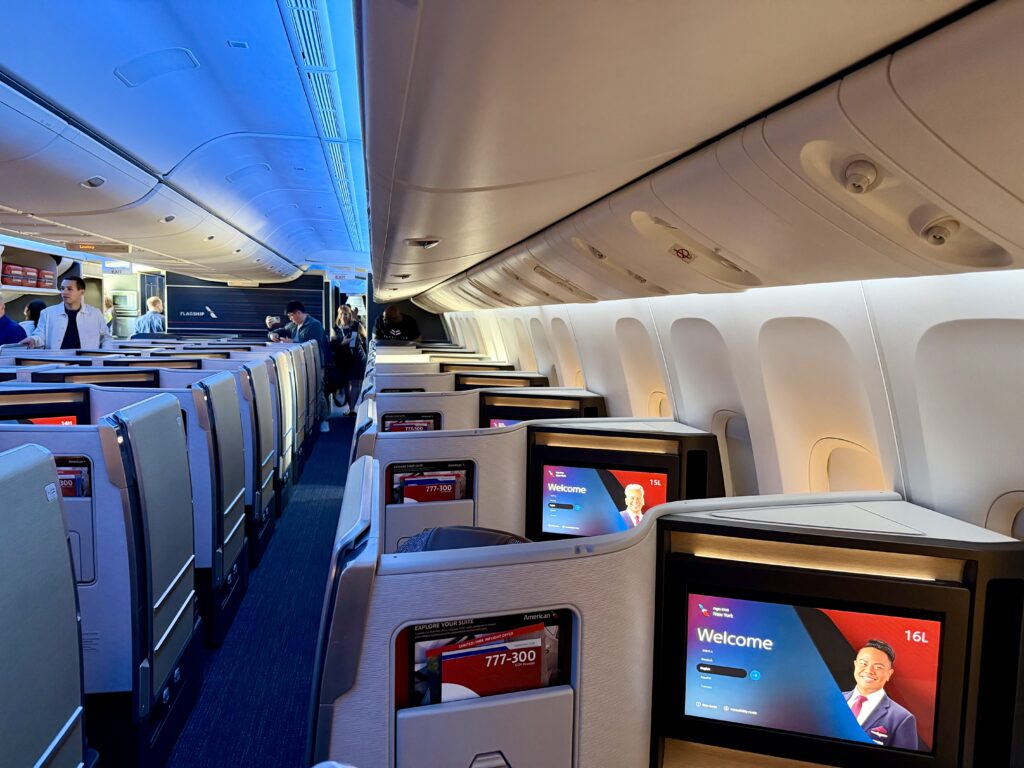
That will bring an end to American’s dedicated first-class cabin and leave the newer Flagship Suite as the airline’s top premium product.
It’ll also mark the end of an era for U.S. airlines.
American is the last U.S. carrier to offer a true international first-class cabin, something Delta and United abandoned years ago in favor of increasingly elaborate business-class products.
Flagship First Is Disappearing From the 777-300ER
American currently offers Flagship First on two aircraft: the Boeing 777-300ER used on long-haul international routes and the Airbus A321T used primarily on premium transcontinental routes from New York (JFK) and Boston (BOS) to the West Coast.
The airline has been working toward eliminating both versions for some time.
TYLER GLATT / POINTS INSIDER
American’s 20 Boeing 777-300ERs are being retrofitted with new interiors that replace the eight-seat Flagship First cabin with a much larger business-class cabin. The work is expected to be completed by mid 2027.
The new configuration has 70 Flagship Suite seats with privacy doors, 44 Premium Economy seats, 30 Main Cabin Extra seats, and 186 standard Main Cabin seats.
The first retrofitted 777-300ER enters commercial service on September 2 between New York (JFK) and Buenos Aires (EZE) as flight AA953.
American says Flagship First will no longer be available for purchase on the 777-300ER for travel beginning November 19.
Transcontinental First Class Gets a Few More Months
Flagship First will hang around a little longer on American’s transcontinental routes.
The Airbus A321T has an unusual three-cabin configuration with Flagship First, Flagship Business, and economy. But that premium-heavy configuration is also on its way out.
American is reconfiguring the A321Ts with a more standard layout as Airbus A321XLRs take over premium transcontinental flying.
The XLR still has a premium layout, but there’s no separate first-class cabin. Instead, it has 20 Flagship Suite seats, followed by 12 Premium Economy seats and 123 seats in Main Cabin.
But the XLR’s Flagship Suite isn’t identical to the version found on American’s new Boeing 787-9P (the P stands for premium) and retrofitted 777-300ER. The XLR requires a different seat design because of its narrower cabin.
As more XLRs enter the fleet, American says Flagship First will no longer be sold on transcontinental routes for travel beginning March 28, 2027.
That means Flagship First will disappear in two stages: first from international flying this November, then from the transcontinental network next March.
Flagship Suite Becomes American’s Top Seat
American revealed plans years ago that would ultimately eliminate Flagship First as it introduced its new Flagship Suite.
What’s new is that the airline has finally put dates on the transition that’s already well underway.
TYLER GLATT / POINTS INSIDER
Once Flagship First disappears, Flagship Suite will officially take over as American’s top long-haul product.
In many ways, the change makes sense. The differences between first and business class have been shrinking for years. Today’s best business-class seats offer privacy doors, direct aisle access, better bedding, and many of the features that once helped set international first class apart.
But that doesn’t mean there won’t be some nostalgia for Flagship First. American is the last U.S. airline to offer a true international first-class cabin, and its retirement will bring that era to an end.
So for anyone hoping to experience Flagship First one last time, or for the first time, the clock is now officially ticking.
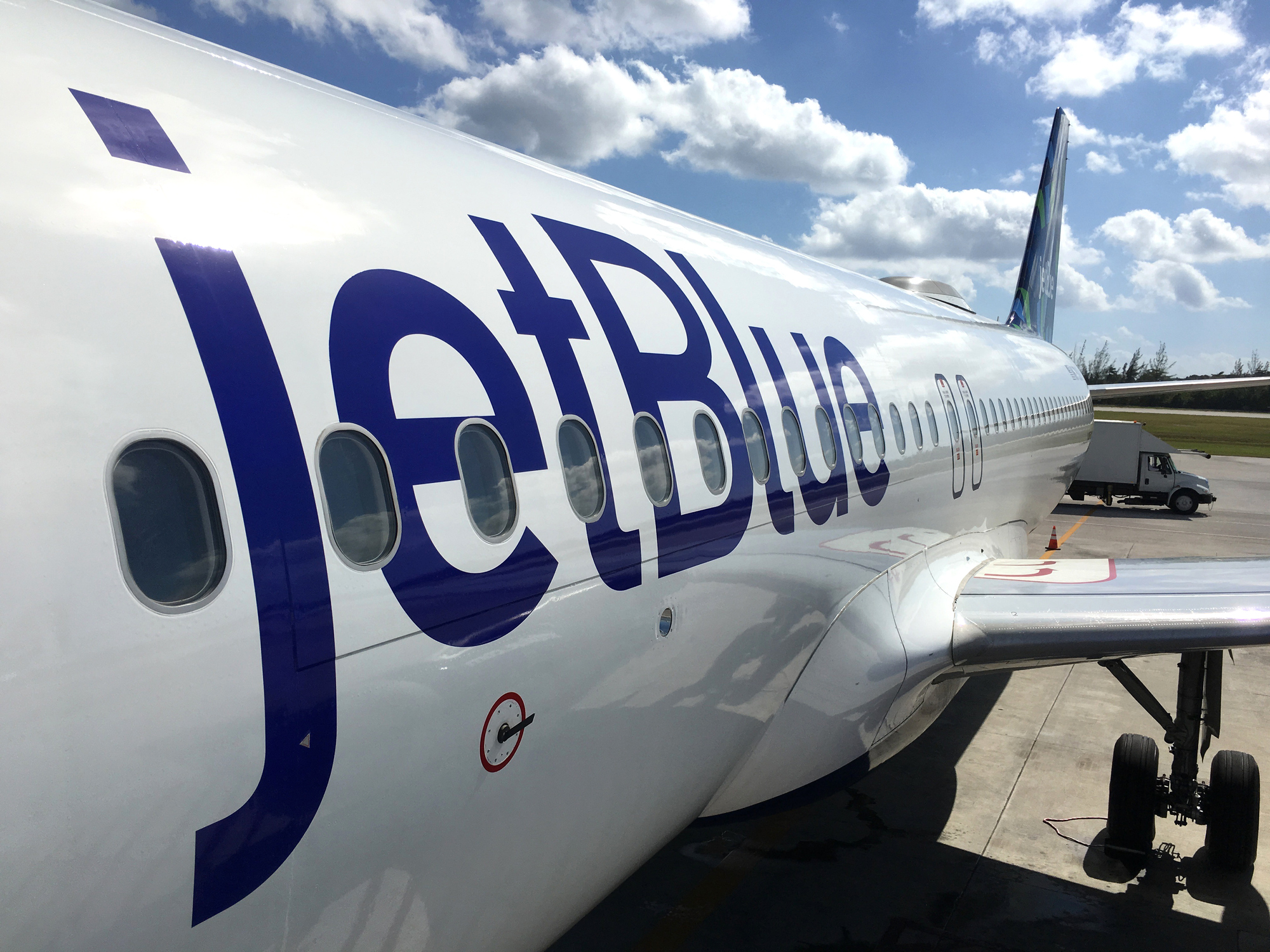
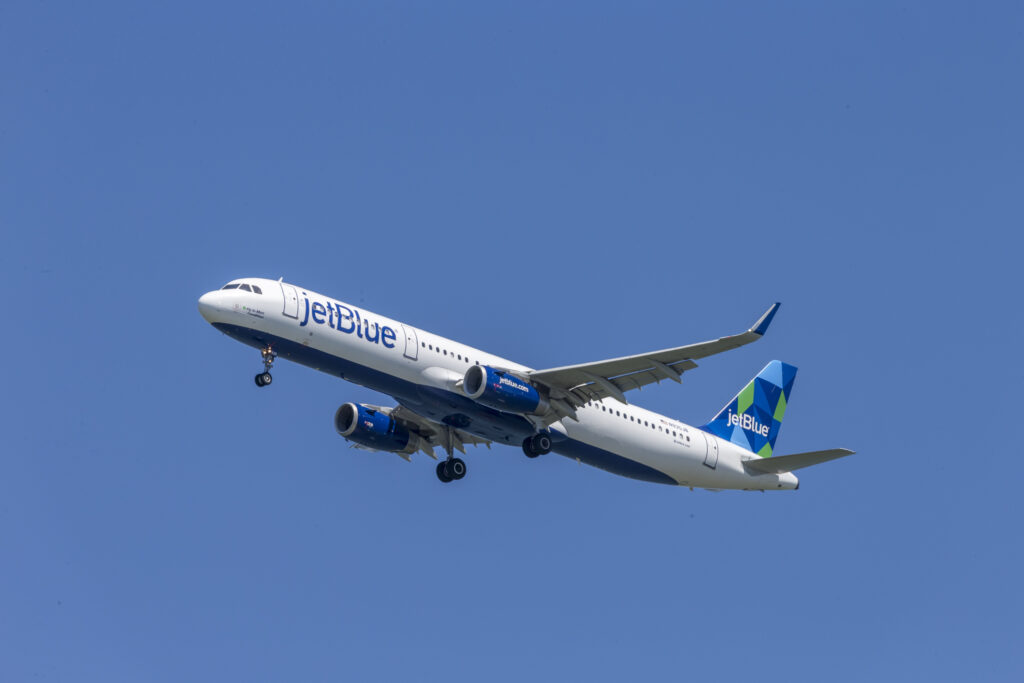
JetBlue is getting ready to launch its take on first class. And now we know more about what the experience will look like.
The airline revealed new details Tuesday about BlueFirst, its domestic first-class product. The first aircraft with BlueFirst will take off later this year, and tickets will become available to book sometime this fall.
Where BlueFirst will fly first is still a mystery. But JetBlue says initial routes and more details about booking availability will be announced later this year.
What to Expect From JetBlue BlueFirst
BlueFirst will feature a fairly traditional domestic first-class layout, with seats arranged 2-2 in the first few rows of the plane. They’ll offer five inches of recline and up to seven inches more legroom than JetBlue’s standard Main seats.
Each seat will have a 13.3-inch entertainment screen with Bluetooth connectivity, plus USB-A, USB-C, and standard power outlets. Free inflight Fly-Fi isn’t going anywhere.
But as JetBlue executives told Points Insider at the recent opening of the airline’s Boston BlueHouse, the goal isn’t to copy what everyone else is doing in first class.
JetBlue sees an opportunity to put its own spin on the experience while sticking to what executives described as “affordable luxury.”
SPONDYLOLITHESIS / ISTOCK
The seat itself doesn’t stray far from the domestic first-class formula. Some of JetBlue’s more interesting twists come with the service.
BlueFirst customers will be able to order food and drinks from the seatback screen. A new “Mixologist Mode” will even let passengers build a cocktail by choosing a spirit, mixer, and flavorings before sending the order to the crew.
On flights of at least 899 miles, meals will include an entrée, side, and dessert served in a bento-inspired box. Premium snacks will be available on every flight, while passengers on overnight flights will get a blanket and snooze kit.
“Domestic first class has become easy to predict. We think it’s time for a fresh take,” JetBlue CEO Joanna Geraghty said. “Customers are increasingly looking for more premium experiences, and BlueFirst gives them an elevated experience that feels distinctly JetBlue.”
BlueFirst also comes with the more familiar first-class perks, including Group 1 boarding, dedicated overhead bin space, priority check-in and baggage delivery, two free checked bags, and expedited security lanes at more than 30 airports.
JetBlue will share more about Mosaic perks for BlueFirst closer to its arrival.
Another Piece of JetBlue’s Premium Push
BlueFirst isn’t meant to replace Mint. Instead, it fills a big hole by giving JetBlue a bona fide premium cabin on routes where it doesn’t offer lie-flat seats.
Passengers will be able to book BlueFirst on routes not served by a Mint-equipped aircraft.
It’s also the latest piece of a much bigger shift for the airline. JetBlue now has BlueHouse lounges in New York (JFK) and Boston (BOS). And BlueFirst brings that premium push onto more of its airplanes.
We still don’t know where BlueFirst will debut or, more importantly, how much it will cost.
And the price may ultimately tell us just as much about whether JetBlue can deliver on its vision of “affordable luxury” as the cocktails and bigger seats do.