Tag: Elite Status

Travel

  • United Changes Premier Status Rules for 2027, With More Emphasis on Spending

    United Changes Premier Status Rules for 2027, With More Emphasis on Spending

    As the year winds down, United Airlines is among the first major U.S. carriers to announce changes to its loyalty program for 2027.

    And some of them are pretty significant.

    The airline is eliminating one of the two ways travelers can qualify for MileagePlus Premier status and increasing the requirements for Premier 1K.

    The changes, announced October 13, are most consequential for frequent flyers who have traditionally qualified through a combination of Premier qualifying flights (PQF) and Premier qualifying points (PQP).

    United is also changing how members receive their annual starter PQP deposits. To spoil it: The benefit will become exclusive to eligible credit cardholders. Meanwhile, the airline is increasing the number of PQP members can earn through spending on its premium United Club credit cards.

    Here’s what’s changing for 2027.

    United Is Eliminating Its Flight-Based Qualification Option

    Currently, MileagePlus members have two ways to qualify for Premier status: earn a combination of PQF and PQP, or earn a higher number of PQP without meeting the additional flight-count requirement.

    Starting January 1, 2027, United will eliminate the PQF-based qualification option. Members will instead qualify based on PQP earned through eligible flights and credit card spending.

    Here’s how next year’s requirements compare to this year’s:

    Premier Status2026 PQP + PQF Requirement2026 PQP-Only Requirement2027 PQP Requirement
    Silver5,000 PQP + 15 PQF6,000 PQP6,000 PQP
    Gold10,000 PQP + 30 PQF12,000 PQP12,000 PQP
    Platinum15,000 PQP + 45 PQF18,000 PQP18,000 PQP
    1K22,000 PQP + 60 PQF28,000 PQP32,000 PQP

    Members will still need to take at least four flights operated by United or United Express each year to qualify for Premier status.

    For travelers who already qualify through PQP alone, the requirements for Silver, Gold, and Platinum aren’t changing.

    Those who previously relied on the combination of flights and PQP, however, could face considerably higher requirements.

    For example, a traveler who currently qualifies for Premier Gold with 30 flights and 10,000 PQP will need 12,000 PQP under the new system, regardless of how frequently they fly.
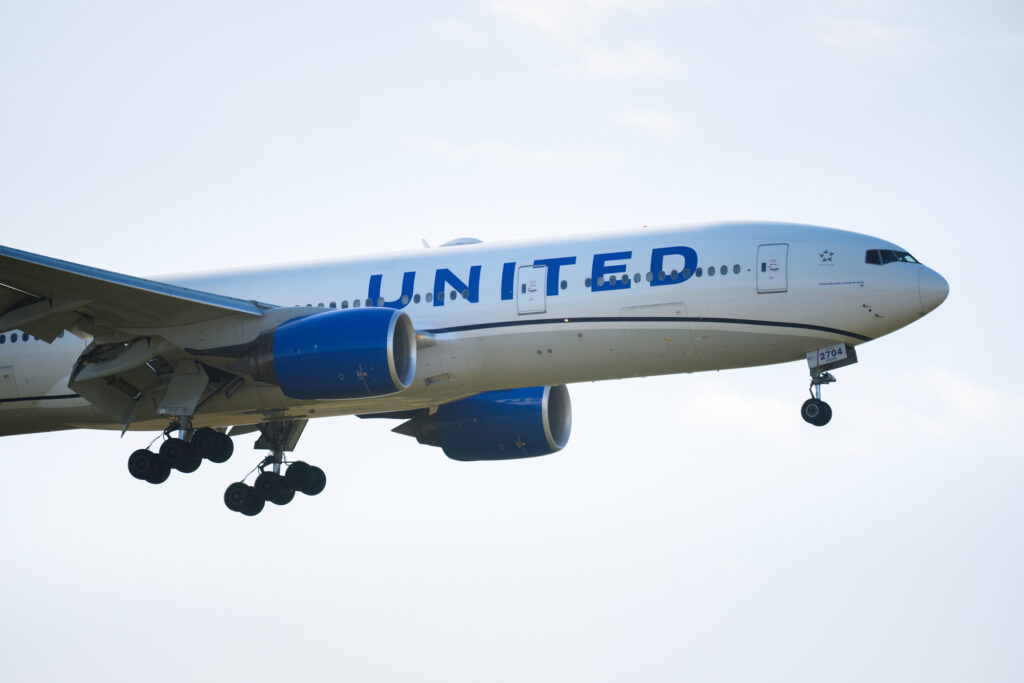
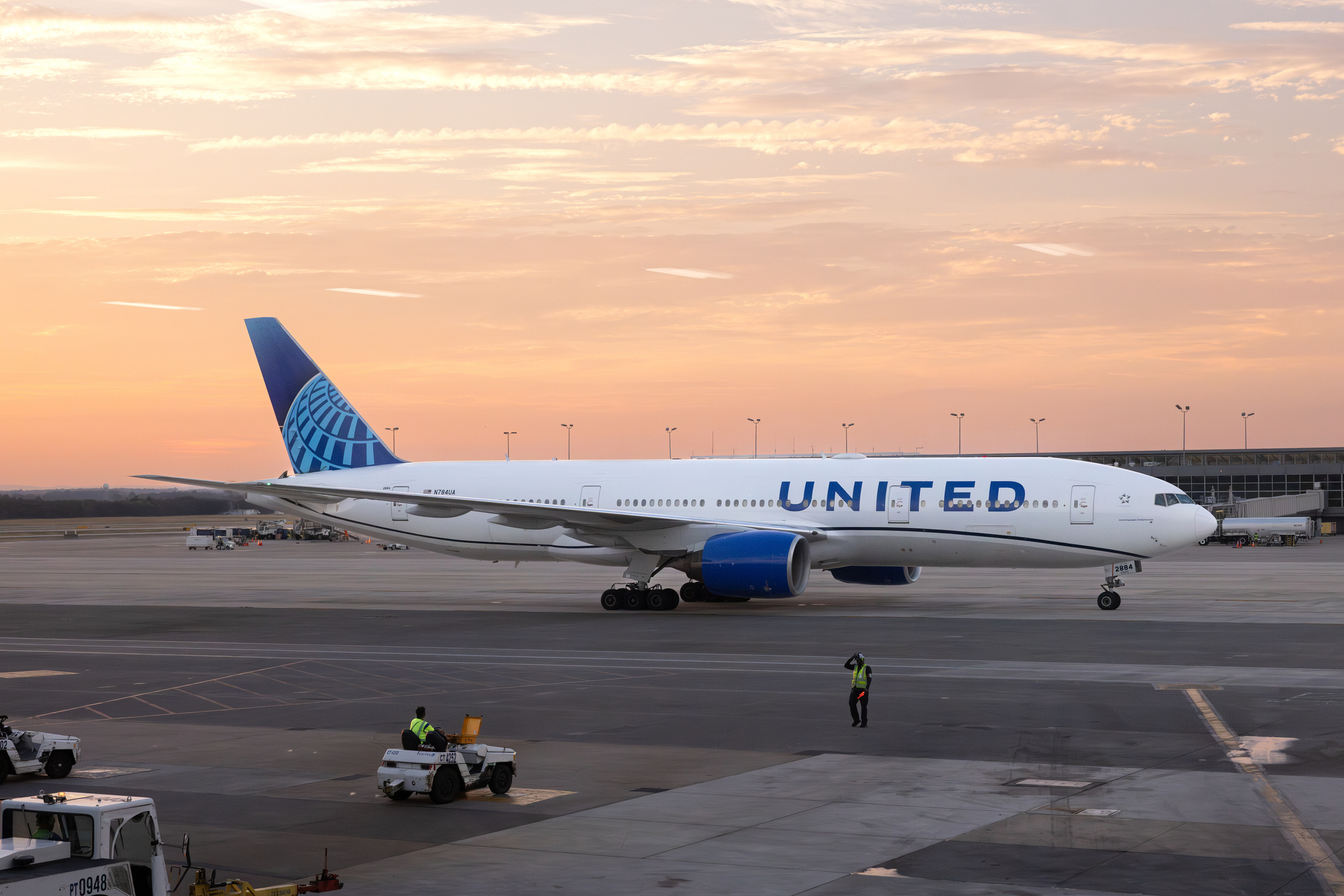
    United Airlines Boeing 777 flying to Auckland International Airport.
    JANICE CHEN / ISTOCK

    The biggest increase is at the top of the program rather than the bottom.

    Premier 1K will require 32,000 PQP in 2027, up from the current PQP-only requirement of 28,000. That’s an increase of more than 14%.

    For someone who previously qualified through 60 flights and 22,000 PQP, the new requirement represents an additional 10,000 PQP.

    These changes apply to qualification activity in 2027, generally toward Premier status for 2028. They don’t change the requirements for members currently working toward status in 2026.

    Annual Starter PQP Will Now Require a United Credit Card

    United is also changing who receives its annual starter PQP deposit.

    For 2026, United gave qualifying Premier members a head start on re-qualification by depositing PQP into their accounts based on their existing status level, regardless of whether they held a United credit card.

    Starting in 2027, that benefit will be limited to members with an eligible United credit card.

    Here’s how the deposits compare:

    Premier Status2026 Starter PQP2027 Starter PQP
    Silver300300
    Gold600600
    Platinum900900
    1K1,4001,600

    To qualify for the 2027 deposit, members must have an eligible United credit card open by December 31, 2026, and hold Premier status as of February 1, 2027. The card must remain open and in good standing when the PQP are deposited.

    For Silver, Gold, and Platinum members, the deposit amounts aren’t changing. Premier 1K members will receive an additional 200 PQP.

    Members without an eligible credit card, on the other hand, will lose the benefit entirely.

    Starter PQP are awarded per member rather than per card, so holding multiple eligible cards won’t increase the deposit. Authorized users also aren’t independently eligible.

    Members with the United Quest or United Club cards will continue receiving their existing annual card bonus PQP in addition to any starter PQP they qualify for.
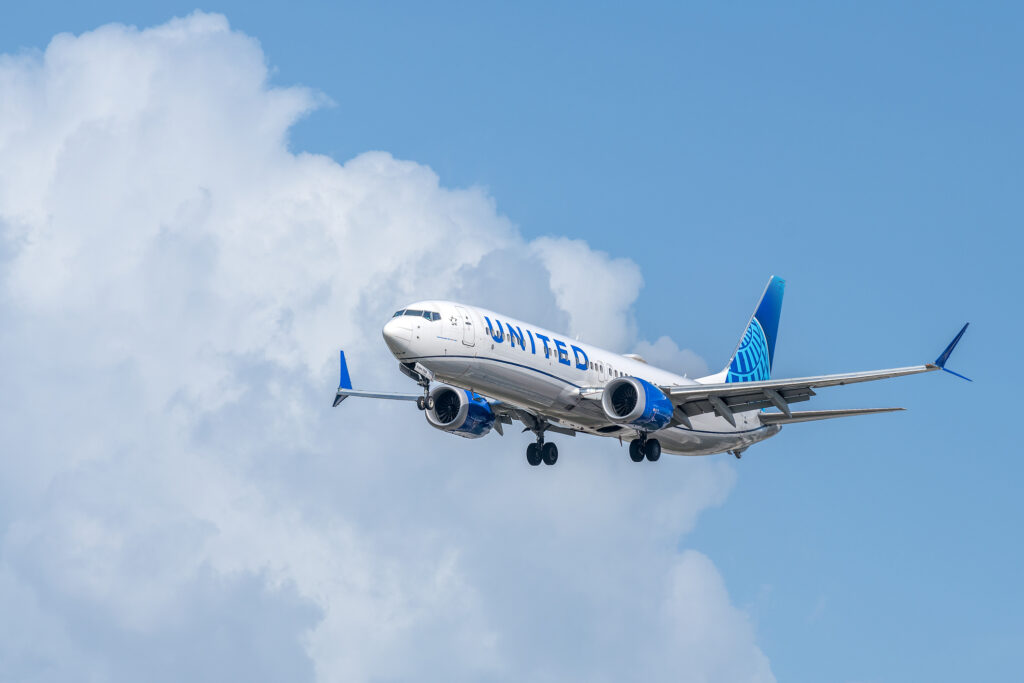
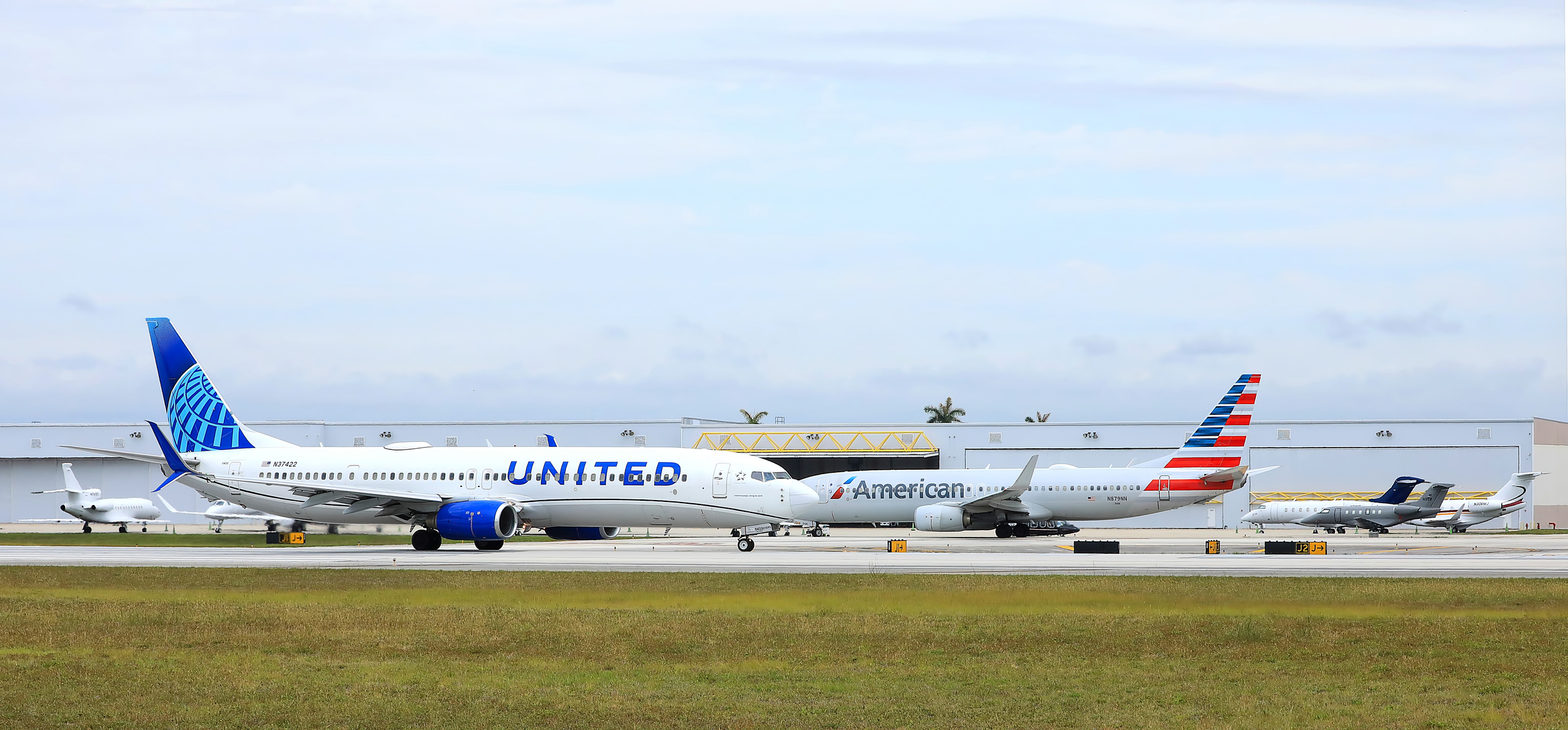
    United Airlines airplane (Boeing 737 MAX 9) landing at Miami International Airport. United Airlines is the third-largest airline in the world after its merger with Continental Airlines.
    CHUYN / ISTOCK

    United Is Increasing Credit Card PQP Limits

    United already allows MileagePlus members to earn PQP through spending on eligible cobranded credit cards.

    Starting in 2027, the United Club Card and United Club Business Card will each allow cardholders to earn up to 32,000 PQP annually, an increase from the current 28,000-PQP cap.

    Here’s how the major United credit cards compare:

    United Credit Card2026 PQP Limit2027 PQP Limit
    United Explorer Card1,0001,000
    United Quest Card18,00018,000
    United Club Card28,00032,000
    United Business Card4,0004,000
    United Club Business Card28,00032,000

    The increased Club Card limits match the new Premier 1K qualification threshold.

    That means cardholders can theoretically earn enough PQP through credit card spending alone to qualify for Premier 1K, provided they also complete the required four United-operated flights.

    Of course, that would require a ton of spending.

    The United Club cards earn 1 PQP for every $15 spent on eligible purchases. At that rate, earning 32,000 PQP entirely through purchases would require $480,000 in credit card spending, before accounting for any applicable PQP deposits.

    Other eligible United cards generally earn 1 PQP for every $20 spent, subject to their respective annual limits.

    For most travelers, credit card spending will supplement PQP earned from flying rather than replace it entirely.

    United Is Also Moving to Dynamic PlusPoints Pricing

    United’s announcement also includes a reminder about an upcoming change to PlusPoints upgrades.

    As previously announced, United will introduce dynamic PlusPoints pricing for travel beginning February 1, 2027.

    Rather than requiring a fixed number of PlusPoints for a particular upgrade, the cost will vary based on demand and available seats.

    That means the number of PlusPoints needed to upgrade could differ depending on the flight.

    All in all, though, travelers working toward Premier status in 2026 can continue under the existing qualification rules. But anyone planning to re-qualify next year will have a different set of requirements to consider.


  • Hilton Sees a Bigger Role for Elite Status as Travelers Place More Value on It

    Hilton Sees a Bigger Role for Elite Status as Travelers Place More Value on It

    For years, hotel elite status was largely the domain of frequent travelers. Spend enough nights at a hotel chain, and you could earn perks like room upgrades, late checkout, and complimentary breakfast.

    That’s still one way to earn status, but it’s far from the only (and easiest) one.

    Credit cards and other qualification pathways have made elite status accessible to travelers who might spend only a handful of nights in hotels each year.

    And according to Hilton, status is becoming increasingly important to travelers, even beyond the benefits it provides.

    In its newly released 2027 Trends Report, Hilton found that 64% of travelers with loyalty status take pride in it, while 43% view it a sign of personal success. Half of respondents also said they’re more likely to trust travel recommendations from someone with loyalty status than someone without it.

    On top of that, 38% said they would take a trip specifically to earn or maintain their status.

    Those findings surface an interesting (and perhaps obvious) question for hotel companies: As more travelers gain access to elite status, how do you make sure it continues to mean something?

    Points Insider put that question to Hilton, along with several others about how the company is approaching its increasingly diverse loyalty membership.

    Hilton Wants Status to Appeal to More Travelers

    Hilton doesn’t see a conflict between making elite status more accessible and preserving its value.

    “We don’t see accessibility and exclusivity as opposing forces,” Brad Anderson, Vice President, Hilton Honors Program, told Points Insider. “Our goal is to make Hilton Honors rewarding for more travelers while ensuring that we continue to deliver meaningful, differentiated value at every status tier level.”

    Someone who stays at a Hilton property a few times a year has different expectations from a business traveler who spends 80 or more nights (and several thousand dollars) annually in hotels. But Hilton wants both customers to find reasons to participate in its loyalty program.

    And the company isn’t shy about the role status plays in encouraging repeat business.

    Exterior of the Hilton Rio de Janeiro Copacabana.
    Hilton Rio de Janeiro Copacabana. HILTON

    “Our goal for all tiers is both recognition and continued engagement,” Anderson said in response to a question about the role of lower and mid-tier status.

    That means offering benefits travelers can appreciate at different levels, while giving them reasons to continue choosing Hilton.

    Basic Hilton Honors membership comes with benefits like discounted member rates and access to Points & Money bookings. Silver adds perks such as Fifth Night Free on reward stays, while Gold introduces benefits like space-available room upgrades and a daily food and beverage credit at eligible U.S. properties. Diamond takes those benefits another step further.

    Hilton describes Gold as the point where the value of status really takes off. And there’s a good case for that. The food and beverage credit, for example, puts a tangible dollar value on a benefit that members can use during their stays.

    Of course, Gold status is also available through certain Hilton co-branded credit cards, as well as some non-Hilton American Express cards. Travelers don’t necessarily have to spend dozens of nights in hotels to receive its benefits.

    In fact, someone could earn Gold without a single hotel stay, simply by holding an eligible credit card with an annual fee as low as $150. Diamond is available on a card with a $550 annual-fee card, while Silver is a perk of another with no annual fee.

    For Hilton, those different paths allow the program to serve travelers with very different habits and spending levels.

    Making Room for More Exclusive Benefits

    At the other end of the spectrum, Hilton is also creating greater differentiation for its most frequent and highest-spending customers.

    The clearest example is Diamond Reserve. This is the company’s newest and most exclusive Hilton Honors tier. It sits two levels above Gold and one above Diamond.

    Unlike status levels that can be obtained through certain credit cards, Diamond Reserve requires 80 nights or 40 stays, plus $18,000 in annual eligible spending.

    Benefits include a 120% points bonus, guaranteed 4 p.m. late checkout, dedicated 24/7 support, and a Confirmable Upgrade Reward that can be used to secure an upgrade of up to a one-bedroom suite at booking.

    Hilton specifically pointed to Diamond Reserve when Points Insider asked how the company intends to preserve the meaning and value of elite status as access expands.

    It’s one way Hilton can recognize its most frequent and highest-spending guests while keeping other status tiers accessible to a wider range of travelers.

    Hilton Panama pool.
    Hilton Panama. HILTON

    But Can Hilton Deliver on Those Benefits?

    There’s a practical challenge to making elite status more widely available.

    Some benefits, such as bonus points, are relatively straightforward to provide. Others, particularly room upgrades, depend on availability. When multiple elite members are staying at the same hotel, not everyone can receive an upgraded room.

    In its 2027 Trends Report, Hilton says it delivered more than 1 million automated upgrades to Honors members during the first half of 2026.

    That’s a big number, but it doesn’t tell us how often eligible members actually receive an upgrade.

    Points Insider asked Hilton for additional context, including how many eligible stays or members were considered for those upgrades. The company didn’t provide those details.

    Instead, Hilton pointed to changes intended to make upgrades more transparent and predictable.

    Its Upgrade at Digital Check-In feature allows Gold, Diamond, and Diamond Reserve members to see complimentary and paid upgrade options in the Hilton Honors app before arriving at the hotel. Diamond Reserve members also receive a Confirmable Upgrade Reward.

    “Ultimately, our goal is to make elite recognition more personal, more guaranteed and more attainable for every member who earns it,” Anderson said.

    The distinction between guaranteed benefits and those subject to availability remains important, particularly as more travelers gain access to elite status.

    A Broader Definition of Loyalty

    One question Hilton declined to answer was how its elite membership breaks down between travelers who earn status through hotel stays and those who receive or accelerate it through credit cards.

    The company confirmed that it tracks a range of membership metrics but doesn’t disclose the share of elite members qualifying through different pathways.

    Without those figures, it’s difficult to determine how much the composition of Hilton’s elite membership has changed as status has become more accessible.

    Hilton’s research indicates that elite status can influence not only how travelers feel about themselves but also where they spend their money and whose recommendations they trust.

    And as Anderson’s responses suggest, Hilton sees status as more than a reward for its most frequent guests. It’s also a way to encourage occasional travelers to engage with the brand, while giving more frequent customers additional reasons to stay on the hamster wheel.

    The question is whether Hilton can continue delivering benefits that members value as more travelers gain access to them.

  • 5 Airlines That Give You Elite Status Credit When Flying With Points and Miles

    5 Airlines That Give You Elite Status Credit When Flying With Points and Miles

    One lesser-known benefit of redeeming points and miles for flights is that, with some airlines, those trips can still count toward earning elite status.

    Yes, it’s possible to fly using your miles and earn credit toward qualifying for elite status at the same time.

    Not every airline offers this benefit, but it’s worth knowing about if you’re working toward a new status tier or trying to maintain the one you already have.

    Here’s a look at five airline loyalty programs that offer elite status credit on eligible flights booked with points and miles.

    Alaska Airlines Atmos Rewards

    Atmos Rewards is particularly generous when it comes to earning elite status credit on flights booked with points.

    Through the end of 2026, members earn 1 status point for every mile flown on eligible flights booked with Atmos Rewards points. That includes flights operated by Alaska Airlines, Hawaiian Airlines, and eligible partner airlines.

    For example, a 2,500-mile flight booked with points could earn 2,500 status points, regardless of how many points you redeemed for the ticket.

    But things are changing in 2027.

    Starting January 1, Atmos Rewards members will be able to choose how they earn points and status points. And that choice will also determine how much status credit they earn on flights booked with points.

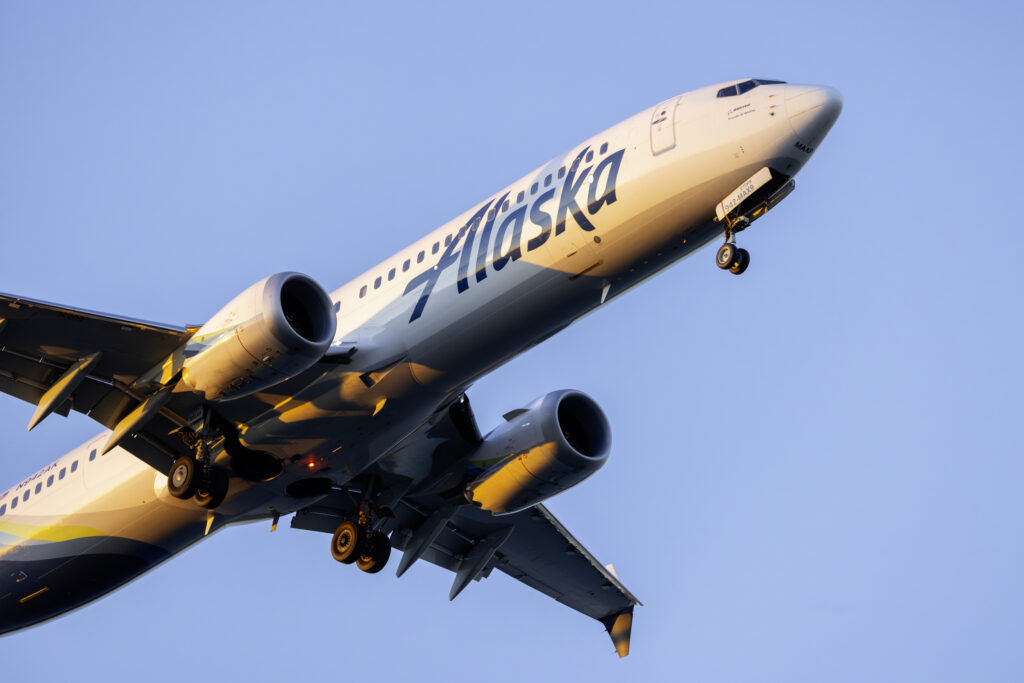
    Portland, Oregon, USA - February 27, 2025: An Alaska Airlines 737 landing at PDX at sunset.
    DAVE ALAN / ISTOCK

    There will be three options:

    • Distance traveled: 1 status point per mile flown
    • Price paid: 1 status point per 20 points redeemed
    • Segments flown: 500 status points per flight segment

    For example, a 2,500-mile nonstop flight booked for 20,000 Atmos Rewards points would earn 2,500 status points under the distance-based option, 1,000 under the price-based option, or 500 under the segment-based option.

    Of course, the math can change depending on the routes you fly and how many points you’re redeeming. One earning method could be considerably more rewarding than another.

    One important distinction is that flights booked with points earn status points only, not additional redeemable Atmos Rewards points.

    Delta SkyMiles

    Delta lets SkyMiles members earn Medallion Qualification Dollars (MQDs) on eligible flights booked with miles.

    The earning rate is pretty simple: members earn 1 MQD for every 100 SkyMiles redeemed.

    So, a Delta flight costing 40,000 SkyMiles would earn 400 MQDs toward Medallion status. And this benefit also extends to eligible upgrades purchased with miles.

    However, Delta’s Main Basic fares are excluded from earning MQDs through mileage redemptions.

    United MileagePlus

    United MileagePlus members can earn both Premier Qualifying Points (PQP) and Premier Qualifying Flights (PQF) when redeeming miles for eligible United and United Express flights.

    Members earn 1 PQP for every 100 MileagePlus miles redeemed, along with one PQF for each eligible United or United Express flight.

    For example, a nonstop United flight costing 30,000 miles would earn 300 PQP and one PQF toward Premier status.

    Eligible seat upgrades purchased with miles can also earn PQP.

    The benefit also applies to United-operated segments on itineraries that include partner airlines. However, flights operated by those partners won’t earn PQP or PQF from the mileage redemption.

    Another useful detail is that PQP goes to the person flying, not necessarily the person who redeemed the miles.

    So, if you use your MileagePlus miles to book a flight for someone else, that traveler receives the qualifying credit.

    United also allows members to use PQP earned from flights booked with miles toward additional PlusPoints, not just Premier status.

    United Airlines Boeing 777 flying to  Auckland International Airport.
    JANICE CHEN / ISTOCK

    Virgin Atlantic Flying Club

    Virgin Atlantic Flying Club members can earn Tier Points on eligible flights booked with Virgin Points.

    Unlike Delta and United, which calculate status earnings based on the number of miles redeemed, Virgin Atlantic awards a fixed number of Tier Points depending on the cabin.

    Members earn the following amounts on eligible flights booked with points.

    • Economy: 25 Tier Points
    • Premium: 50 Tier Points
    • Upper Class: 100 Tier Points

    That means two passengers redeeming different amounts of points for the same flight and cabin could earn the same number of Tier Points.

    The benefit applies to eligible Virgin Atlantic-operated flights, not partner airline redemptions.

    Qantas Frequent Flyer

    Qantas offers a similar benefit, although there’s an additional requirement.

    Members with Points Club or Points Club Plus can earn Status Credits when redeeming Qantas Points for eligible Classic Flight Rewards and Classic Plus Flight Rewards.

    The number of Status Credits depends on the route and cabin. For example, an eligible business-class flight between Australia and the U.S. West Coast earns 72 Status Credits.

    However, Qantas is retiring Points Club on December 8, 2026. Existing eligible members will retain their benefits through the end of their next membership year, so this benefit won’t disappear immediately for everyone.

    What About Other Airlines?

    The majority of major airline loyalty programs don’t offer elite status credit for flights booked with points and miles.

    American Airlines AAdvantage, Air Canada Aeroplan, and Southwest Rapid Rewards are among the programs that exclude these flights from their standard flight-based elite qualification requirements.

    It’s also worth distinguishing between earning elite status credit and earning additional redeemable miles. Even when a flight booked with points counts toward status, it generally won’t earn more miles for future travel.

    If you’re working toward elite status, it’s worth checking whether flights booked with points count toward qualification. Depending on the airline, you could use points for your next trip without giving up progress toward your next status tier.

  • United and American Are Using Starlink to Try to Win Over Delta Elites

    United and American Are Using Starlink to Try to Win Over Delta Elites

    Airline status matches aren’t anything new. But using better onboard Wi-Fi as the reason to uproot and switch loyalty programs is.

    United Airlines launched a limited-time status match aimed specifically at Delta and American elites, and there’s really no ambiguity about how it’s pushing the offer.

    On the landing page, big, bold font reads, “Don’t keep buffering: switch to United and get the fastest Wi-Fi in the sky.”

    But United isn’t the only airline making a play for Delta elites right now.

    American is also promoting a status match that includes Delta members, along with elites from United, JetBlue, and Southwest. And while American doesn’t have Starlink onboard yet, nor does its status match really emphasize Starlink at all, it’s taking the moment to try to woo travelers anyway.

    The timing isn’t the least bit random.

    Delta is taking a different approach to its next generation of onboard Wi-Fi. The airline selected Amazon Leo, which won’t begin rolling out until 2028. That decision generated plenty of chatter on social media this week, and United and American are now trying to capitalize on the moment.

    More on This: Airline Status Matches Can Turn One Elite Status Into Another

    United Is Making Wi-Fi the Reason to Switch

    United isn’t disguising this as a routine status match.

    The offer is built around Starlink, which United is already rolling out across its fleet. Eligible Delta and American elites have through October 15 to apply and submit proof of their existing status.

    If approved, the corresponding United Premier status kicks in for 90 days.

    Keeping it through January 31, 2028, comes down to how much is spent on United or United Express flights during that period:

    • Premier Silver requires $1,500
    • Premier Gold requires $3,000
    • Premier Platinum requires $4,500
    • Premier 1K requires $7,000

    The status match itself isn’t particularly unusual. Airlines have used them for years to give another carrier’s best customers a relatively painless way to switch allegiances.

    And with this offer, United is betting that its onboard experience, and faster Wi-Fi specifically, might be enough to get some Delta and American elites to give it a try.

    American Wants Delta Elites, Too

    American’s pitch isn’t nearly as pointed.

    Its current status-match offer is open to eligible elites from Delta, United, JetBlue, and Southwest. Delta members can match all the way from Silver Medallion to AAdvantage Gold, up through Diamond Medallion to Executive Platinum.

    Approved members get four months of matched AAdvantage status through American’s Instant Status Pass. Keeping it requires hitting a Loyalty Point target every four months, with thresholds ranging from 13,000 Loyalty Points for Gold to 67,000 for Executive Platinum.

    There’s no formal deadline to apply.

    Unlike United, though, American isn’t selling its status match on Starlink. It can’t quite do that yet.

    Starlink installations aren’t scheduled to begin until the first quarter of 2027. But once they do, American plans to equip more than 500 Airbus narrowbody aircraft, including its A321neos and new A321XLRs. It’s not yet known if or when the airline plans to extend that coverage to its Boeing 737 and 787 fleets.

    So, for now, United is the only one of the two that can legitimately use Starlink as part of the pitch. But both airlines are courting Delta elites at the same time they’re making Starlink part of their onboard experience.

    Whether Wi-Fi is actually enough to convince someone to change airline loyalty programs is another question. United, at least, seems interested in finding out.

  • Airline Status Matches Can Turn One Elite Status Into Another

    Airline Status Matches Can Turn One Elite Status Into Another

    Airline elite status usually takes time to earn. A status match can provide a shortcut.

    Someone who already has elite status with one airline may be able to use it to get status with another, rather than starting from scratch. That can be useful when switching airlines, moving somewhere served better by a different carrier, or expecting to fly another airline more often.

    How Airline Status Matches Work

    At its simplest, a status match starts with proof of existing elite status. An airline looks at that status and determines whether it qualifies for a corresponding tier in its own loyalty program.

    Many public status matches work as a trial and challenge. An airline grants elite status for a limited period, then sets requirements to keep it longer.

    Those requirements might include a certain amount of flying, spending, or both. Complete them during the specified period and the status gets extended. Otherwise, the temporary status expires.

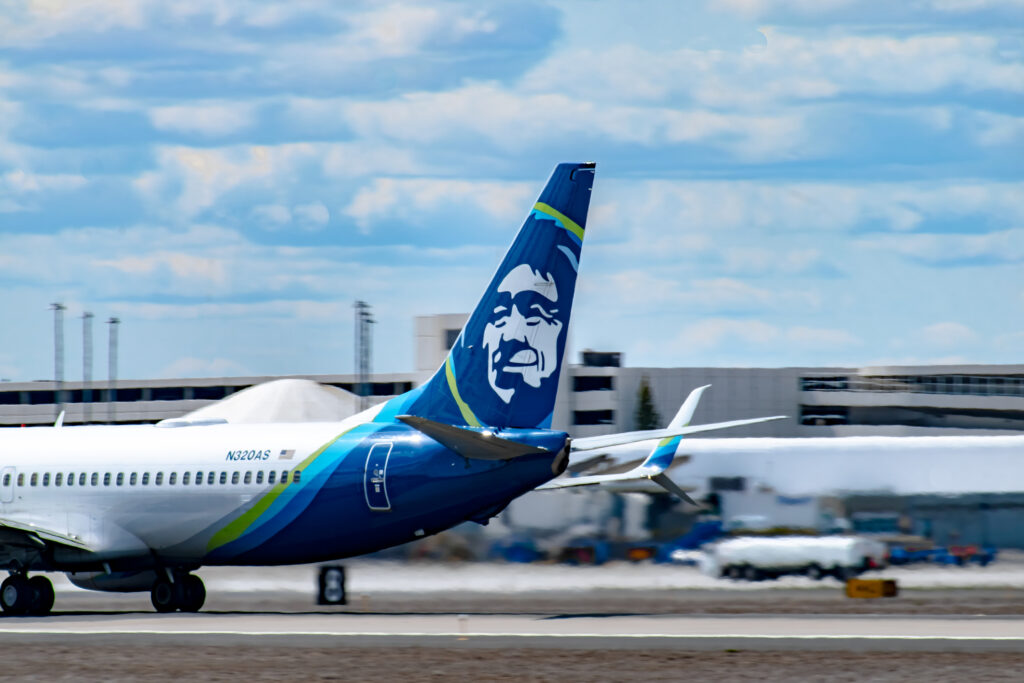
    The view of the tail and logo of an Alaska Airlines Boeing 737-800 aircraft landing at the Spokane International Airport under cloudy skies, smoking the tires upon touchdown.
    JON TETZLAFF / ISTOCK

    Not every opportunity is published, though.

    Some airlines don’t advertise a status match online but may still consider requests from elite members of other airlines. In those cases, contacting the loyalty program directly and asking about a match is the easiest path forward.

    There’s also a paid route. Some airlines work with third-party companies to let eligible members pay for a match, avoiding the flying or spending challenge that often comes with a public offer.

    U.S. Airline Status Matches

    Most of the largest U.S. airlines have a public status match or challenge program. Applications can be made directly with the airline.

    AirlineLearn More and Apply
    American AirlinesAAdvantage status match
    Alaska AirlinesAtmos Rewards status match
    Delta Air LinesMedallion status match
    JetBlueTrueBlue status match
    Southwest AirlinesRapid Rewards status match
    United AirlinesMileagePlus status match

    Opportunities also exist outside the U.S. Some international airlines publish status matches, while others may consider requests even without advertising one.

    Paid Airline Status Matches

    For some airlines, there’s another option.

    StatusMatch works with select loyalty programs to offer paid matches. An eligible member provides proof of existing status, selects the available match, and pays the applicable fee.

    This can eliminate the challenge portion of the process, although each offer has its own eligibility requirements, price, status tiers, and terms.

    Here are some of the paid status matches currently available:

    AirlineAllianceLearn More and Apply
    Philippine AirlinesOneworld (effective late 2027)Mabuhay Miles status match
    Royal JordanianOneworldRoyal Club status match
    Vietnam AirlinesSkyTeamLotusmiles status match
    TAP Air PortugalStar AllianceMiles&Go status match

    PointsYeah may earn a commission when someone uses an eligible paid status-match offer above.

    When a Status Match Makes Sense

    Timing matters more than simply having another elite status.

    If an upcoming stretch of trips will be on a different airline, a status match can provide benefits right away instead of waiting to earn them from scratch. It can also make sense when switching which airline gets most of the business, particularly if the alternative is spending months flying without status.

    But there’s little reason to request a match just because one is available. Before applying, check how long the status will last, what it takes to extend it, and whether there are limits on how often the opportunity can be used.

    A status match is most useful when there’s a plan for the status once it arrives.

  • Delta Is Offering Some Medallion Members MQDs for Buying Gift Cards

    Delta Is Offering Some Medallion Members MQDs for Buying Gift Cards

    Delta has an unusual targeted offer that could help some Medallion members get closer to earning status for another year.

    Through September 18, 2026, eligible SkyMiles members can earn 1 Medallion Qualification Dollar (MQD) for every $4 spent on Delta gift cards. The offer tops out at 500 MQDs after $2,000 in gift card purchases.

    But this isn’t available to everyone. Delta is targeting members based on exactly how many MQDs they’ve earned as of June 30, 2026.

    Who Is Eligible?

    To participate, members have to hold one of the following Medallion status levels and fall within the corresponding MQD range as of June 30, 2026:

    Medallion StatusMQD Balance as of June 30
    Silver Medallion2,442–2,499 MQDs
    Gold Medallion4,800–5,000 MQDs
    Platinum Medallion7,275–7,500 MQDs
    Diamond Medallion13,580–14,000 MQDs

    Members who didn’t fall within one of these ranges as of June 30 aren’t eligible for the promotion.

    There are a few other requirements. Members must be at least 18 years old and have a valid U.S. address associated with their SkyMiles account.

    Anyone who participated or is currently participating in a Delta Status Match, Fast Track, or Reclaim My Status promotion during 2026 is also excluded.

    Earn Up to 500 MQDs

    For those who qualify, every $4 spent on eligible Delta gift cards earns 1 MQD.

    That works out to:

    Gift Card PurchaseMQDs Earned
    $400100 MQDs
    $1,000250 MQDs
    $2,000500 MQDs

    The maximum is 500 MQDs, so there’s no additional status benefit to buying more than $2,000 in gift cards through the promotion.

    The gift cards themselves don’t expire. That could make this interesting for an eligible member who expects to spend money with Delta anyway and could use another 500 MQDs toward status.

    There is a tradeoff, though. Delta gift cards are nonrefundable, so buying one means committing that money to future Delta travel.

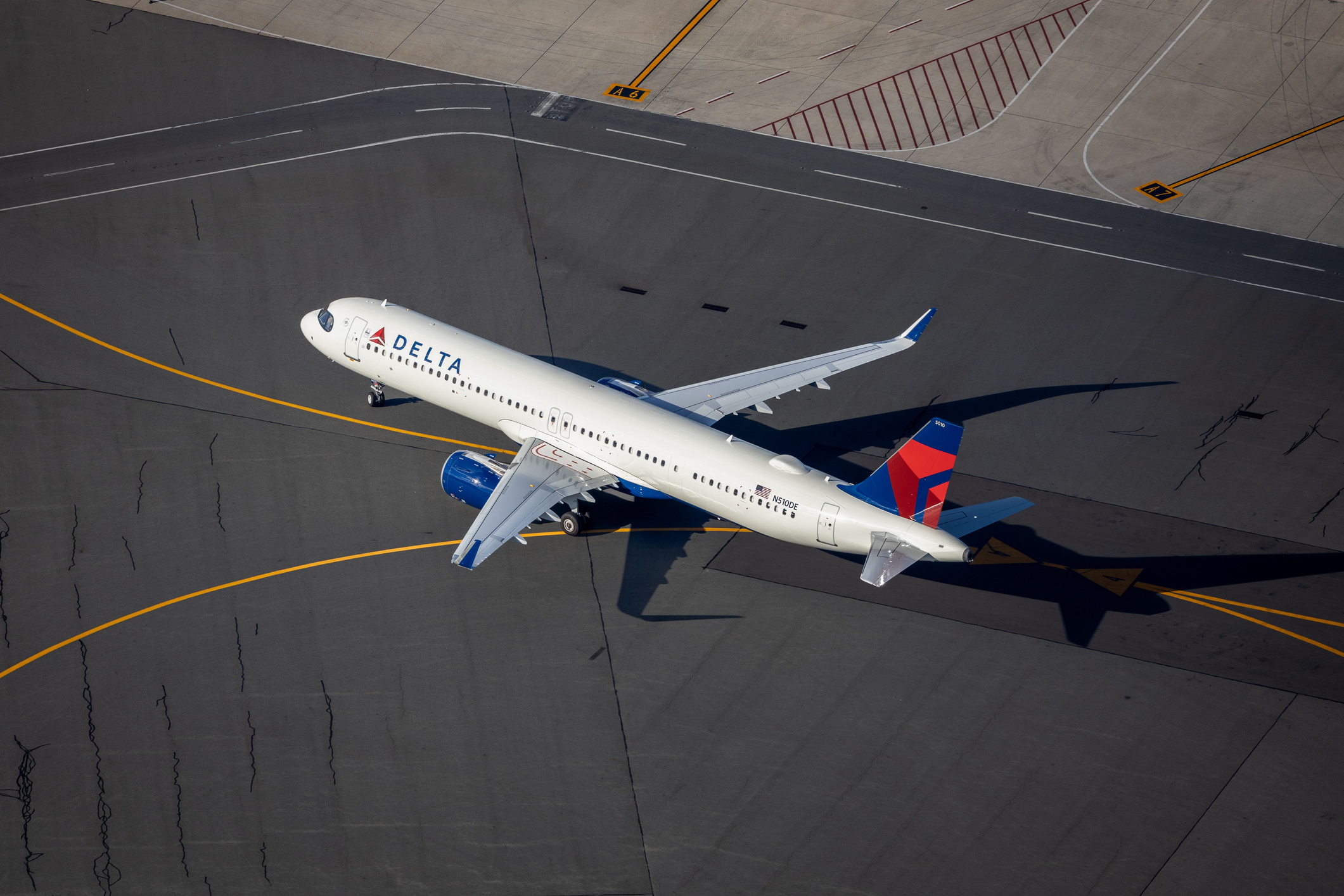
    Delta Airlines airplane departing from the Ronald Reagan Washington National Airport. (DCA)
    JONG KIM / ISTOCK

    How to Get the Offer

    Eligible members need to purchase their gift cards through Delta’s dedicated promotional page by September 18.

    A valid SkyMiles number and matching member name need to be entered at checkout. Delta says the MQDs can take up to six weeks after the promotion ends to appear in an account.

    Gift cards purchased elsewhere don’t qualify.

    The eligibility requirements are unusually specific, so this won’t help most SkyMiles members chasing status. But anyone who landed within one of those narrow MQD ranges on June 30 has until September 18 to pick up as many as 500 additional MQDs from money that can eventually be spent on Delta flights.

  • Frontier Makes Top-Tier Elite Status Easier as It Raises the Bar for Most Others

    Frontier Makes Top-Tier Elite Status Easier as It Raises the Bar for Most Others

    Frontier Airlines is adding more benefits for its elite members next year. And some of them sound a lot more like what you’d expect from a full-service airline.

    Beginning in 2027, every level of Frontier Miles elite status will come with a chance at a complimentary upgrade to UpFront Plus or the airline’s forthcoming First Class seats. That includes Silver, Frontier’s entry-level elite tier.

    Frontier is also reshuffling how members qualify for status. Diamond is getting 25% easier to earn, while the requirements for Silver and Gold are going up.

    The changes come as Frontier continues to stretch beyond its ultra-low-cost roots. First Class, upgrades, a more comprehensive loyalty program, and Starlink Wi-Fi are all things that would have sounded almost unthinkable just a few years ago for an airline known for selling fares for less than $20.

    First Class Upgrades Are Coming to Every Elite Tier

    Frontier plans to introduce First Class later this year. It’s in the process of installing two-by-two seating at the front of its aircraft.

    Starting in 2027, every Frontier Miles elite tier will have a chance to upgrade into First Class or UpFront Plus (a handful of rows where the middle seat is kept empty). The benefit will be available to elite members who purchase an Economy or Premium bundle.

    How early that chance comes depends on status. Silver members become eligible for upgrades four hours before departure, followed by Gold at eight hours, Platinum at 18 hours, and Diamond at 24 hours.

    There are other improvements coming for elites, too. Platinum members will receive a free checked bag for everyone on their reservation. Diamond members will get two.

    Frontier is also introducing Milestone Rewards in 2027, although it hasn’t revealed what those rewards will include yet.

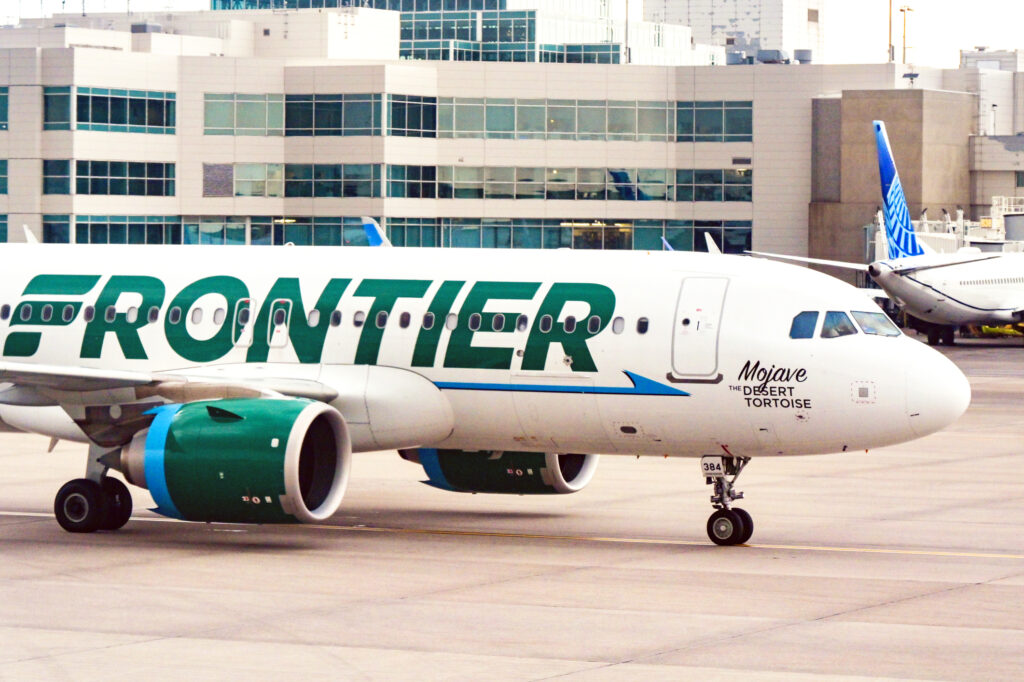
    Denver, Colorado, USA - 5 June 2025: Airbus A320 (registration N384FR) operated by Frontier Airlines taxiing to the terminal after landing at Denver
    CERI BREEZE / ISTOCK

    Frontier Is Reshuffling How You Earn Elite Status

    Frontier isn’t making every level of status easier to earn.

    Starting September 1, the requirement for Diamond will drop from 100,000 Elite Status Points to 75,000. Anyone who reaches 75,000 points in 2026 will earn Diamond status for 2027.

    But starting January 1, the requirement for Silver will increase from 10,000 to 15,000 points, while Gold will move from 20,000 to 25,000. Platinum will stay at 50,000 points.

    Frontier is also adjusting how members earn miles and Elite Status Points on tickets purchased beginning September 1. Travelers buying Economy, Premium, or Business bundles will earn at higher rates, and Frontier cardmembers can earn even more.

    The end result is a loyalty program that’s raising the bar at the bottom while making its top status easier to reach and more rewarding to hold.

    That’s an interesting direction for an airline built around low fares and charging separately for much of everything else. The irony is that the more you spend with Frontier, the fewer of those extras you’ll have to pay for.